- Categories
- Categories
Last 5 Viewed
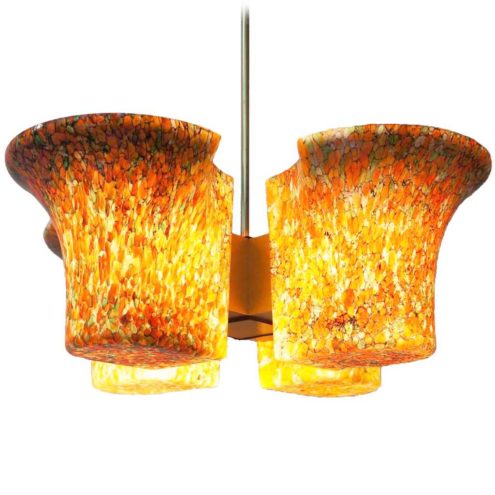
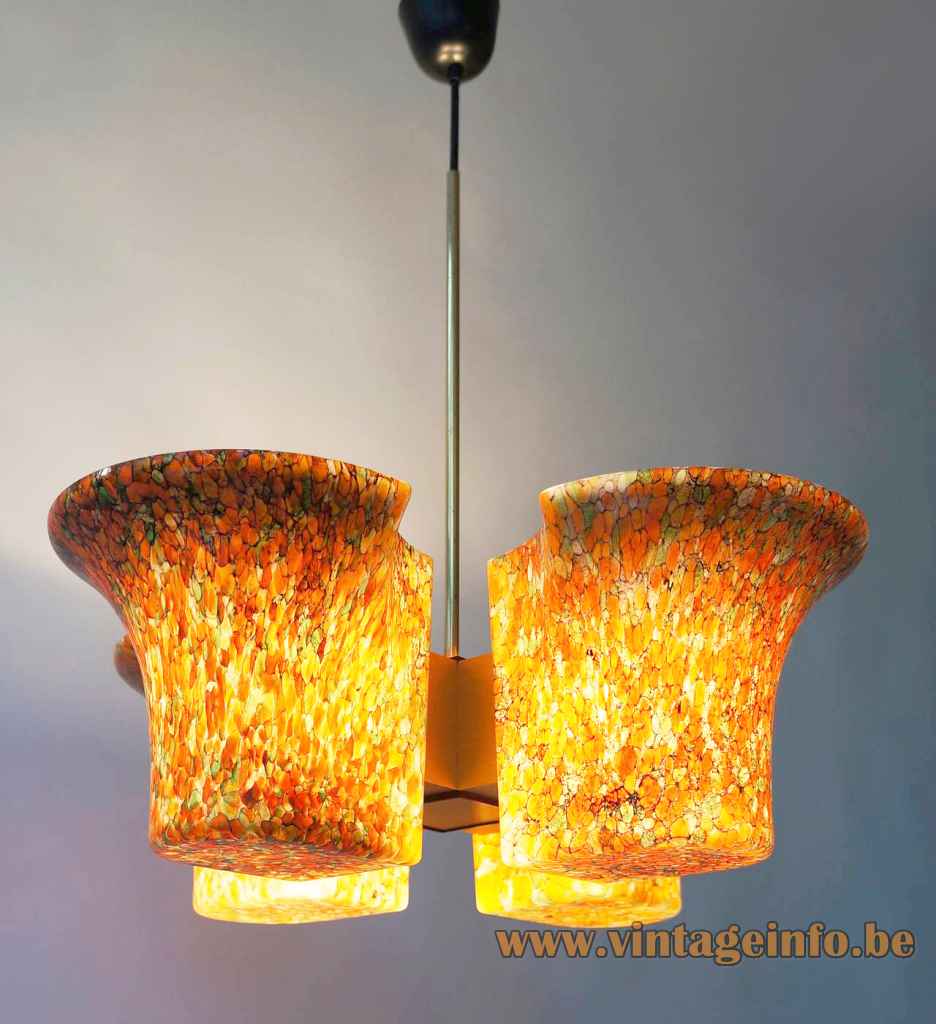
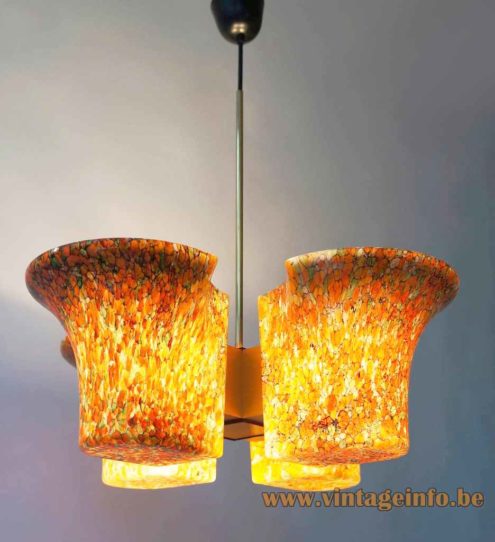
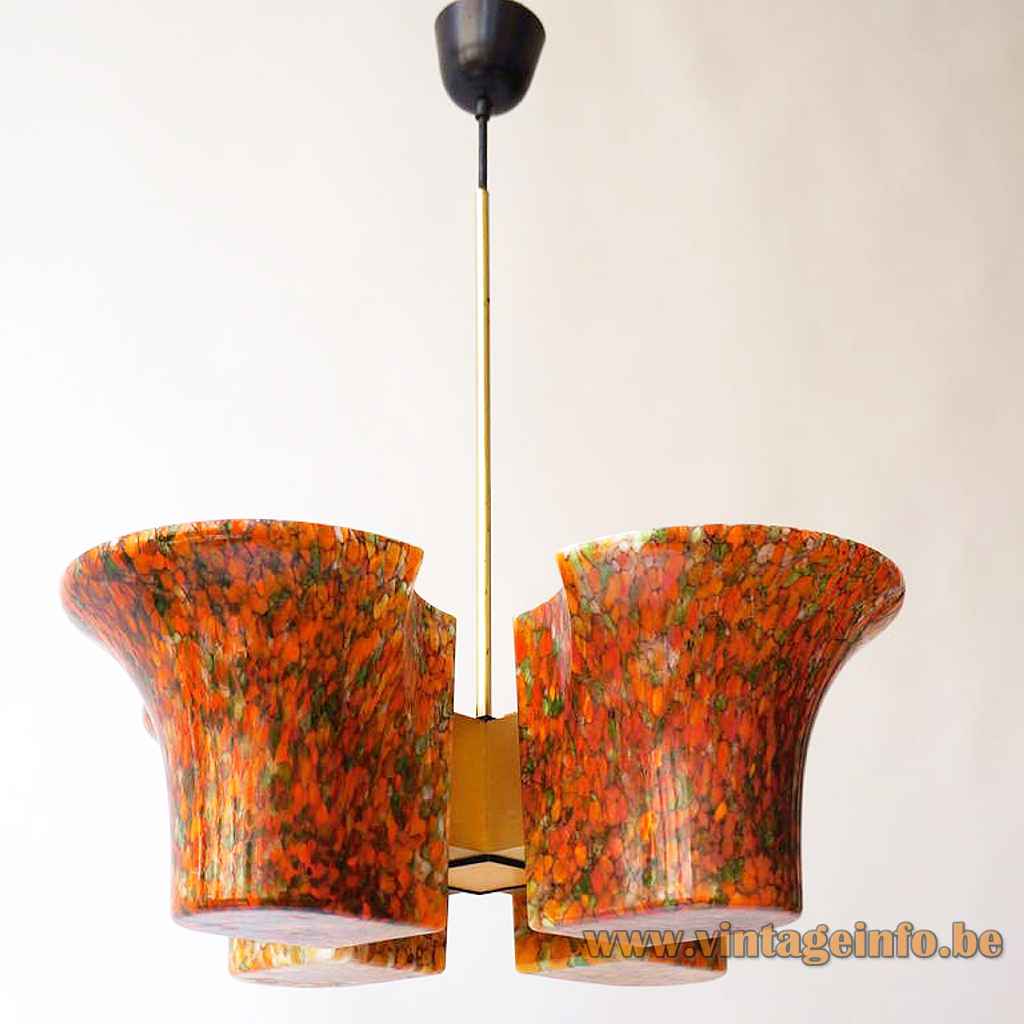
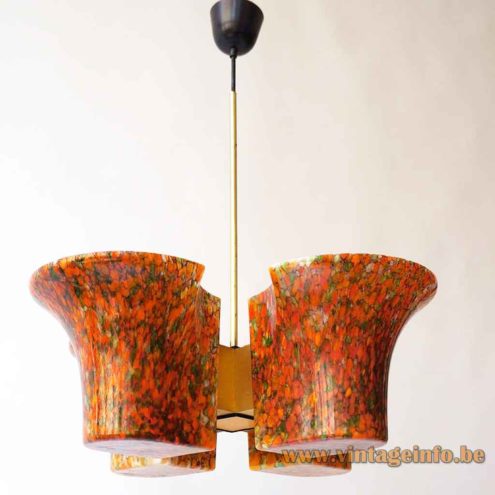
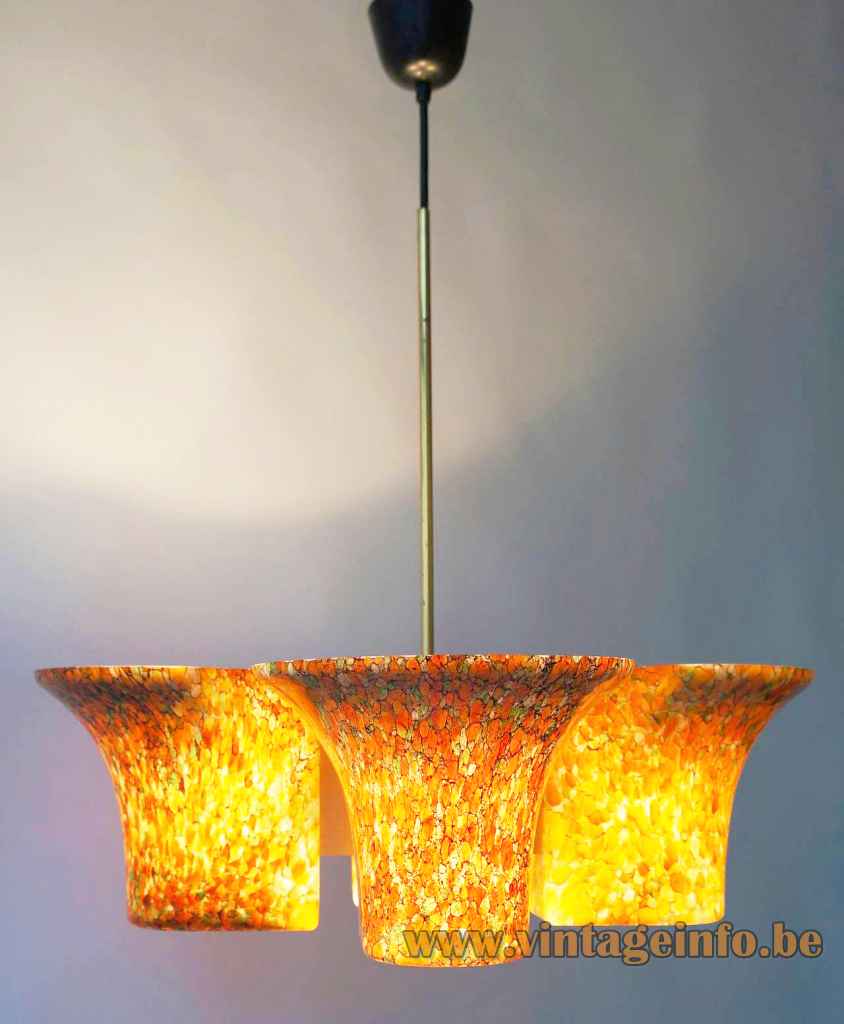
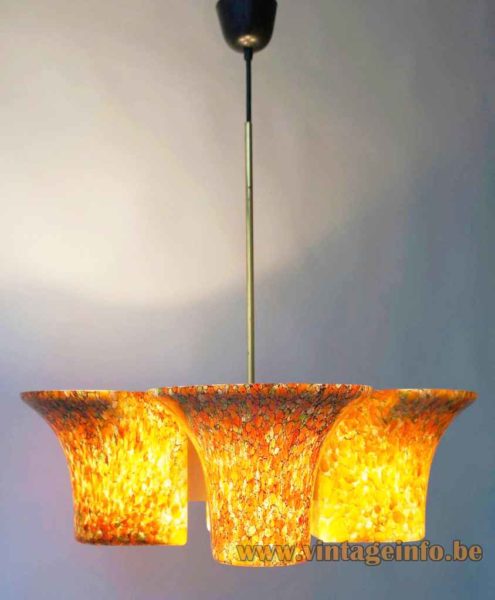
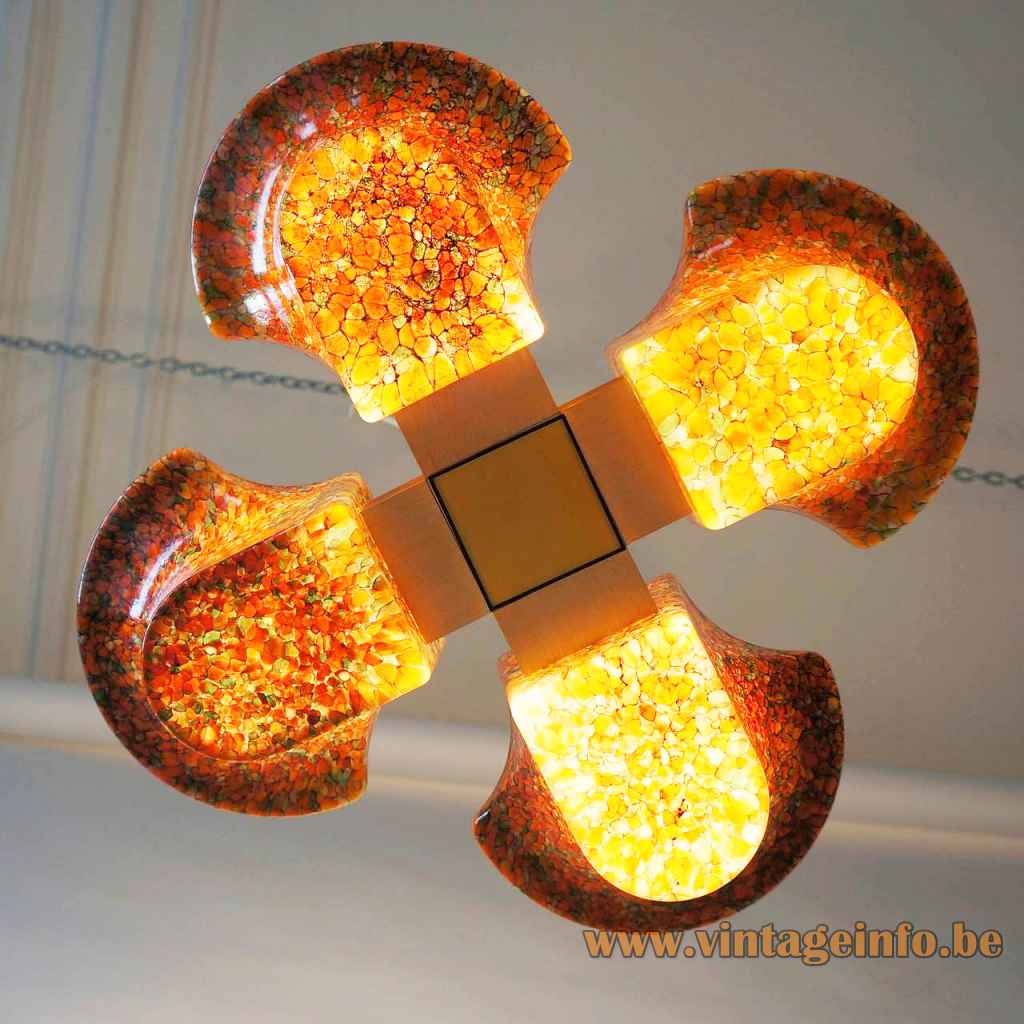
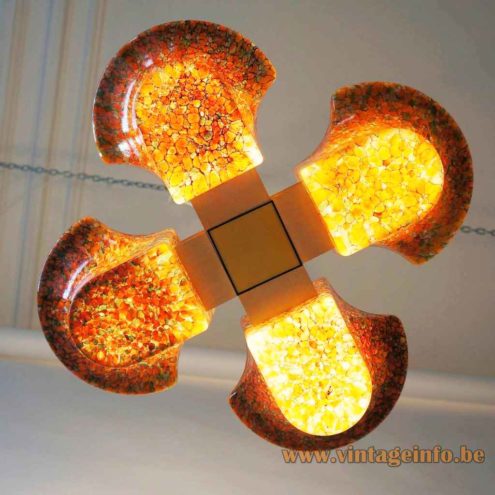
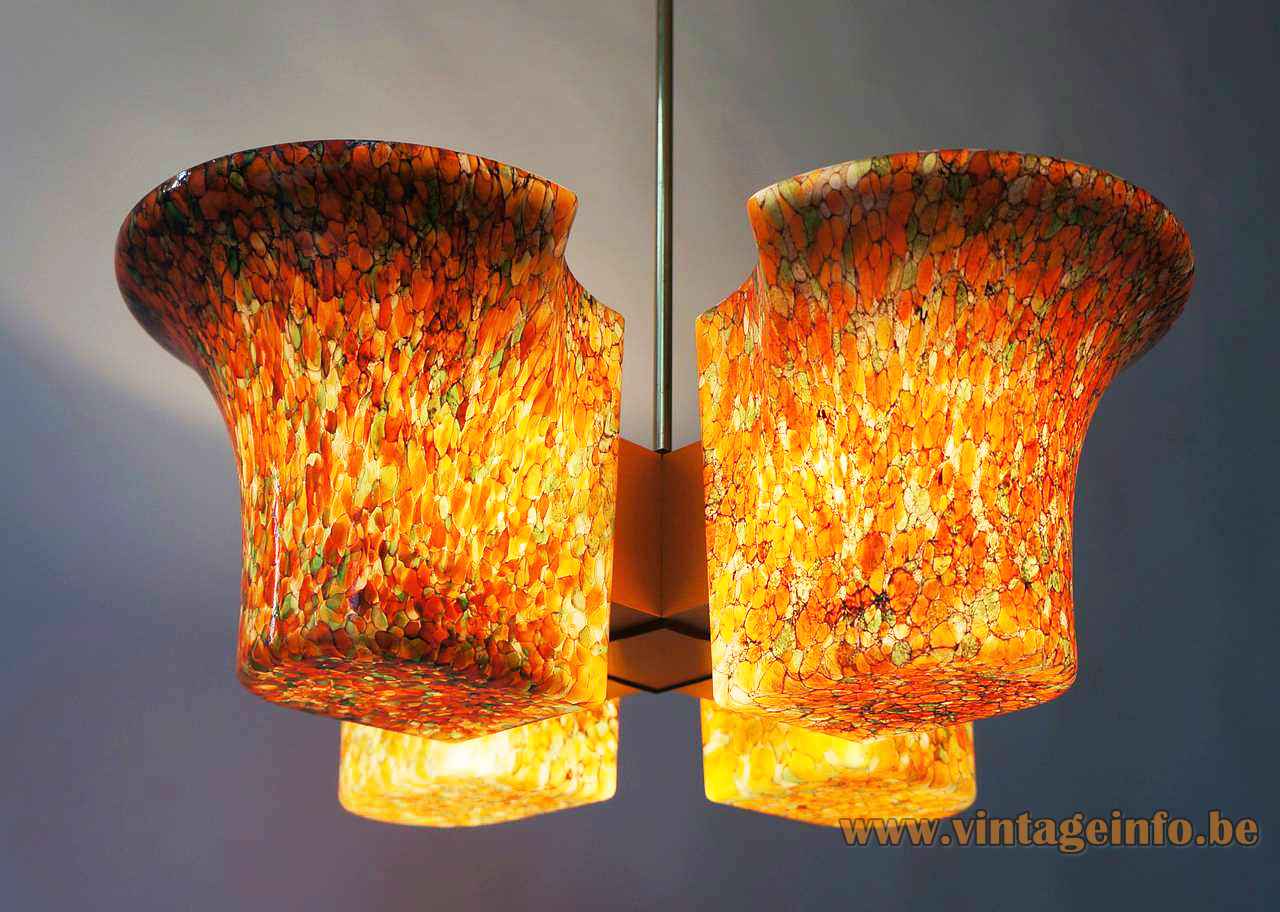
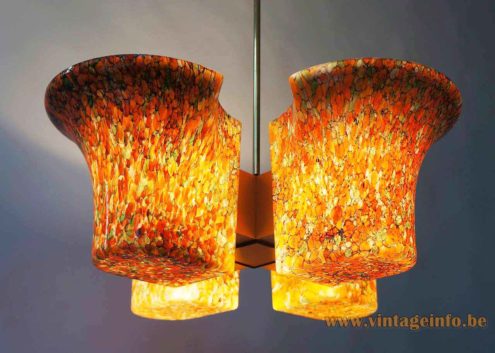
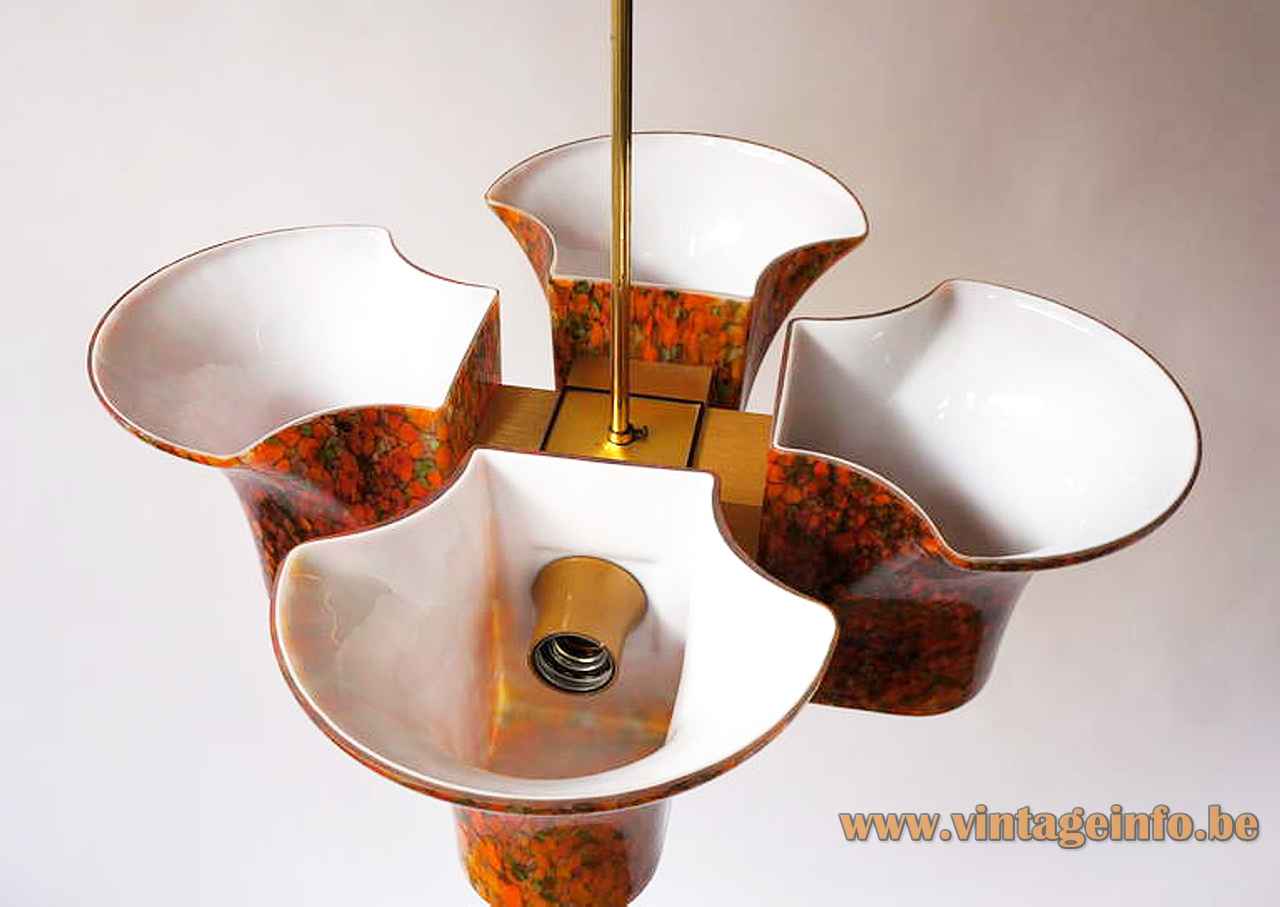
Peill+Putzler Fuga Chandelier
1978 – 1979 Catalogue Picture
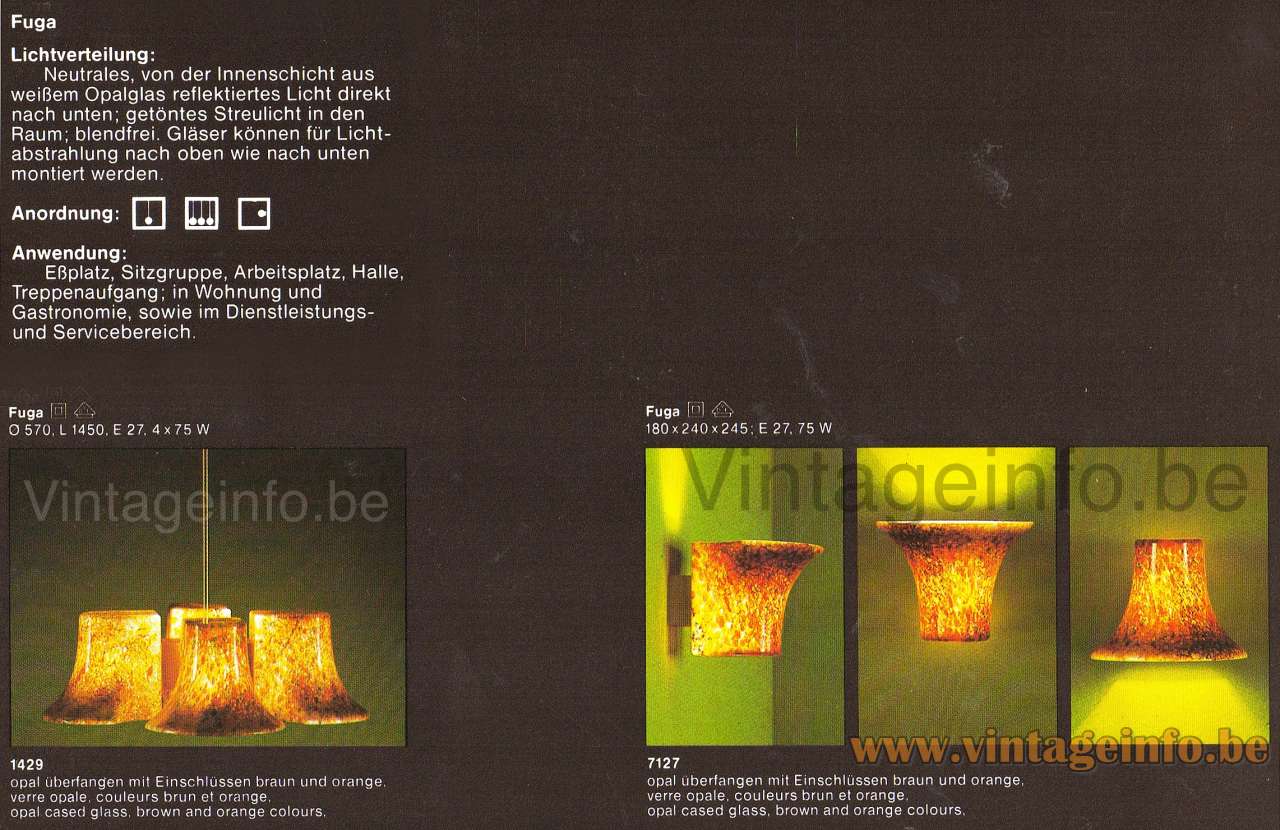
Chandelier model 1429 & wall lamp 7127.
Translated text:
Fuga
Light distribution:
Neutral light, reflected downward directly from the inner layer of white opal glass; tinted scattered light into the room. Glare-free. The glass shades can be mounted for light emission upwards as well as downwards.
Application:
Dining area, seating group, workplace, hall, staircase; in residential and gastronomy settings, as well as in the services and customer-service sector.
Peill+Putzler Fuga Chandelier
1979 Catalogue Picture
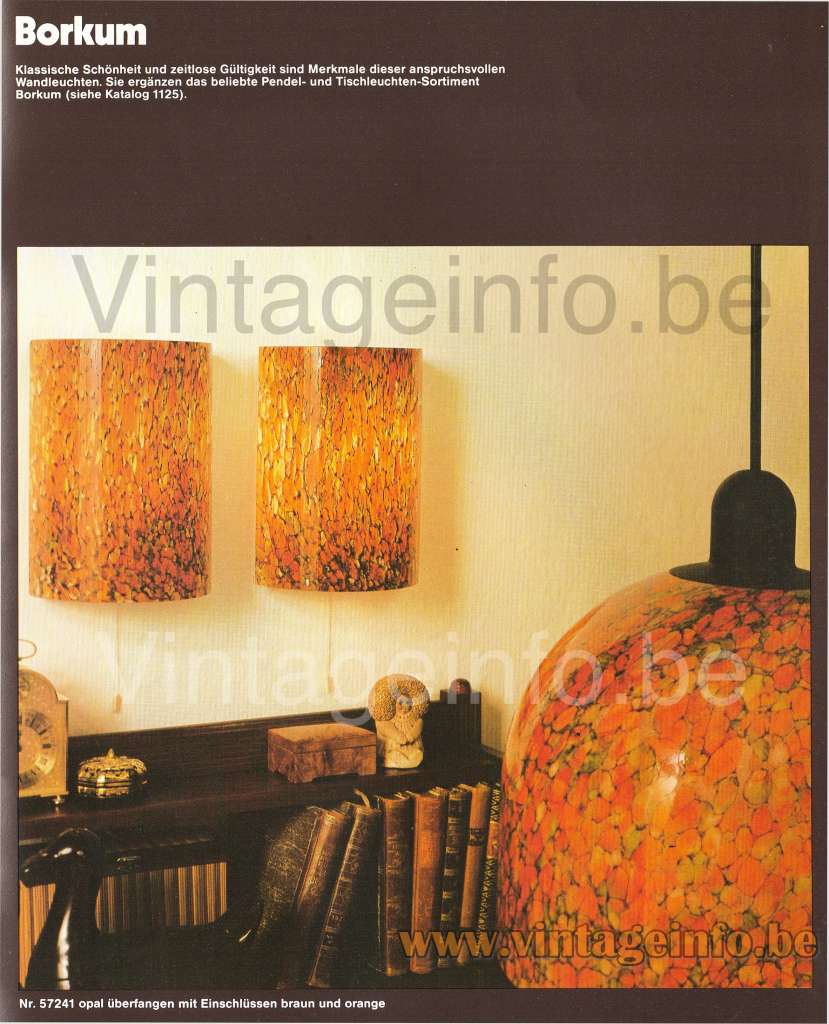
Borkum version wall lamp 57221 & pendant lamp model 57241.
Translated text:
Borkum
Classical beauty and timeless validity are the hallmarks of these sophisticated wall luminaires. They complement the popular Borkum range of pendant and table luminaires
Peill+Putzler Fuga Chandelier
1979 Catalogue Picture
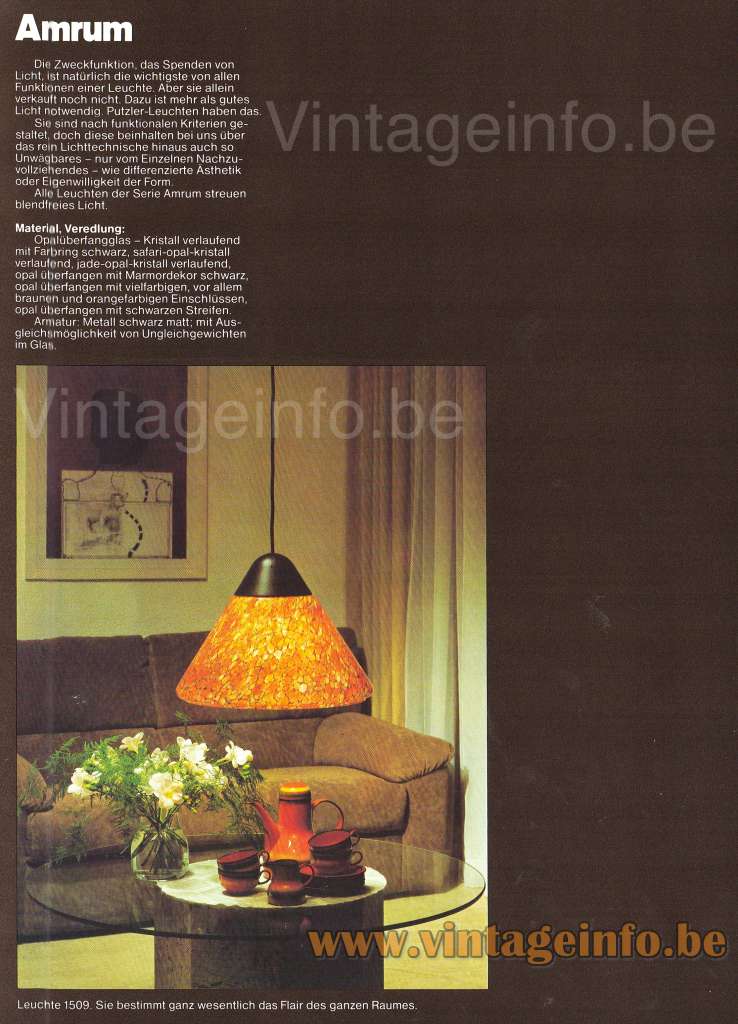
Amrum pendant lamp model 1509.
Translated text:
Amrum
The primary function – providing light – is of course the most important of all the functions of a luminaire. But on its own it does not sell yet. More than good light is required for that. Putzler luminaires have this.
They are designed according to functional criteria, but with us these include, beyond the purely lighting-technical aspect, also such imponderables – comprehensible only to the individual – as a differentiated aesthetic or a certain individuality of form.
All luminaires of the Amrum series diffuse glare-free light.
Material, finish:
Opal casing glass – crystal shading with black colour ring, safari-opal-crystal shading, jade-opal-crystal shading, opal cased with black marble décor, opal cased with multicoloured, chiefly brown and orange inclusions, opal cased with black stripes.
Fitting: metal, matt black; with possibility of compensation for unevennesses/imbalances in the glass.
Links (external links open in a new window)
Vintageinfo
Many thanks to Frank from Flowermountain for the pictures.
Many thanks to Max from AfterMidnight for the catalogue pictures.
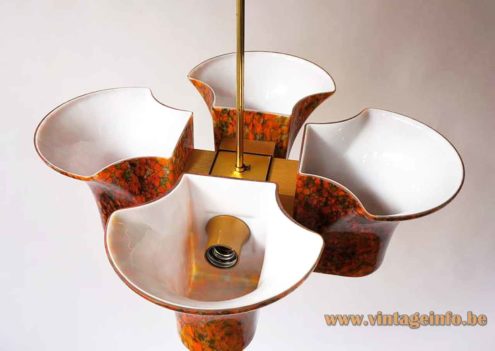
Peill+Putzler Fuga Chandelier
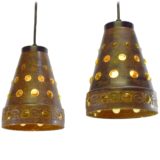
Materials: 4 hand-blown speckled brown-yellow-orange chalices lampshades. Brass parts & rod. 4 Bakelite E27 sockets.
Total Height: 70 cm / 27.55”
Height: 18 cm / 7.08”
Width: ∅ 57 cm / 22.44”
Electricity: 4 bulbs E27, 4 x 75 watt maximum, 110/220 volt.
No specific type of light bulb is required; different types can be used.
Period: 1970s, 1980s – Mid-Century Modern.
Designer: To be appraised.
Manufacturer:Peill+Putzler, Düren, Germany.
Other versions: The Peill+Putzler Fuga chandelier is made in several varieties. An upside down version was also created, as you can see in the catalogue pictures. Wall lamps and table lamps, all kind of lamps were made with this type of glass. Much more than you can see on this page, the most important ones are posted.
Peill+Putzler
Glashüttenwerk Peill und Sohn was founded in 1903 in Düren, Germany. In 1947, after the Second World War, the company merged with Putzler, whose origins go back to 1869, and continued under the name Peill+Putzler Glashüttenwerke. Over the following decades, Peill+Putzler developed into one of Germany’s best-known producers of glass and lighting. In its peak years, the company employed up to 1,500 people and was one of the largest employers in Düren.
The company worked with important designers such as Wilhelm Wagenfeld, Wilhelm Braun-Feldweg, Helmut Demary, Aloys Ferdinand Gangkofner, Horst Tüselmann, Dieter Sieger and others. Peill+Putzler became especially known for its high-quality glass production and for a wide range of modern lighting designs, many of which received iF Design Awards. Peill+Putzler received many design awards, not only for its lighting designs. Over the years, the company won 86 iF Design Awards.
Peill+Putzler also supplied glass components to other European lighting companies, including Raak, Philips, Müller & Zimmer and Van Doorn in the Netherlands, and Massive in Belgium. These lamps often combined Peill+Putzler glass with electrical parts made or specified by the companies under whose names they were sold.
In the mid-1990s, production was gradually moved from Düren to Slovenia, Poland and the Czech Republic. Only the trading of lamps and glass remained in Düren. Although the company was able to celebrate its 100th anniversary, insolvency proceedings followed in 2005.
For a number of years after that, the Peill+Putzler name continued to be used, including for Wagenfeld lighting marketed by the German company Paul Neuhaus. The former factory site in Düren, now known as Glashütte Düren, has since been converted into a multifunctional complex with various businesses and event spaces.
The Peill+Putzler name was revived again in recent years and is now used by Peill+Putzler Leuchten GmbH & Co. KG in Hemer, Germany. A new catalogue has been online since 2025, including reissues of some of the company’s best-known models, such as the Lido table lamp.
Peill+Putzler Fuga Chandelier
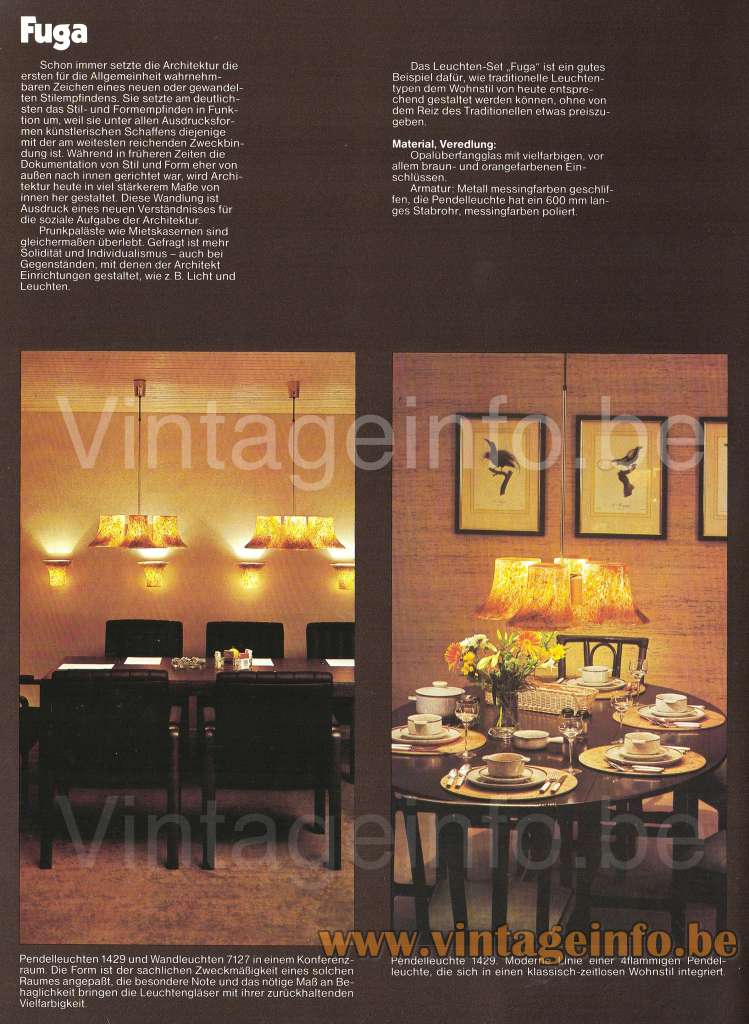
1978 – 1979 Catalogue Picture
Chandelier model 1429 & wall lamp 7127.
Translated text:
Fuga
Architecture has always been the first to set those signs of a new or changed sense of style that are perceptible to the public. It most clearly translated the sense of style and form into function, because among all forms of artistic expression it is the one with the broadest purpose-related orientation. Whereas in earlier times the documentation of style and form was directed more from the outside to the inside, architecture today is designed to a much greater extent from the inside out. This change is the expression of a new understanding of the social task of architecture.
Palatial buildings as well as tenement barracks are equally outlived. What is sought is more solidity and individualism – also in the objects with which the architect designs interiors, such as light and luminaires.
The lighting set “Fuga” is a good example of how traditional types of luminaires can be designed to suit today’s living style without giving up any of the charm of the traditional.
Material, finish:
Opal cased glass with multicoloured inclusions, chiefly brown and orange.
Fitting: metal, ground in brass colour; the pendant luminaire has a 600 mm long rod, polished in brass colour.
Peill+Putzler Fuga Chandelier
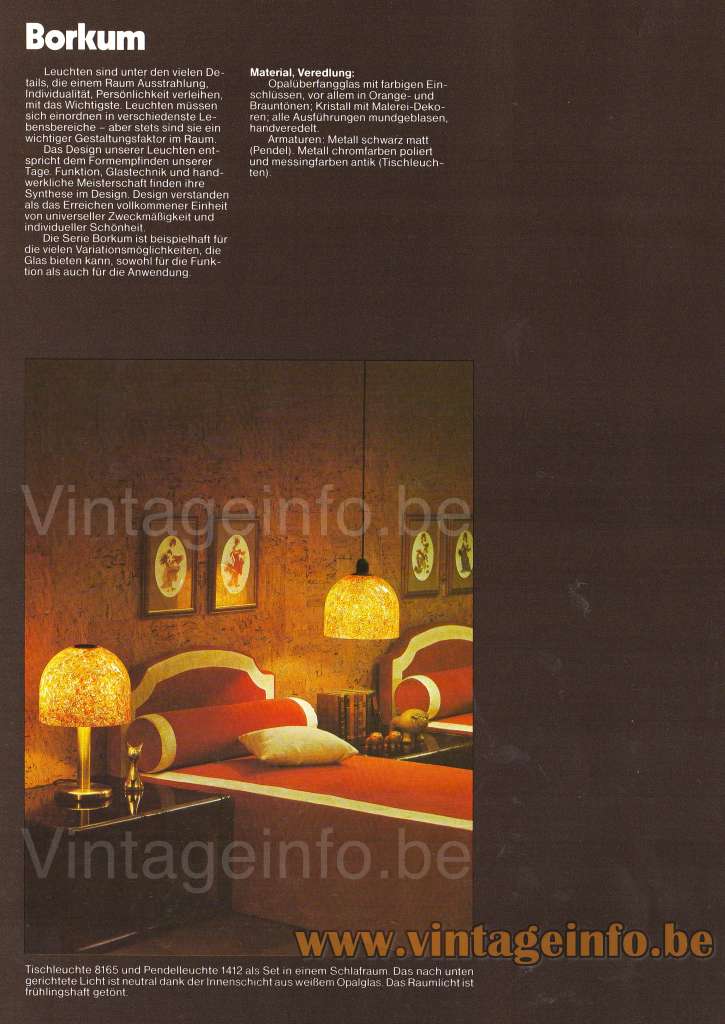
1978 – 1979 Catalogue Picture
Borkum version table lamp 8165 & pendant lamp 1412.
Translated text:
Borkum
Among the many details that give a room radiance, individuality and personality, luminaires are among the most important. Luminaires have to fit into very different living areas – but they are always an important design factor in the room.
The design of our luminaires corresponds to today’s sense of form. Function, glass technology and craftsmanship find their synthesis in the design – design understood as achieving a perfect unity of universal practicality and individual beauty.
The Borkum series is exemplary of the many possibilities of variation that glass can offer, both for function and for application.
Material, finish:
Opal cased glass with coloured inclusions, chiefly in orange and brown tones; crystal with painted décors; all versions mouth-blown, hand-finished.
Fittings: metal, matt black (pendant). Metal, polished chrome colour and antique brass colour (table lamps).
Peill+Putzler Fuga Chandelier
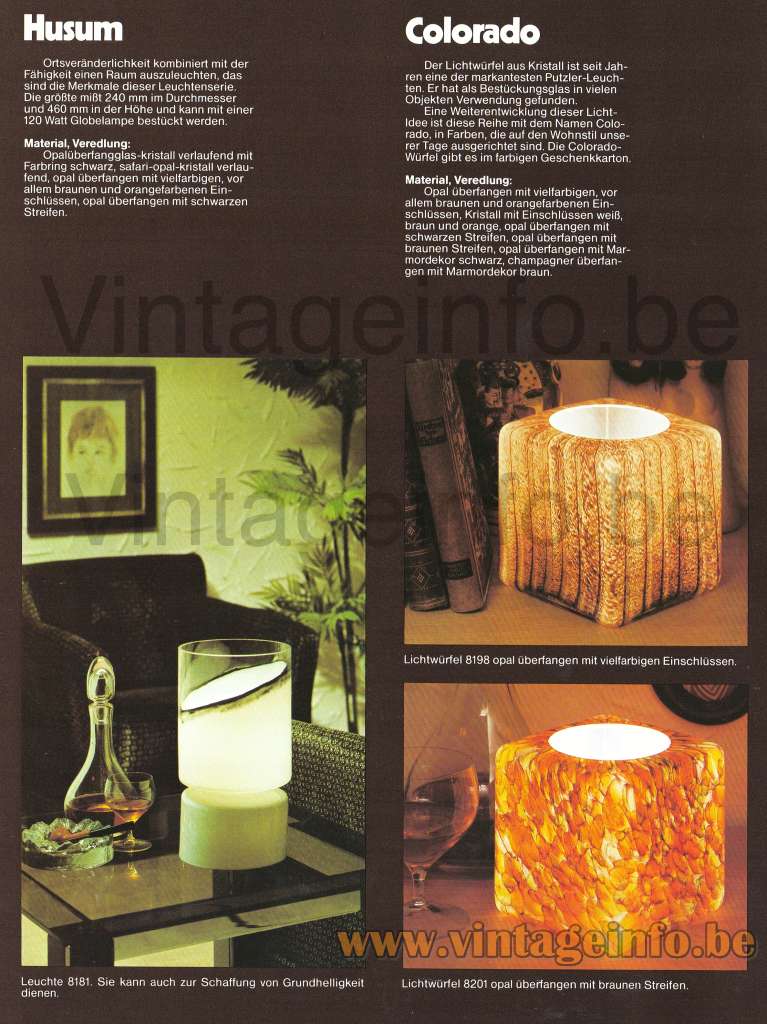
1978 – 1979 Catalogue Picture
Colorado table lamp 8198 & 8201 and Husum table lamp 8181.
Translated text:
Husum
Mobility (ability to change location) combined with the ability to illuminate a room – these are the characteristics of this luminaire series.
The largest model measures 240 mm in diameter and 460 mm in height and can be fitted with a 120-watt globe lamp.
Material, finish:
Opal cased glass – crystal shading with black colour ring, safari-opal-crystal shading, opal cased with multicoloured inclusions, chiefly brown and orange, opal cased with black stripes.
Colorado
The crystal light cube has for years been one of the most distinctive Putzler luminaires. It has been used as fitting glass in many projects.
A further development of this lighting idea is this series called “Colorado”, in colours that are aligned with today’s living style. The Colorado cubes are available in a coloured gift box.
Material, finish:
Opal cased glass with multicoloured inclusions, chiefly brown and orange; crystal with inclusions in white, brown and orange; opal cased with black stripes; opal cased with brown stripes; opal cased with black marble décor; champagne cased with brown marble décor.
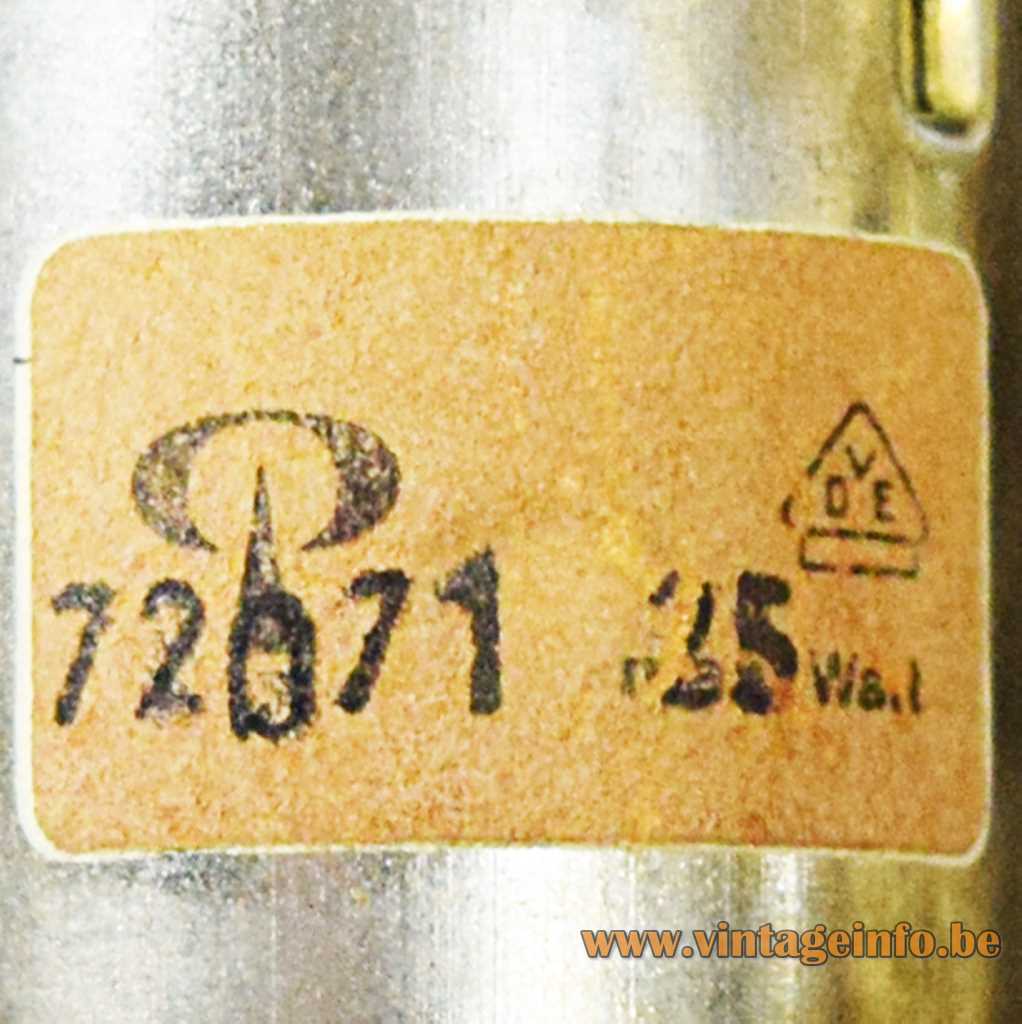
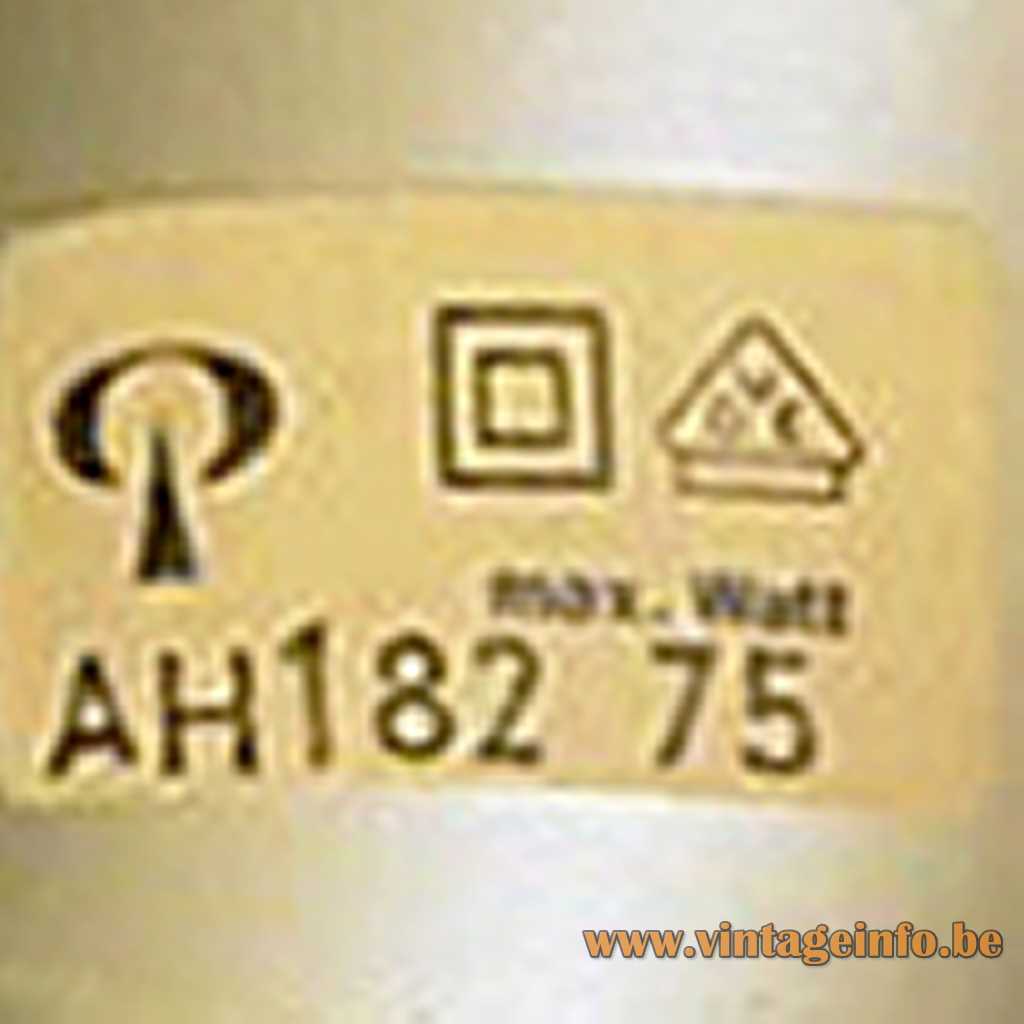
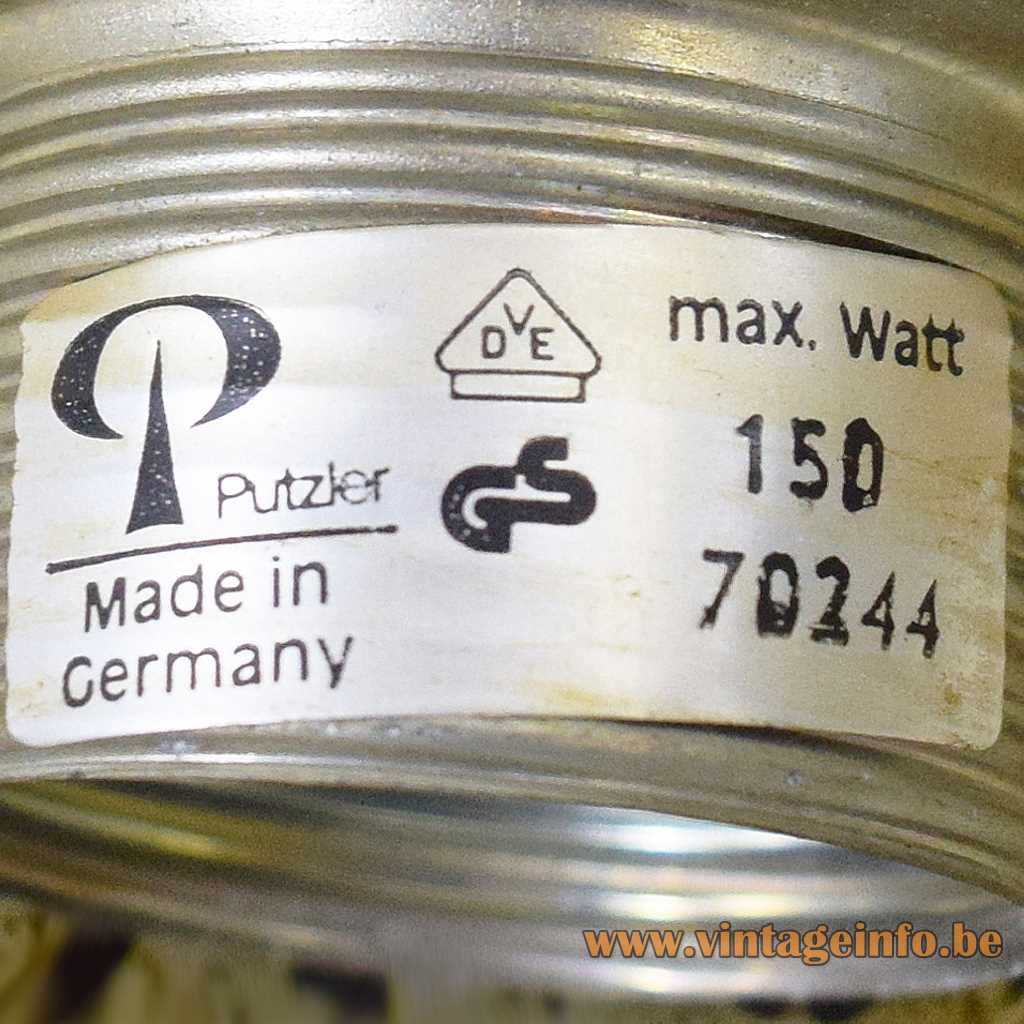
Peill+Putzler Fuga Chandelier – Company Labels & Logos