- Categories
- Categories
Last 5 Viewed
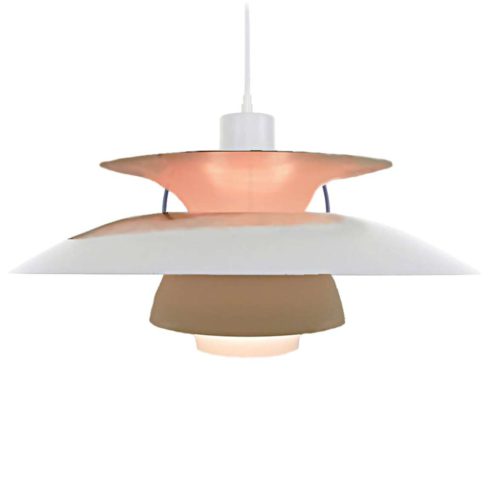
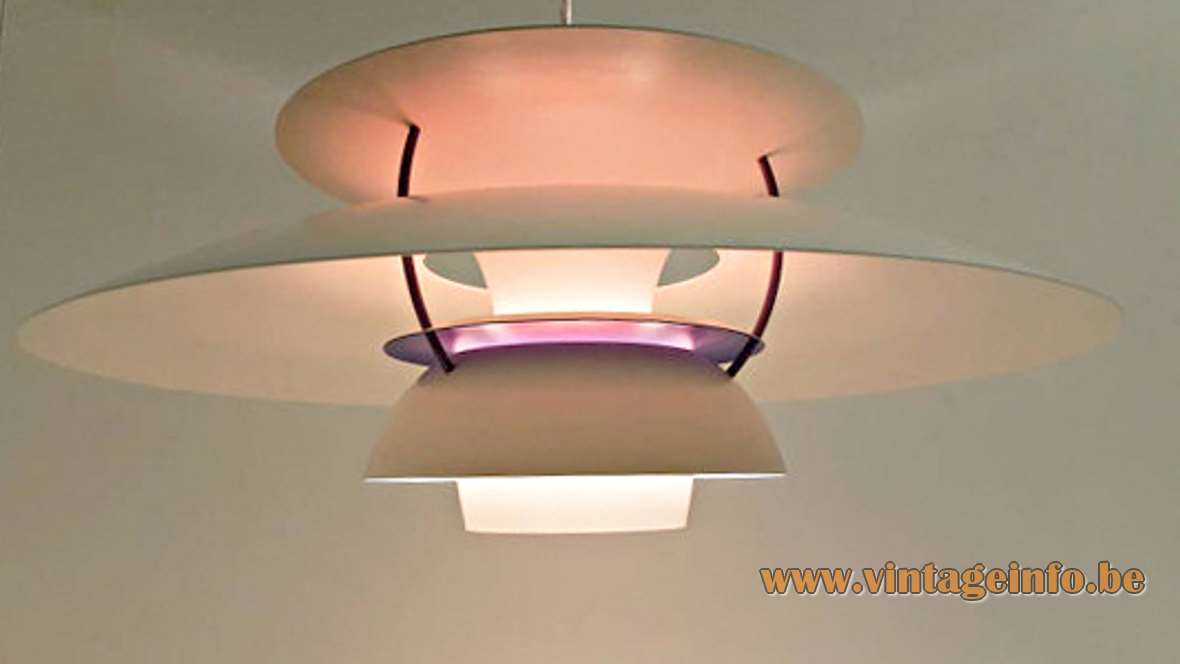
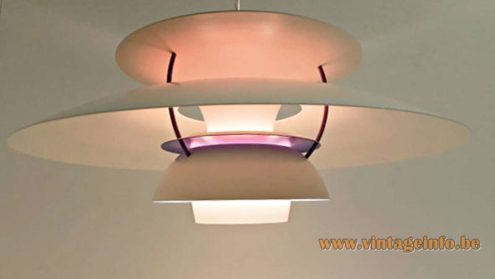
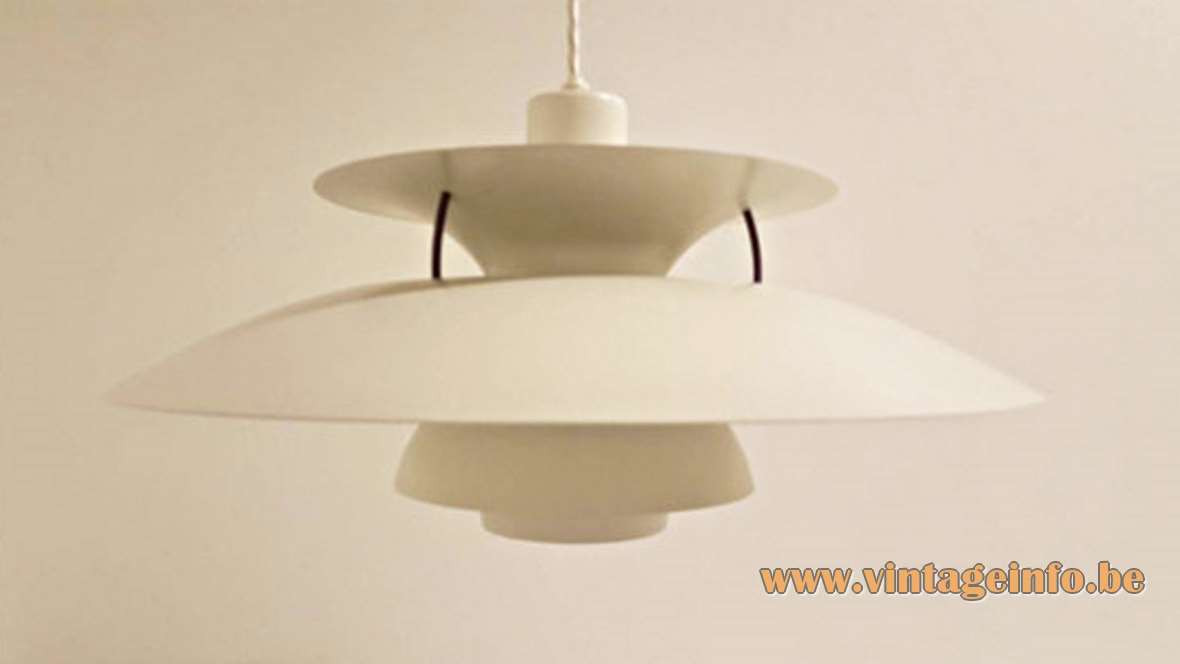
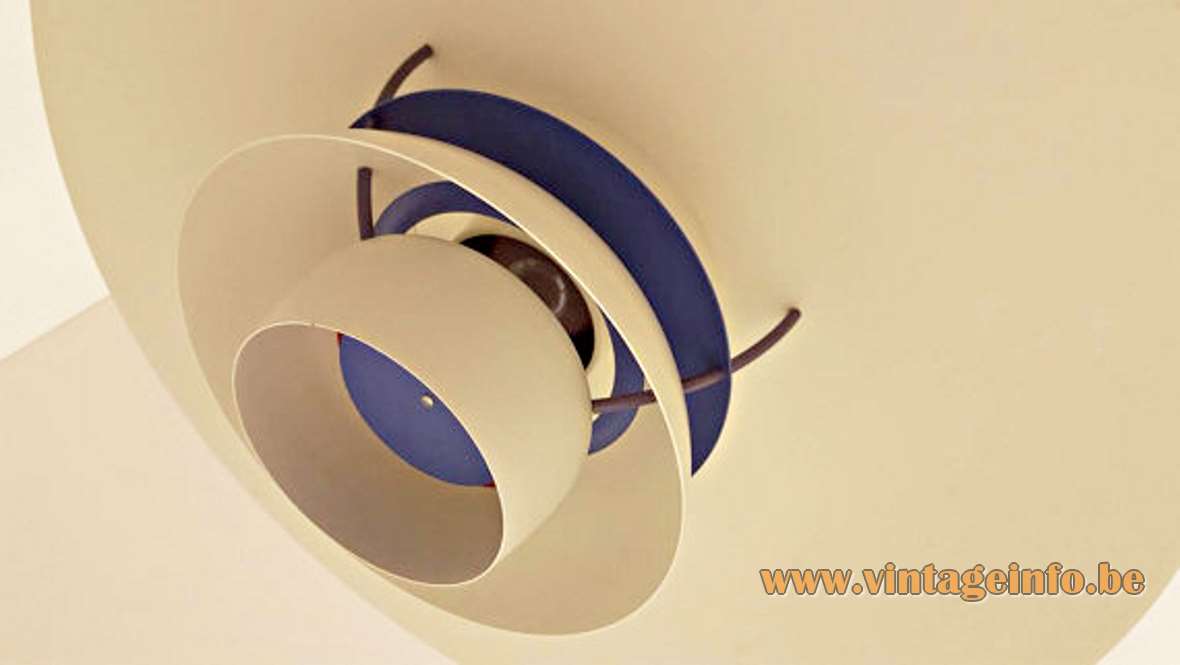
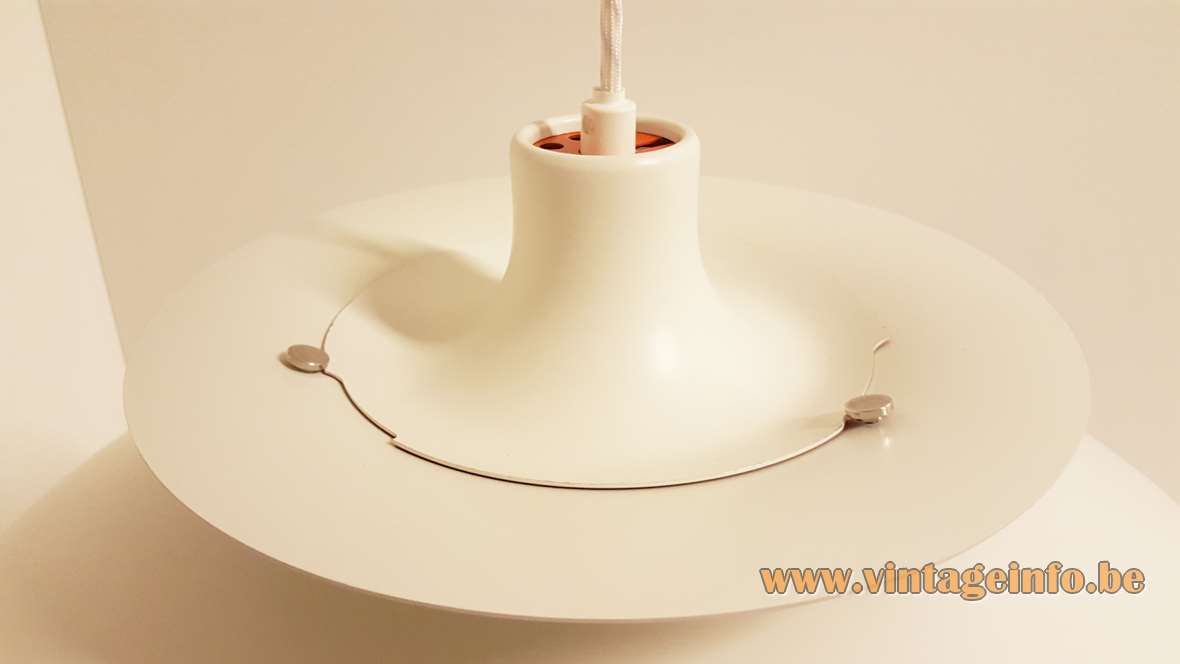
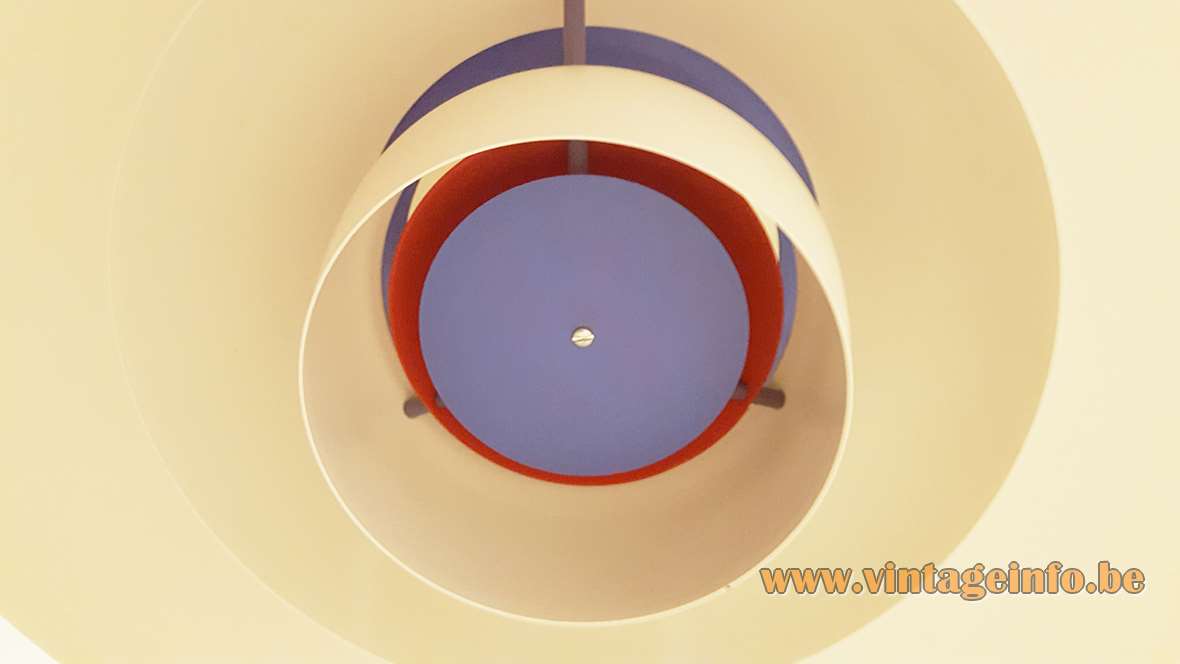
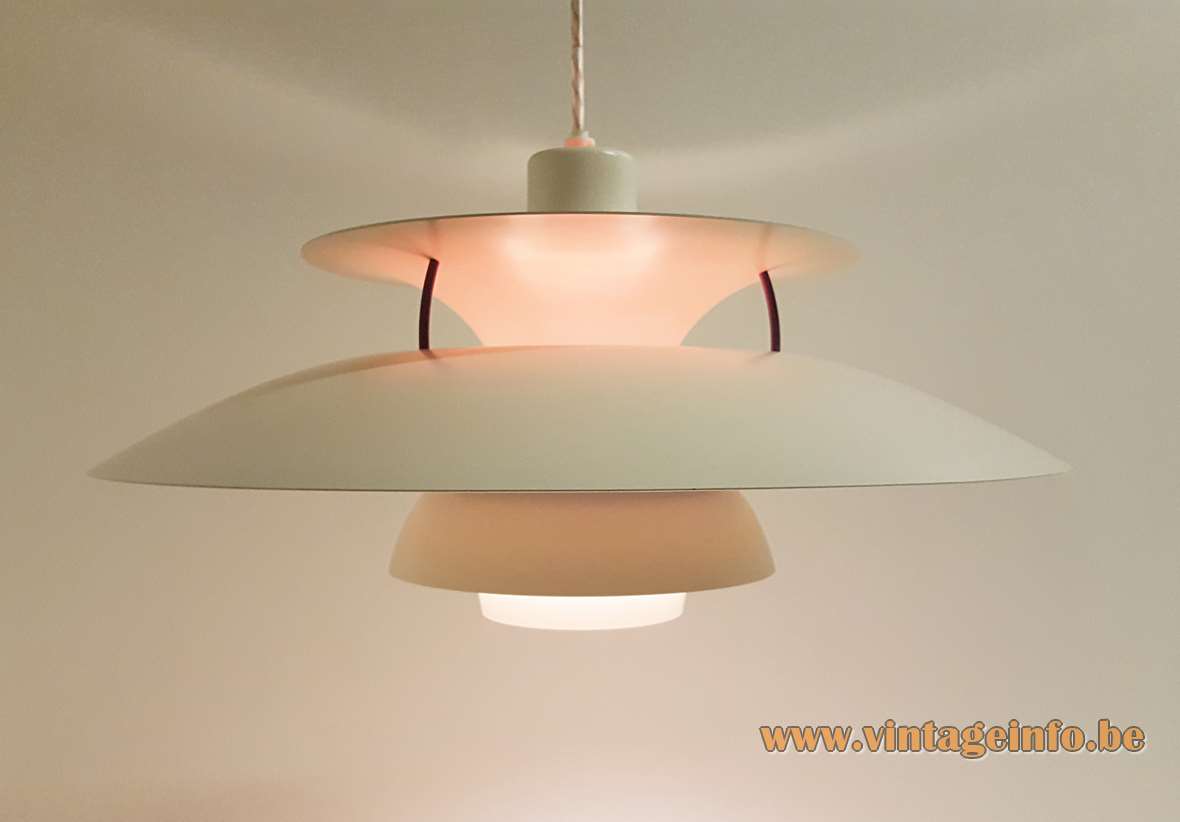
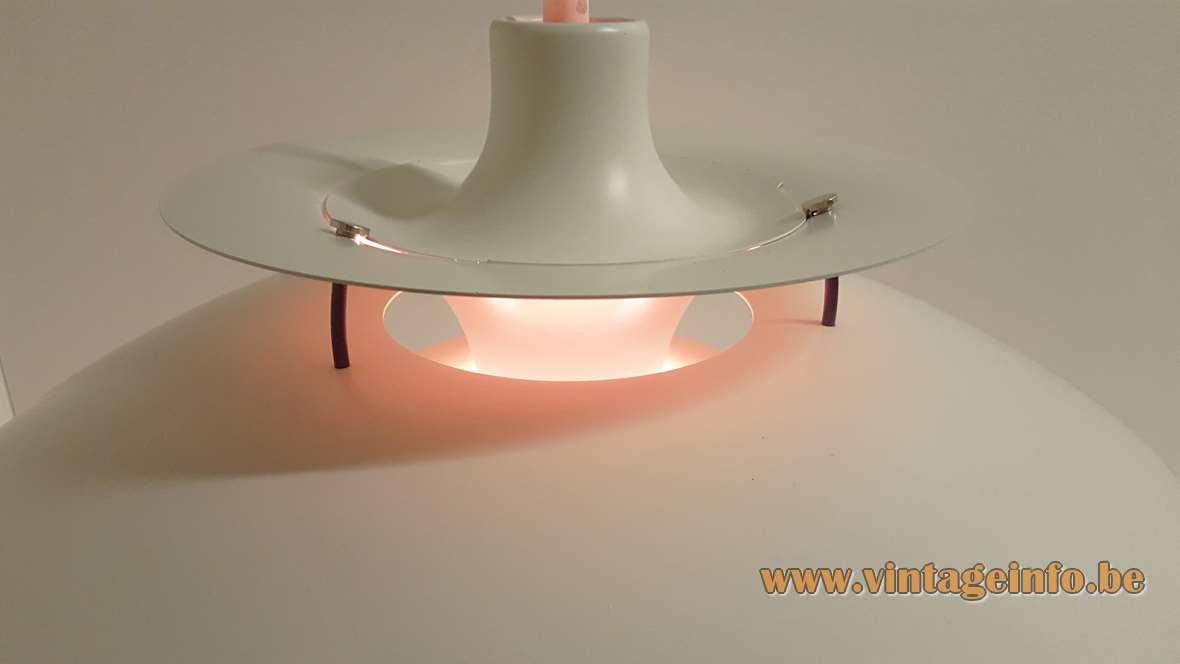
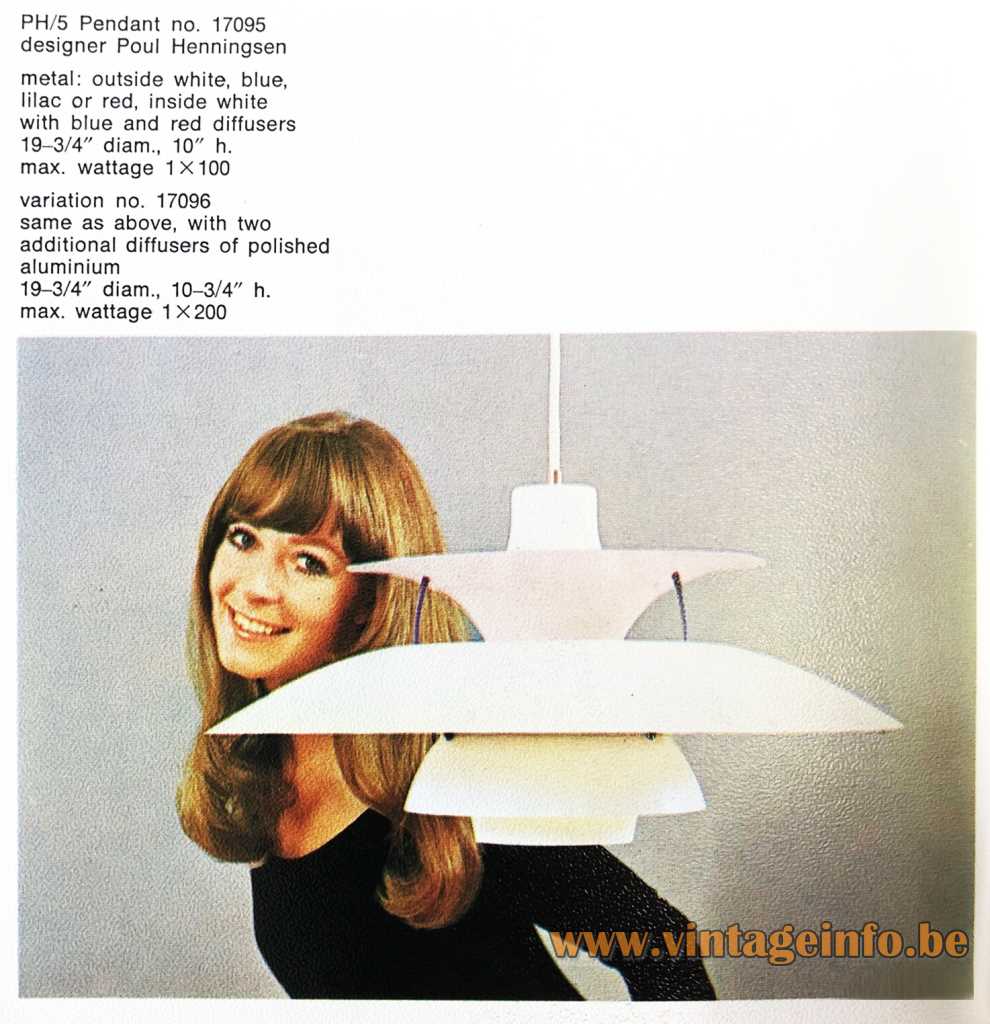
Poul Henningsen PH 5 Pendant Lamp – 1960s Louis Poulsen Catalogue Picture
(1/3) – PH: Philosophy of light
In this classic recording you get an introduction to how PH (Poul Henningsen) designed his famous lamps with his unique light philosophy. It has been and still is the core element in the lighting philosophy of Louis Poulsen.

(2/3) – PH: Philosophy of light

(3/3) – PH: Philosophy of light

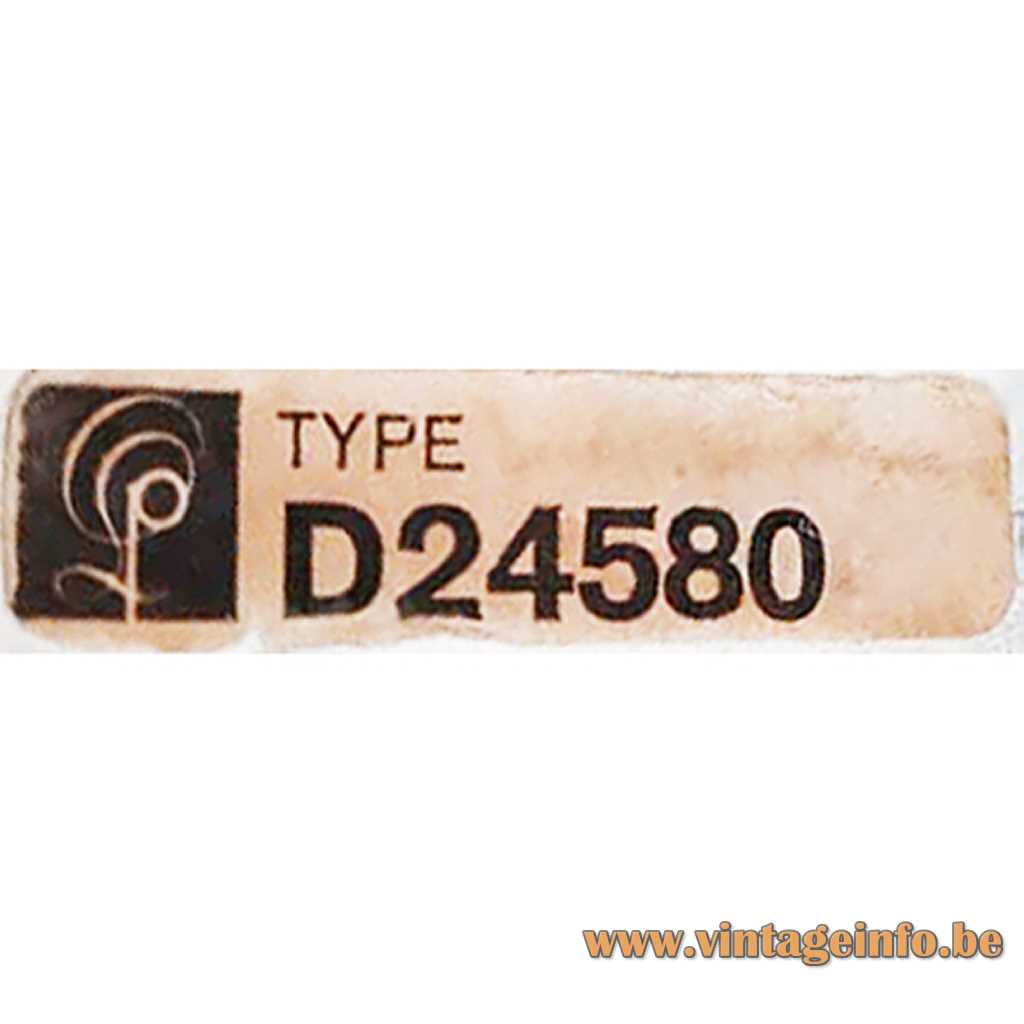
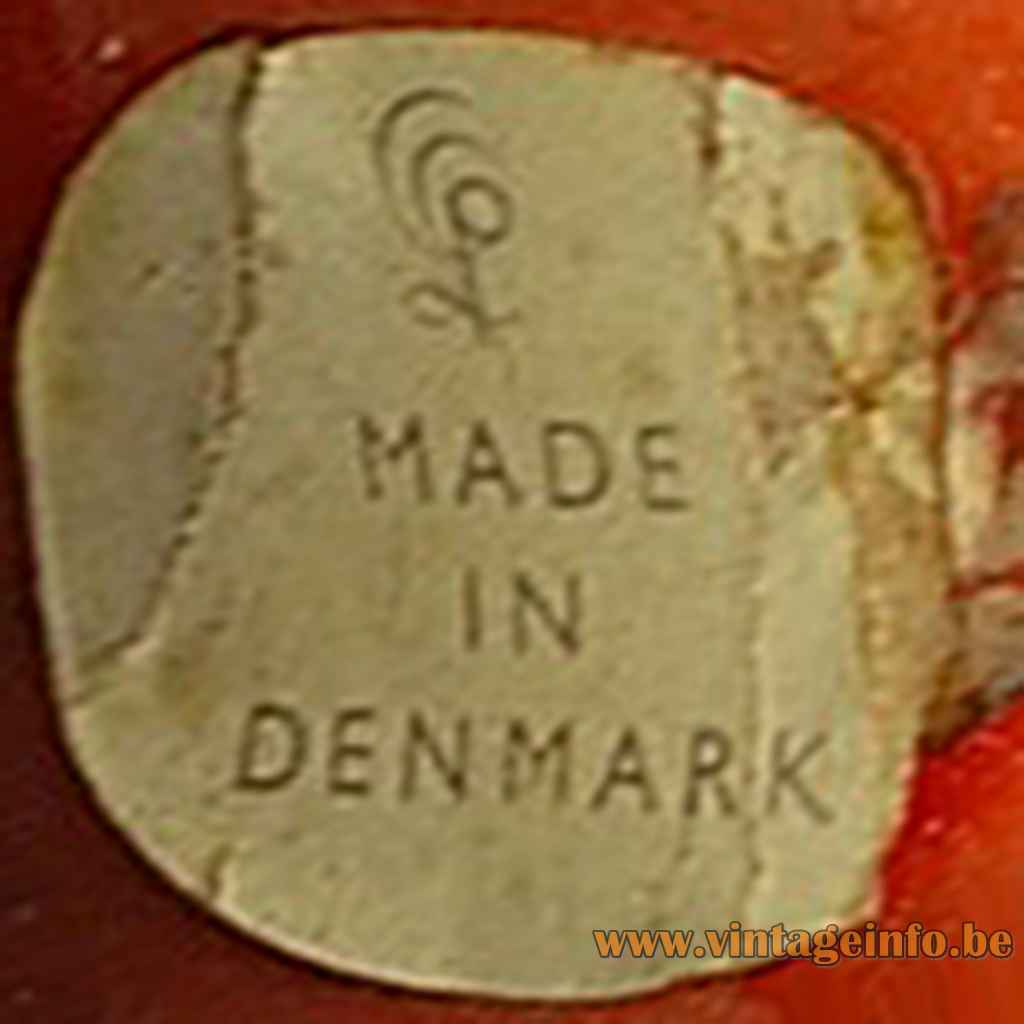
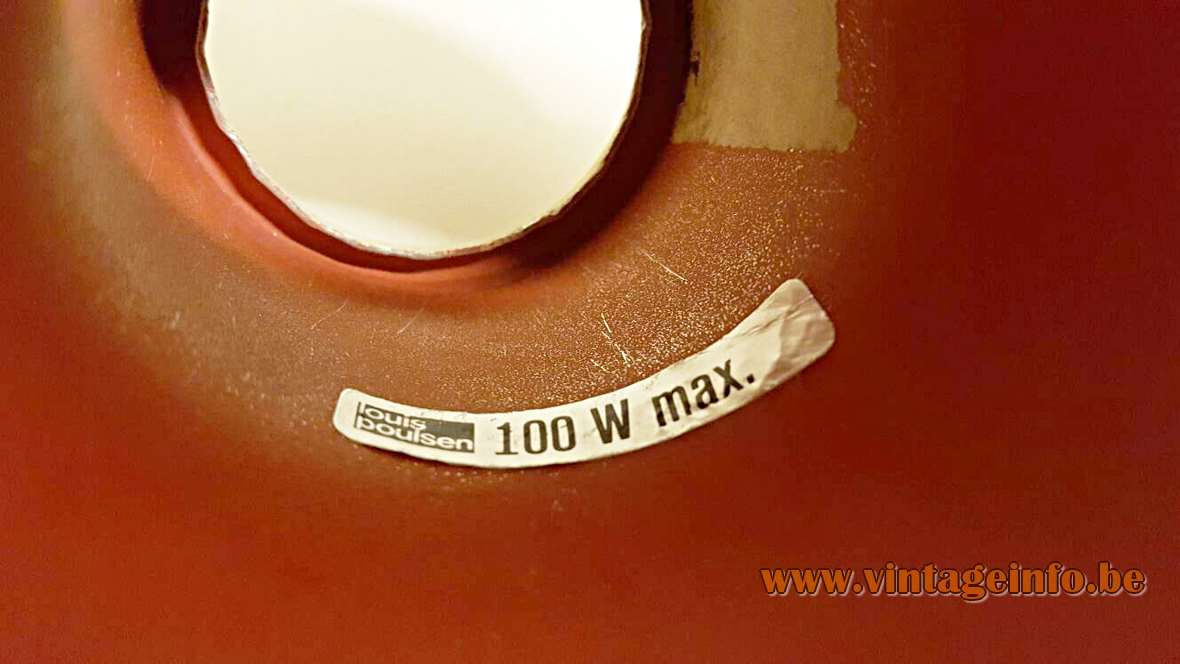
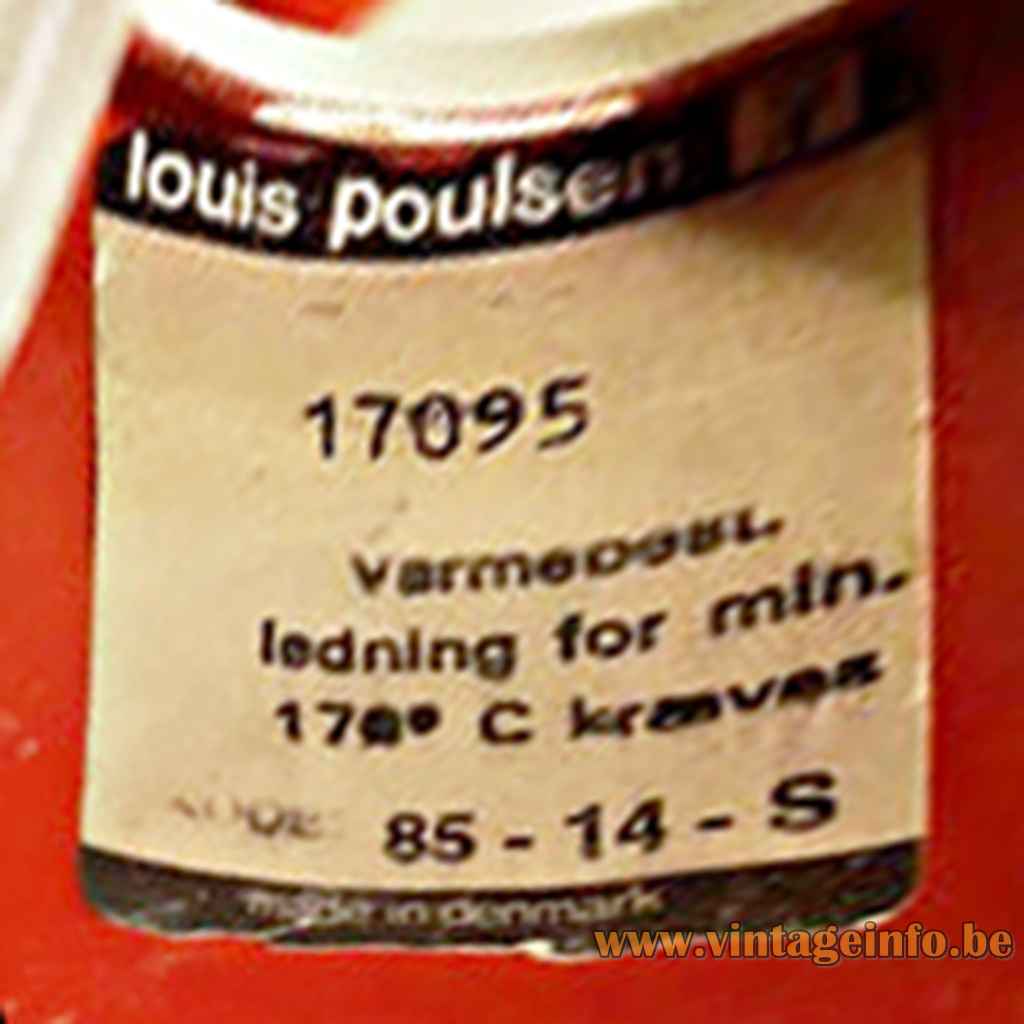
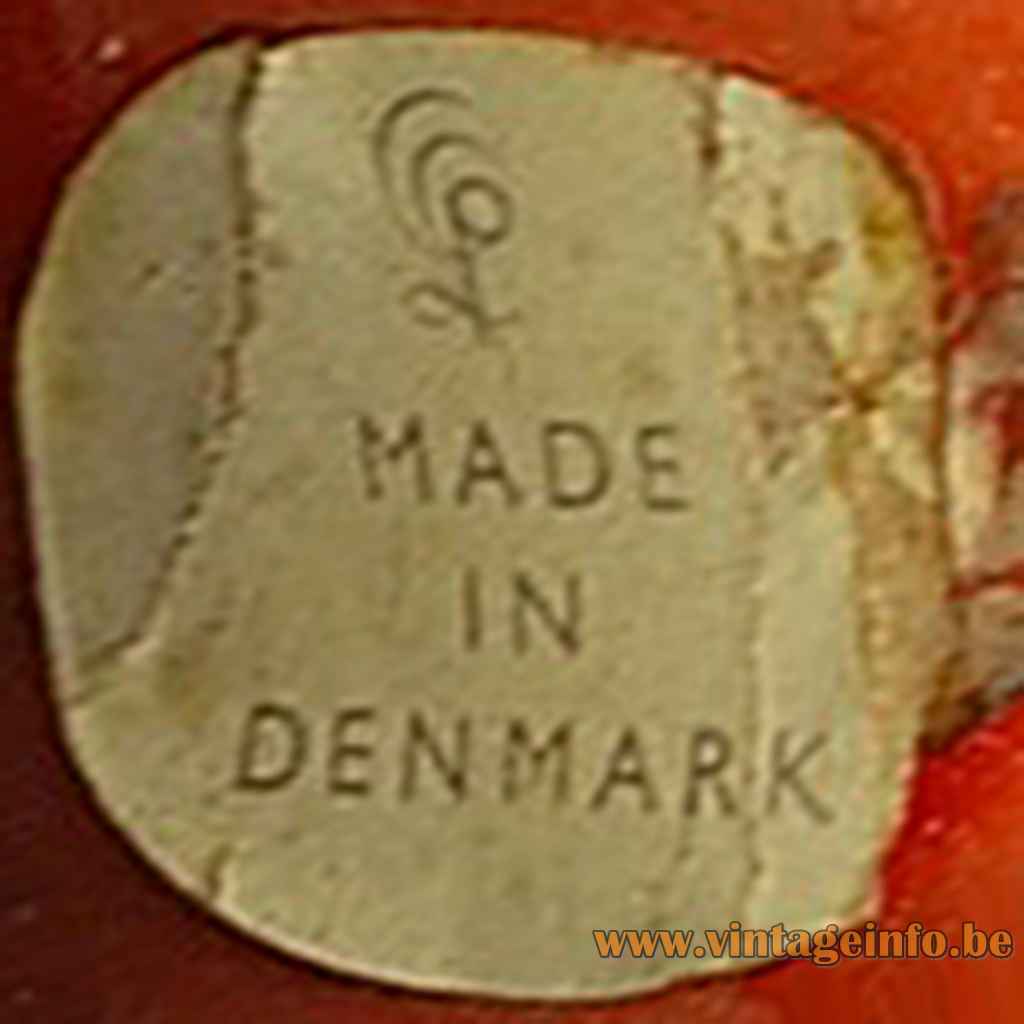
Poul Henningsen PH 5 Pendant Lamp – Labels
The label on the left is the label of this pendant lamp. The other label is a very old label found on another PH 5 pendant lamp.
Lamps In The Movies (And on TV)
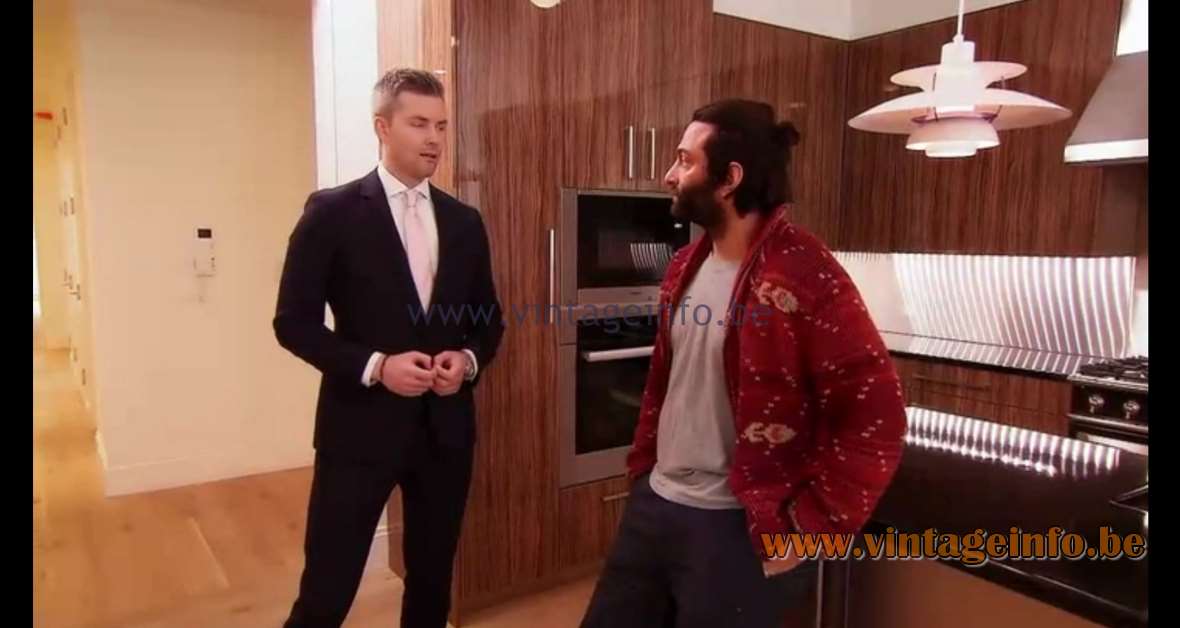
Million Dollar Listing New York (2012 – 2021)
A Poul Henningsen PH 5 pendant lamp appears in the 2012 – 2021 reality television series Million Dollar Listing New York in an apartment for sale.
Velvet Buzzsaw (2019)
A Poul Henningsen PH 5 pendant lamp was used as a set decoration in the 2019 American satirical horror thriller film Velvet Buzzsaw. Starring Jake Gyllenhaal, Rene Russo and Toni Collette.

Follow the Money (2016)
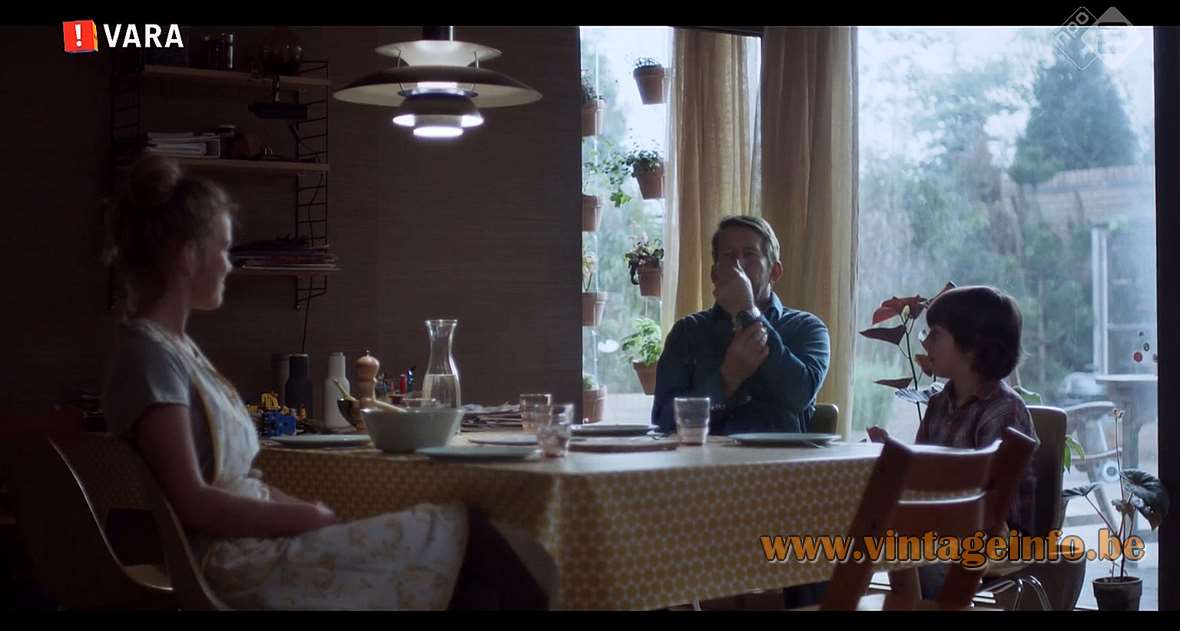
A Poul Henningsen PH 5 pendant lamp was used a s a prop in the Danish TV-series Follow the Money from 2016. The original Danish name is Bedrag (deception). A financial crime thriller that has run for 2 seasons and it has 20 episodes in total.
Rams (2018)
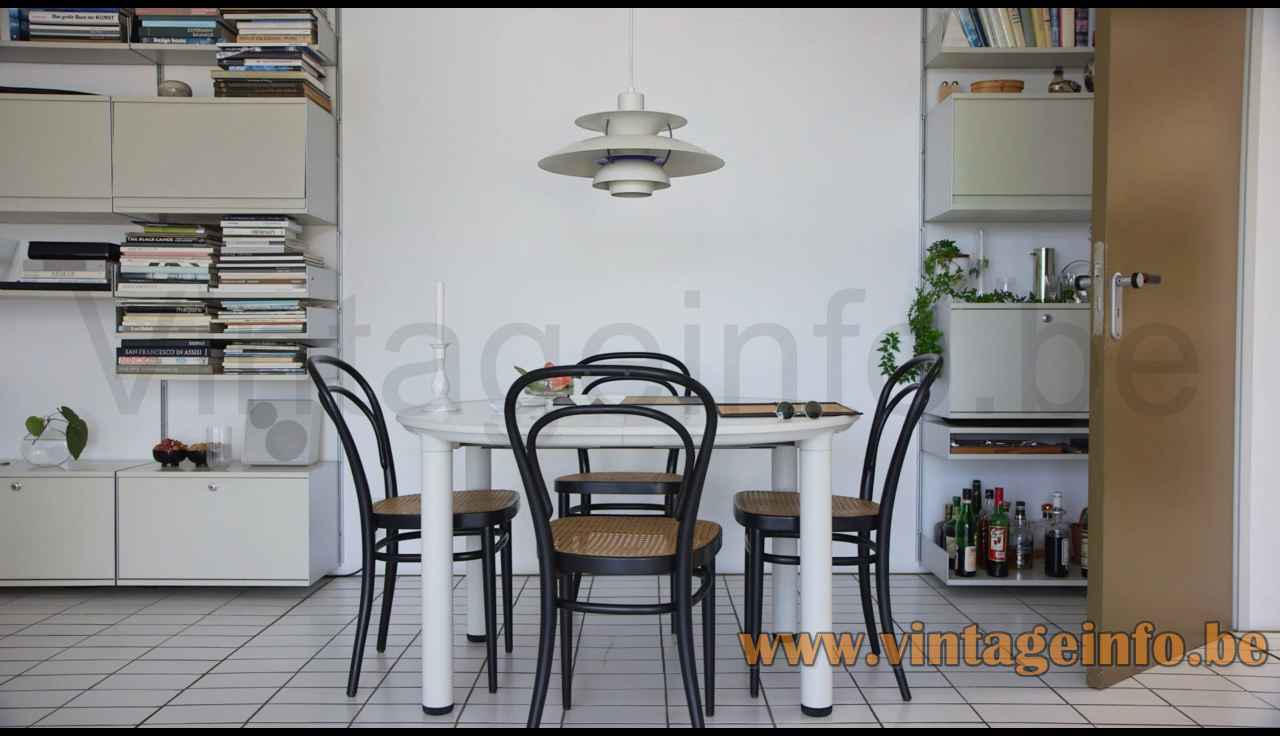
A Poul Henningsen PH 5 pendant lamp is hanging in the house of famous German designer Dieter Rams. It appears in the 2018 documentary film Rams.
Fallout TV Series (2024 – )
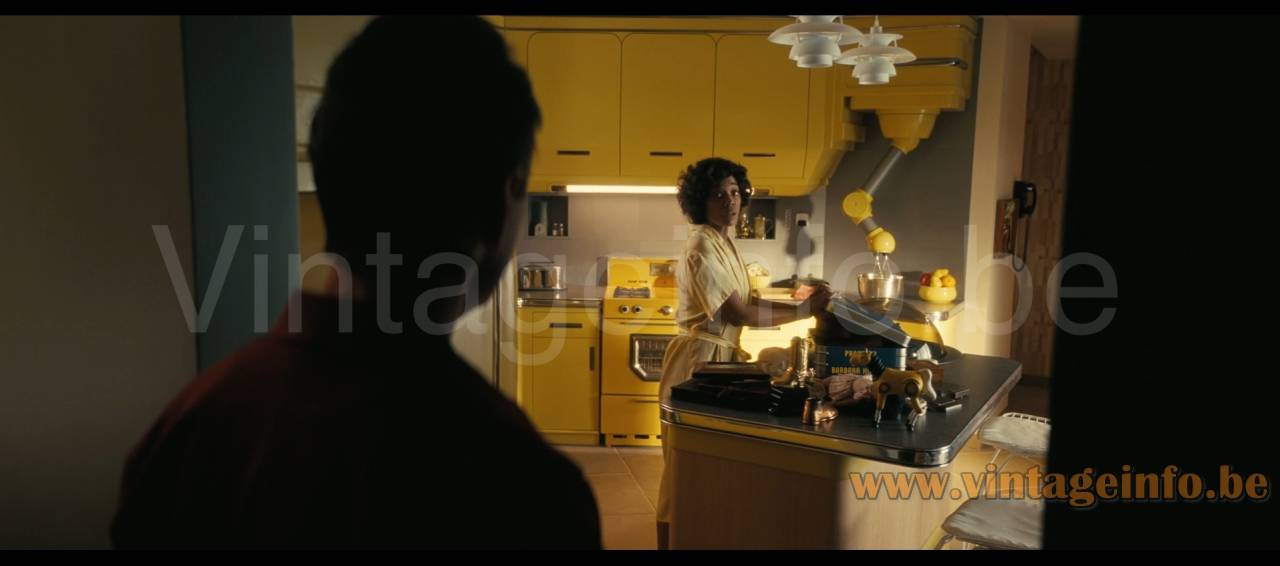
Two small Poul Henningsen PH 5 pendant lamps were used as set decorations in the 2025 American post-apocalyptic drama television series Fallout, starring Ella Purnell, Aaron Moten, and Kyle MacLachlan. They appear here in Season 2, Episode 3, hanging in the kitchen of the villa occupied by Cooper Howard.
In this case, their presence makes sense. The villa is styled as a modern 1950s residence, and the PH 5 fits naturally within that environment.
Many Christian Dell 6631 desk lamps were also used throughout the series. (You can find them over here) It is rather surprising to see German Bauhaus-era lamps in this setting. All examples shown appear to be newly manufactured. Presumably, the production team was looking for a series of identical, vintage-looking desk lamps to create a uniform appearance across the office scenes. As this model is still in production by Fritz Hansen, sourcing multiple matching pieces would have been straightforward. Nevertheless, they do not entirely belong in this context.
There are also several pendant lamps from the 1970s, most likely by the American brand Virden. To a modern eye they may suggest a 1950s aesthetic, yet these models appear in catalogues from the 1970s.
A modular chandelier from the C 300 series, designed by Trix & Robert Haussmann and produced by Swiss Lamps International, hangs in the entrance hall of the villa of Cooper Howard, the Ghoul cowboy. This chandelier is often described as having been designed in the late 1950s, but it is at least ten years younger, making it historically inconsistent with the setting.
Many thanks to Marjan from Vintage Drachten for the beautiful pictures.
Many thanks to Willem for the old Louis Poulsen label. Willem refurbishes PH 5 pendant lamps. You can find his website over here.
Poul Henningsen PH 5 Pendant Lamp
Materials: White, purple & dark orange painted round metal lampshade. Porcelain E27 socket.
Cord Length: 65 cm / 25.59”
Height: 24 cm / 13.77”
Width: ∅ 50 cm / 13.77”
Electricity: 1 bulb E27, max 100 watt, 110/220 volt.
No specific type of light bulb is required; different types can be used.
Period: 1950s – Mid-Century Modern.
Designer: Poul Henningsen (1894 – 1967).
Manufacturer: Louis Poulsen & Co A/S, Copenhagen, Denmark.
Other versions: The Poul Henningsen PH 5 pendant lamp was produced in many different colours over the years. Examples are also occasionally encountered without a manufacturer’s label.
The model forms part of the broader PH three-shade system, a lighting principle developed by Poul Henningsen between 1925 and 1926 for the large exhibition hall Forum in Copenhagen, Denmark.
Introduced in 1958, the PH 5 provides mainly downward light and is based on a precisely calculated multi-shade reflecting system. Its construction ensures a soft, evenly distributed and glare-free illumination, regardless of the position of the bulb.
The letters PH refer to Poul Henningsen, while the number 5 denotes the lamp’s diameter of 50 cm. Period catalogue material shows that two versions were available, suitable for either a 100-watt or a 200-watt light bulb. The design received an iF Design Award in 1971.
Poul Henningsen
Poul Henningsen was born on 9 September 1894 in Denmark, in the Copenhagen area. He studied at the Technical School at Frederiksberg from 1911 to 1914, and later at the Technical College in Copenhagen until 1917. Although he trained as an architect, he never graduated, and instead developed into a remarkably versatile designer, writer and cultural critic.
Throughout his life, Henningsen devoted himself to the study of light and its effect on everyday life. His work focused on creating lamps that produced comfortable, glare-free illumination through the careful control of light distribution, reflection and shielding. He is widely regarded as one of the great pioneers of modern lighting design.
His self-titled PH series became his most famous body of work. Among his best-known designs are the PH Artichoke and the PH 5, both introduced in 1958. The PH 5 was designed in response to the constantly changing shapes and sizes of incandescent bulbs, with the aim of creating a lamp that would provide pleasant, glare-free light regardless of the light source.
Henningsen was also a highly influential cultural figure in Denmark. During the 1920s he achieved his literary breakthrough, and he later became known for the politically engaged PH revues of 1929–1932. In addition to lighting, he also designed the celebrated PH Grand Piano in 1930, a radical and elegant reinterpretation of the traditional grand piano.
Before and during the Second World War, Henningsen was active as an anti-fascist voice. During the German occupation he eventually fled to Sweden, where he continued to support the resistance through coded and camouflaged writings. After the war he increasingly distanced himself from communist circles as his scepticism towards the Soviet Union grew. In 1963 he became a member of the Danish Academy. Poul Henningsen died on 31 January 1967.
Louis Poulsen
Louis Poulsen is a Danish lighting manufacturer with roots going back to 1874, when Ludvig R. Poulsen founded a business in Copenhagen. Originally a trading company, the firm gradually shifted towards electrical supplies and lighting as electricity became more widely used. In 1896 Ludvig’s nephew Louis Poulsen joined the company, and after Ludvig’s death in 1906 Louis continued the business. In 1914Sophus Kaastrup-Olsen became a partner, and the company name changed to Louis Poulsen & Co.
A decisive turning point came in 1924, when Poul Henningsen began his long collaboration with the company. His scientific approach to glare-free lighting and reflective multi-shade systems became central to the identity of Louis Poulsen and strongly influenced modern lighting design. Since then, the company has continued to combine functional light, architectural clarity and carefully considered form, following the idea that a lamp should not merely be an object, but a tool to shape light.
Over the decades, Louis Poulsen has produced both iconic domestic lighting and large-scale architectural lighting for public and professional spaces. The company remains one of the best-known names in Danish lighting design, with a strong emphasis on the quality, direction and atmosphere of light.
Designers
The designer most closely associated with Louis Poulsen is Poul Henningsen (PH). Other major names linked to the company include Arne Jacobsen, Verner Panton, Vilhelm Lauritzen and Vilhelm Wohlert.
Over time, Louis Poulsen also collaborated with a wide range of designers, architects and studios, including Alfred Homann, Andreas Hansen, Eila & John Meiling, Henning Klok, Axel Wedel Madsen, Jørgen Bo, Ole Valdemar Kjær, Jens Møller-Jensen and Bent Gantzel-Boysen.
Among later and more recent collaborations are Louise Campbell, Øivind Slaatto, Christian Flindt, Clara von Zweigbergk, nendo (Oki Sato), Olafur Eliasson, GamFratesi, Anne Boysen, Peter Bysted, Anu Moser, Shoichi Uchiyama, Gabriel Tan and Finn Juhl.
Lamps In The Movies
La Prochaine Fois Je Viserai le Coeur (2014)
A Poul Henningsen PH 5 pendant lamp was used as a set decoration in the 2014French crime thriller film La Prochaine Fois Je Viserai le Coeur (Next Time I’ll Aim for the Heart). Starring Guillaume Canet, Jean-Paul Comart and Ana Girardot.

Springvloed (2016) – Spring Tide
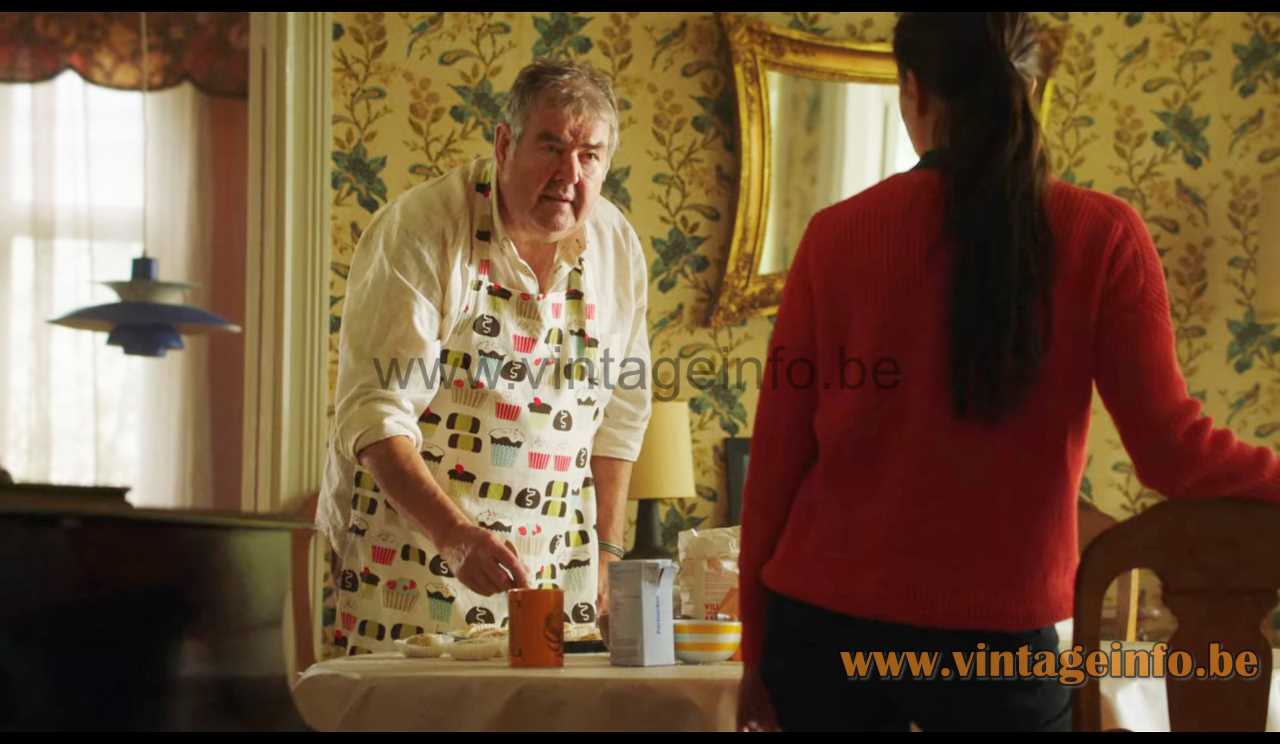
A Poul Henningsen PH 5 pendant lamp was used as a set decoration in the 2016 Swedish crime television drama series Springvloed (Spring Tide). Starring Julia Ragnarsson, Kjell Bergqvist and Johan Widerberg.
Ofrenda A La Tormenta (2020)
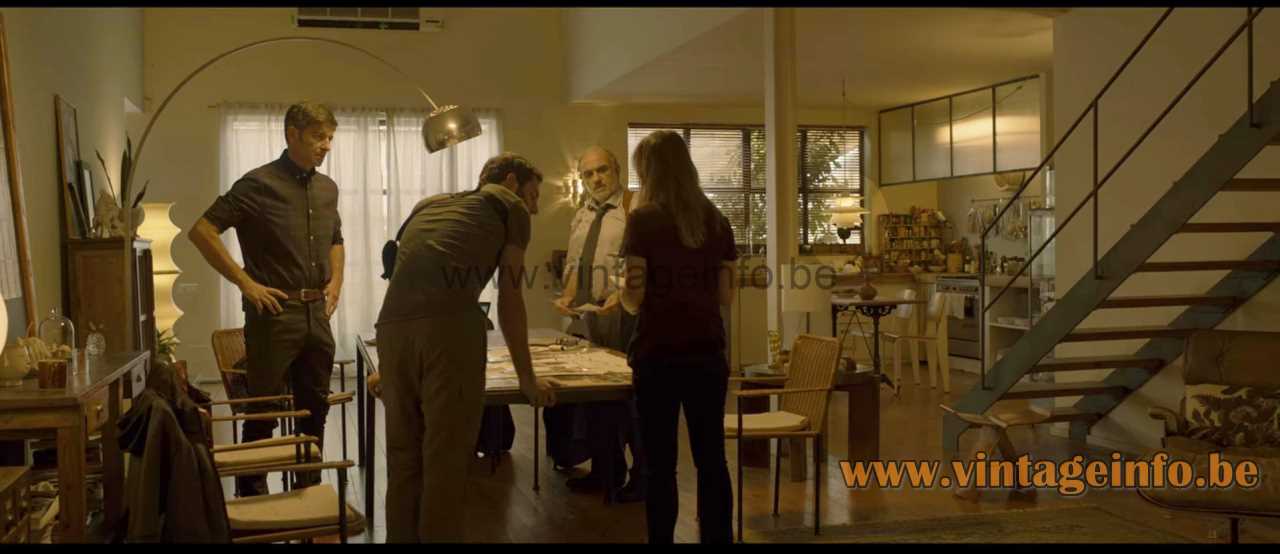
A Poul Henningsen PH 5 pendant lamp was used as a set decoration in the 2020Spanish-German crime film Ofrenda A La Tormenta (Offering to the Storm). It is the third and final instalment in the Baztán Trilogy. In all 3 films many lamps appear. Although it is almost an overkill in this last film. Starring Marta Etura, Leonardo Sbaraglia and Paco Tous. Here together with the FLOS Arco floor lamp designed by Achille Castiglioni.
Entrapped (2016 – 2021)
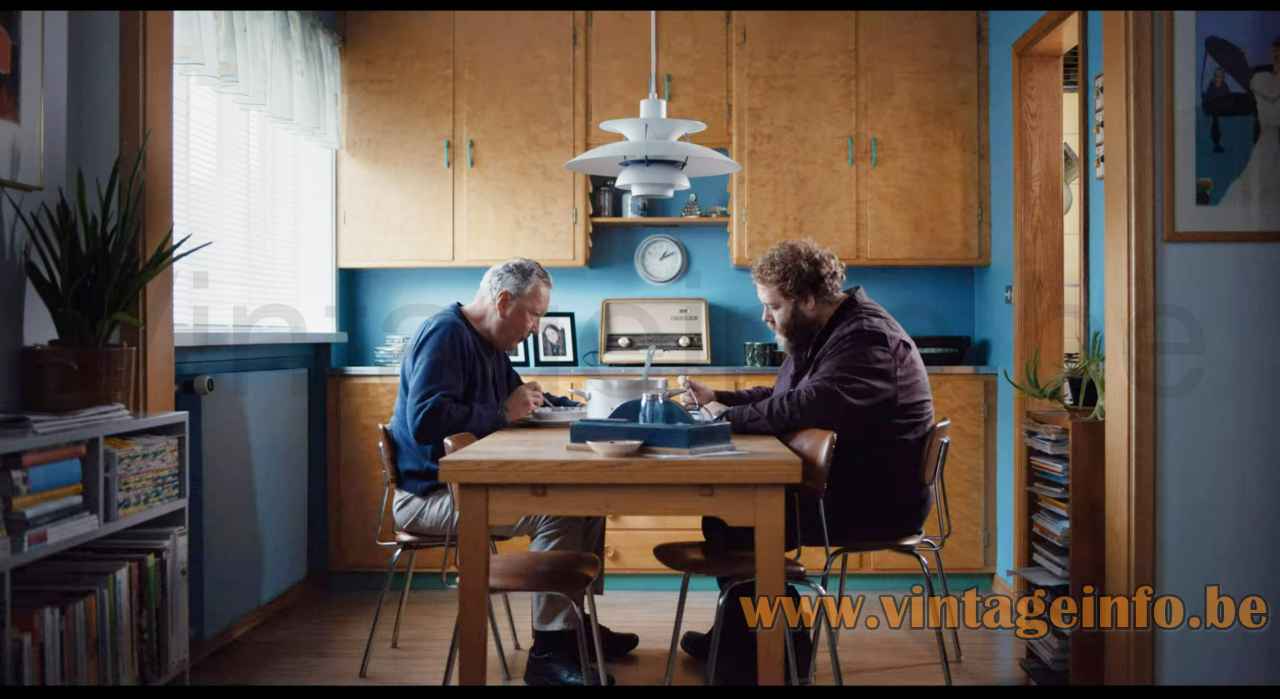
A Poul Henningsen PH 5 pendant lamp was used as a set decoration in the 2020Icelandic television mystery drama series Entrapped (Trapped, series 3). Starring Ólafur Darri Ólafsson, Ilmur Kristjánsdóttir and Ingvar Eggert Sigurðsson.
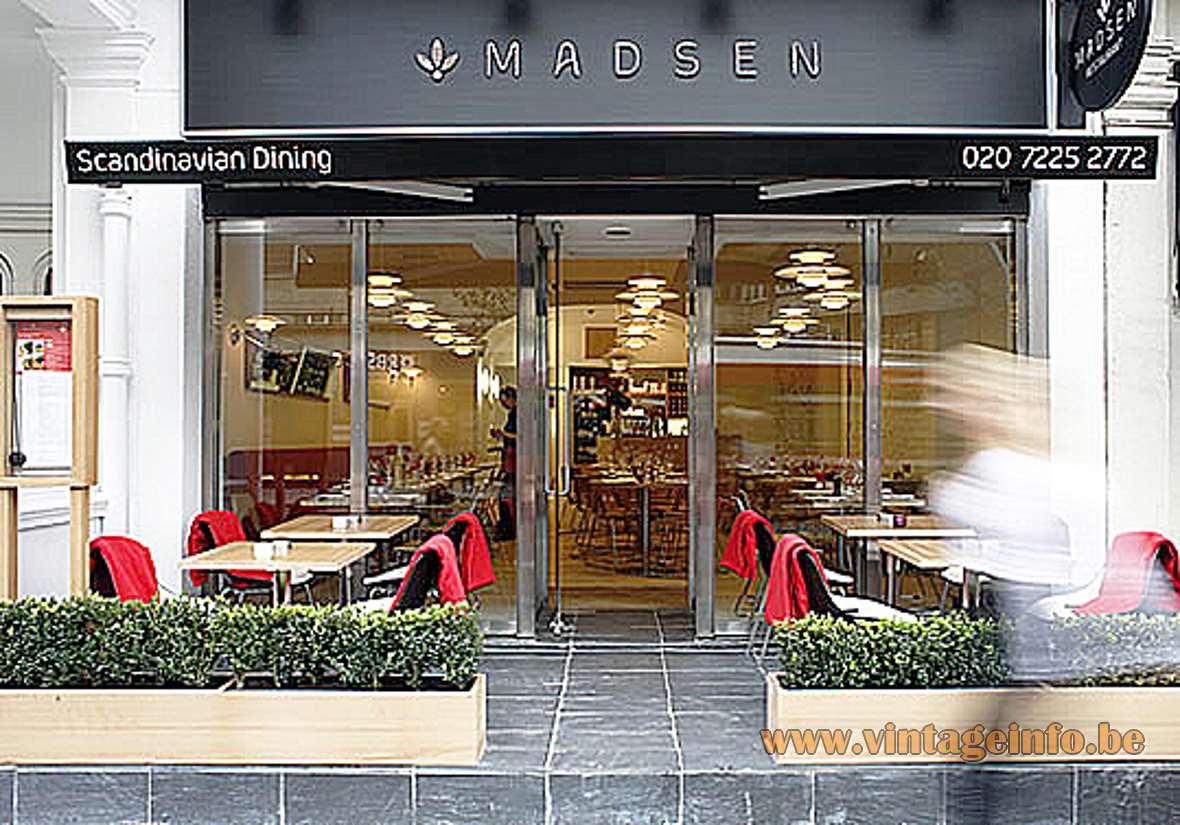
Madsen Restaurant
Poul Henningsen PH 5 pendant lamps used to decorate restaurant Madsen in London, UK. The restaurant is no longer open, unfortunately.
Links (external links open in a new window)
Poul Henningsen biography – Wikipedia
The Poul Henningsen story on the Louis Poulsen website
PH 5 pendant lamp on the iF Design Award website
Louis Poulsen history – Wikipedia
The Danish Academy – Wikipedia
Poul Henningsen in 1000 Lights: 1878-1959 from Taschen by Charlotte Fiell and Peter Fiell
Follow the Money (Danish TV series) – Wikipedia
Follow the Money (Danish TV series) – IMDB
La Prochaine Fois Je Viserai le Coeur (2014) film – Wikipedia
La Prochaine Fois Je Viserai le Coeur (2014) film – IMDb
Springvloed (2016) TV series – Wikipedia
Springvloed (2016) TV series – IMDb
Ofrenda A La Tormenta (2020) film – Wikipedia
Ofrenda A La Tormenta (2020) film – IMDb
Velvet Buzzsaw (2019) film – Wikipedia
Velvet Buzzsaw (2019) film – IMDb
Million Dollar Listing New York – Wikipedia
Entrapped (2020) TV series – Wikipedia
Entrapped (2020) TV series – IMDb
Fallout (2024 – ) TV series – Wikipedia
Fallout (2024 – ) TV series – IMDb
Blog visit London – Denmark in London: Madsen Restaurant – the article no longer exist, unfortunately.
Vintageinfo
Poul Henningsen PH 5 Pendant Lamp – Company Labels