- Categories
- Categories
Last 5 Viewed
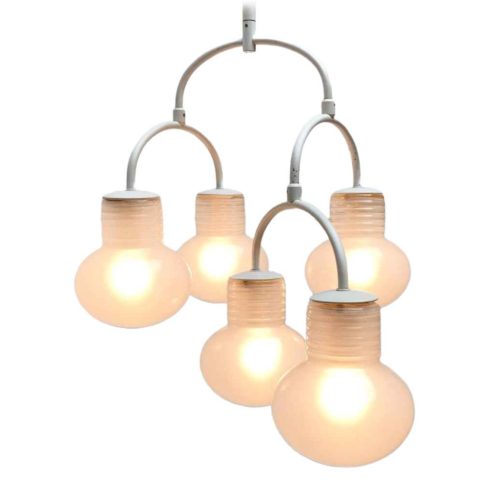
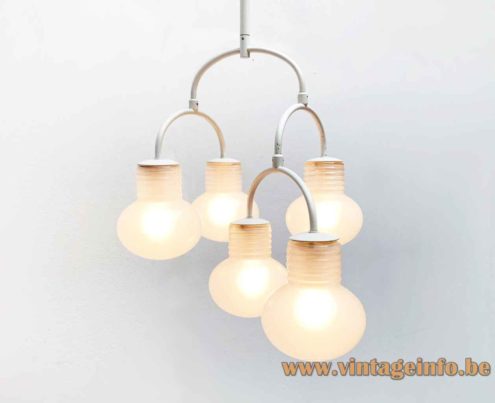
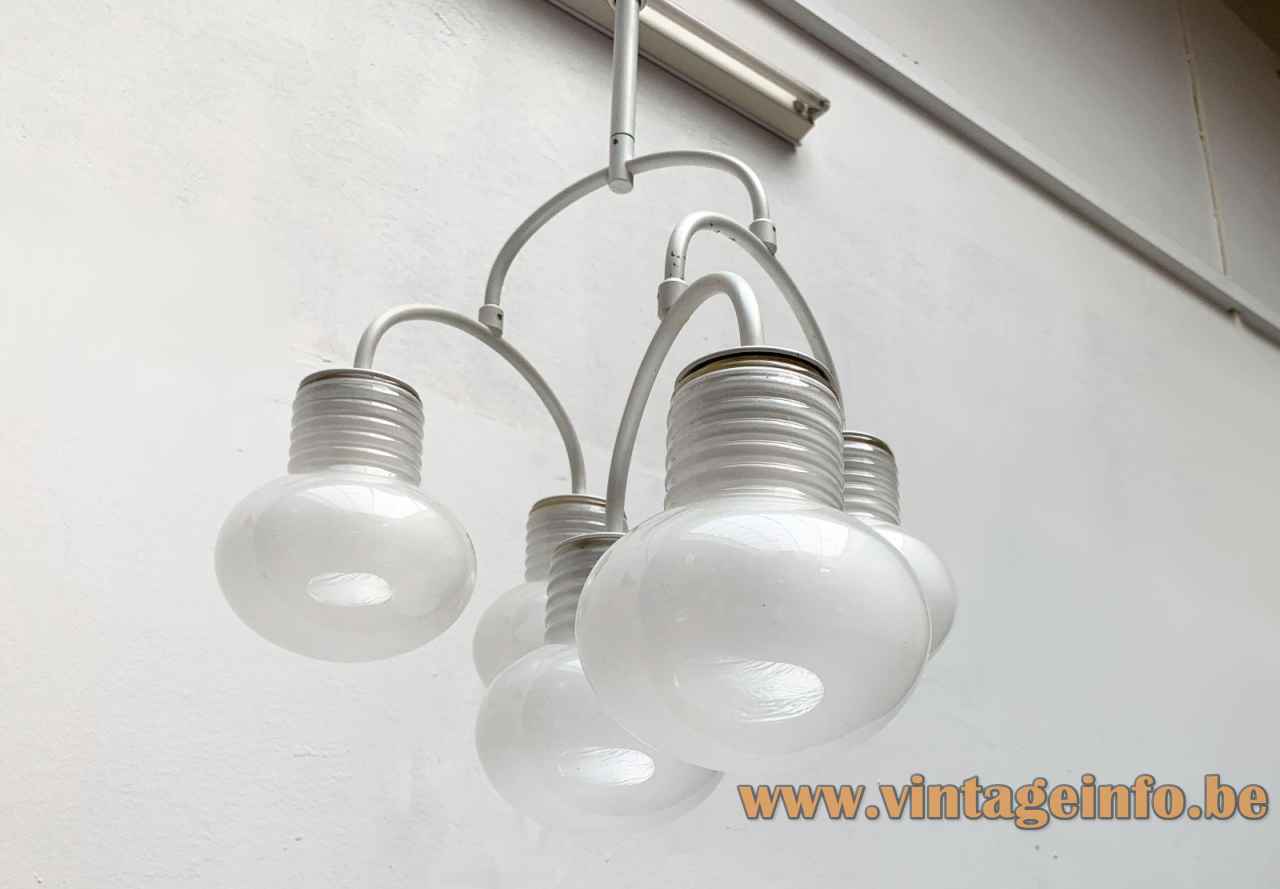
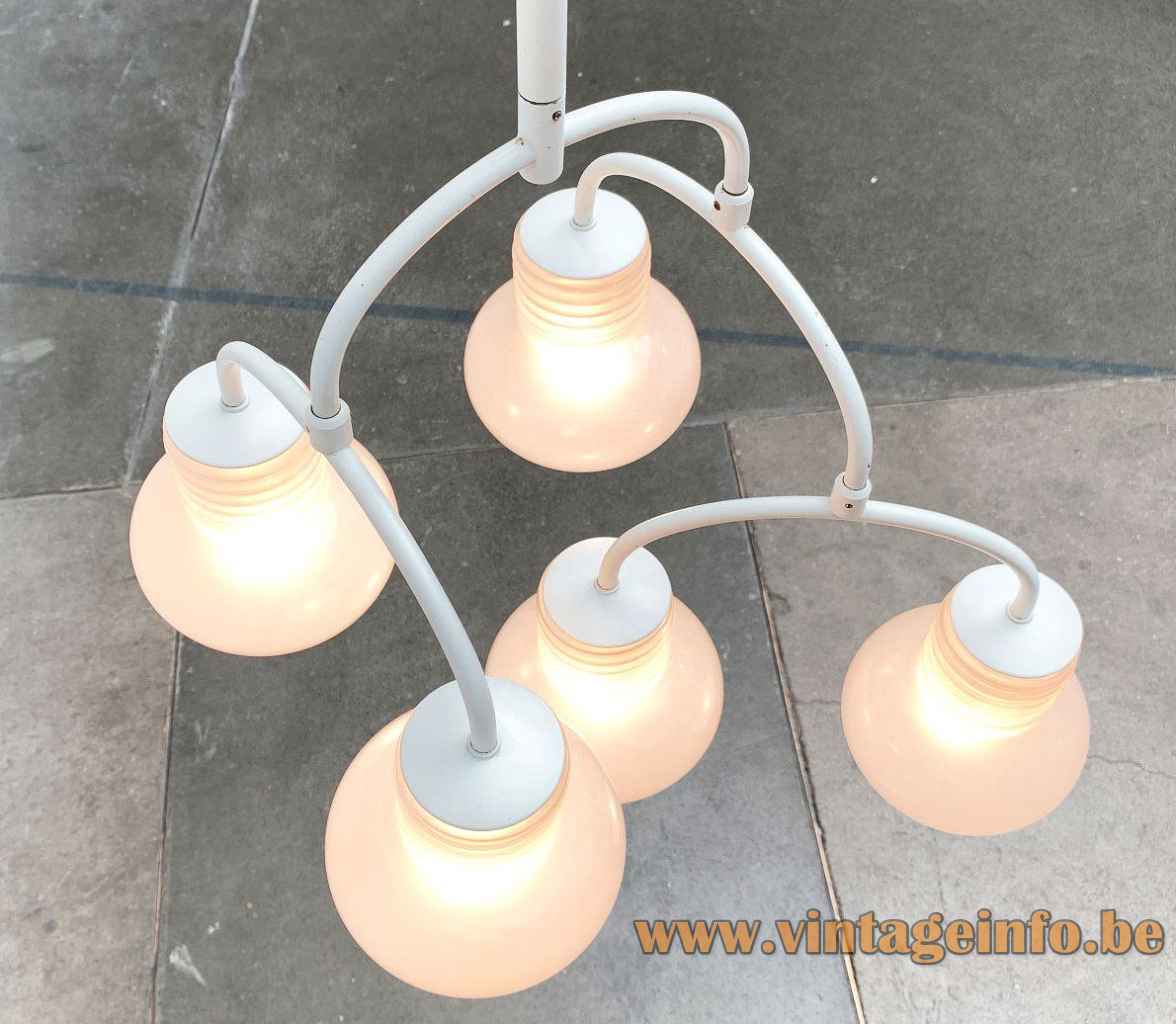
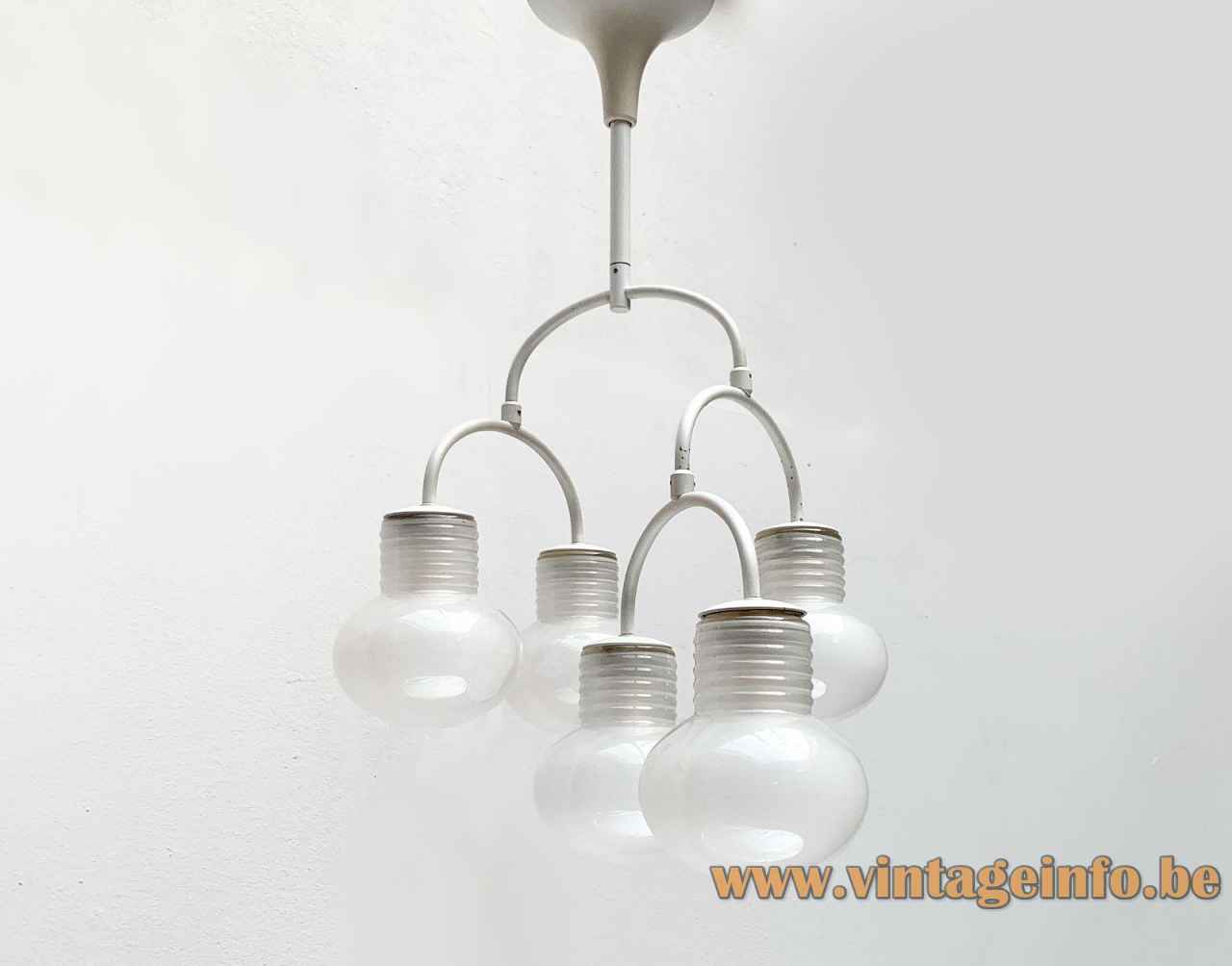
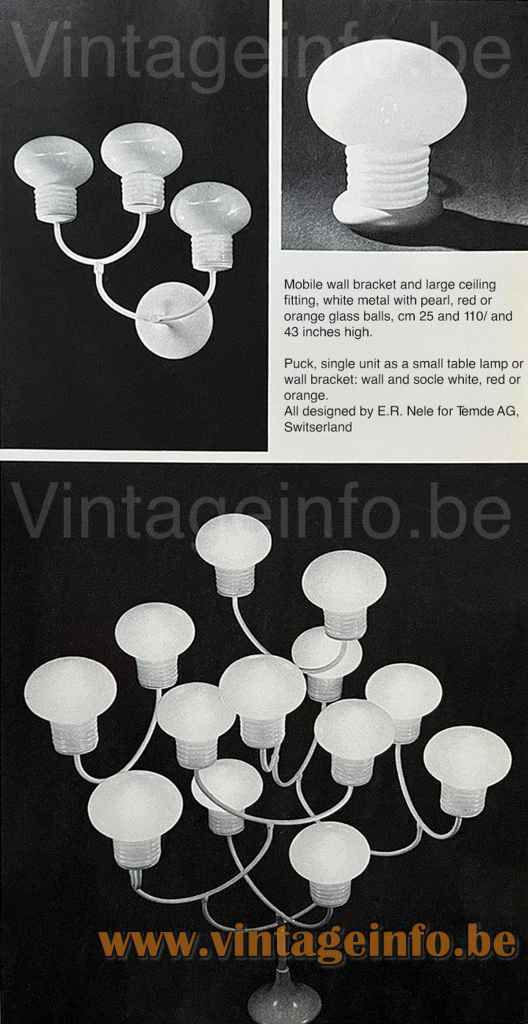
1960s Temde Bulbs Chandelier – 1971 Catalogue Picture
1960s Temde Bulbs Chandelier – Orange Version
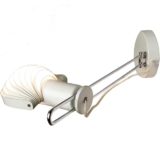
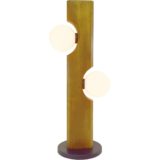
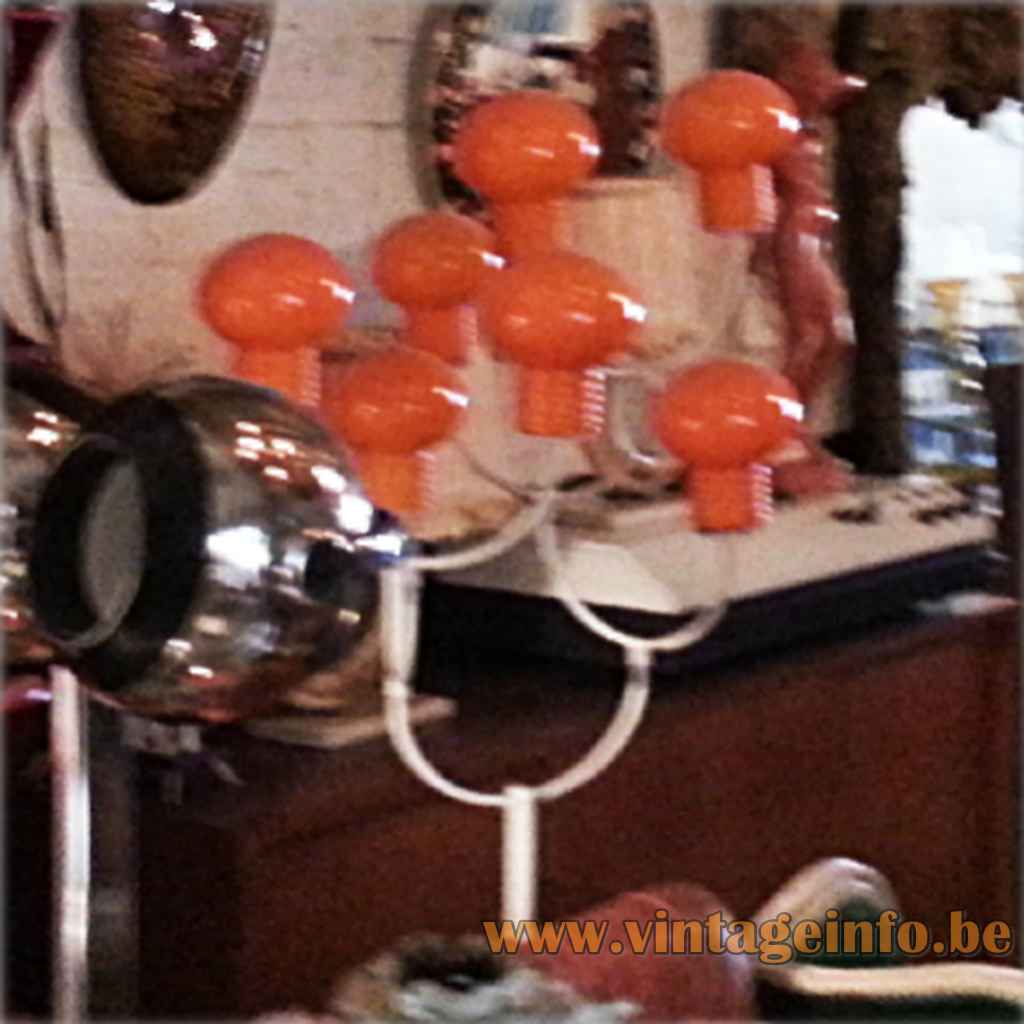
Large orange version and floor lamp. These poor-quality photographs were taken many years ago in a shop in Antwerp.
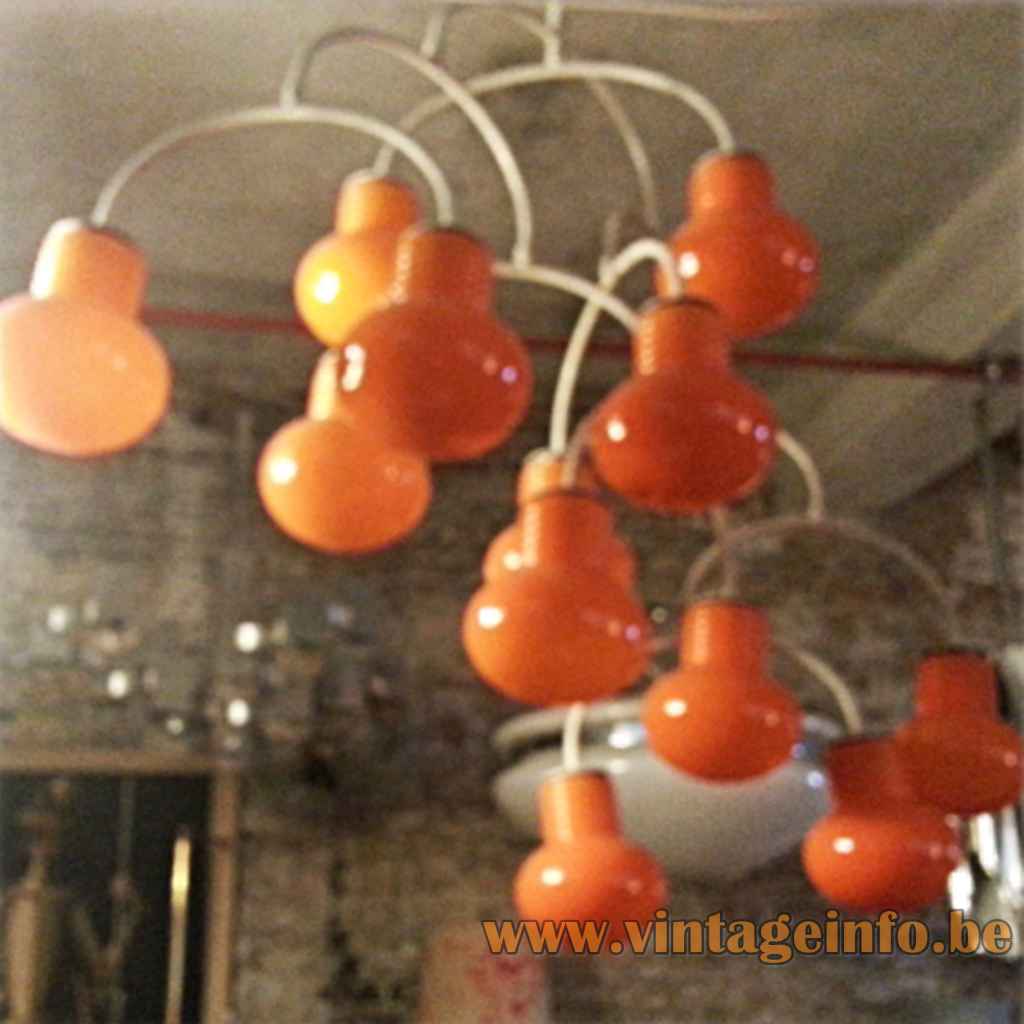
Many thanks to Frank from nullviernull raum+kommunikation for the pictures. You can find his shop over here on Pamono.
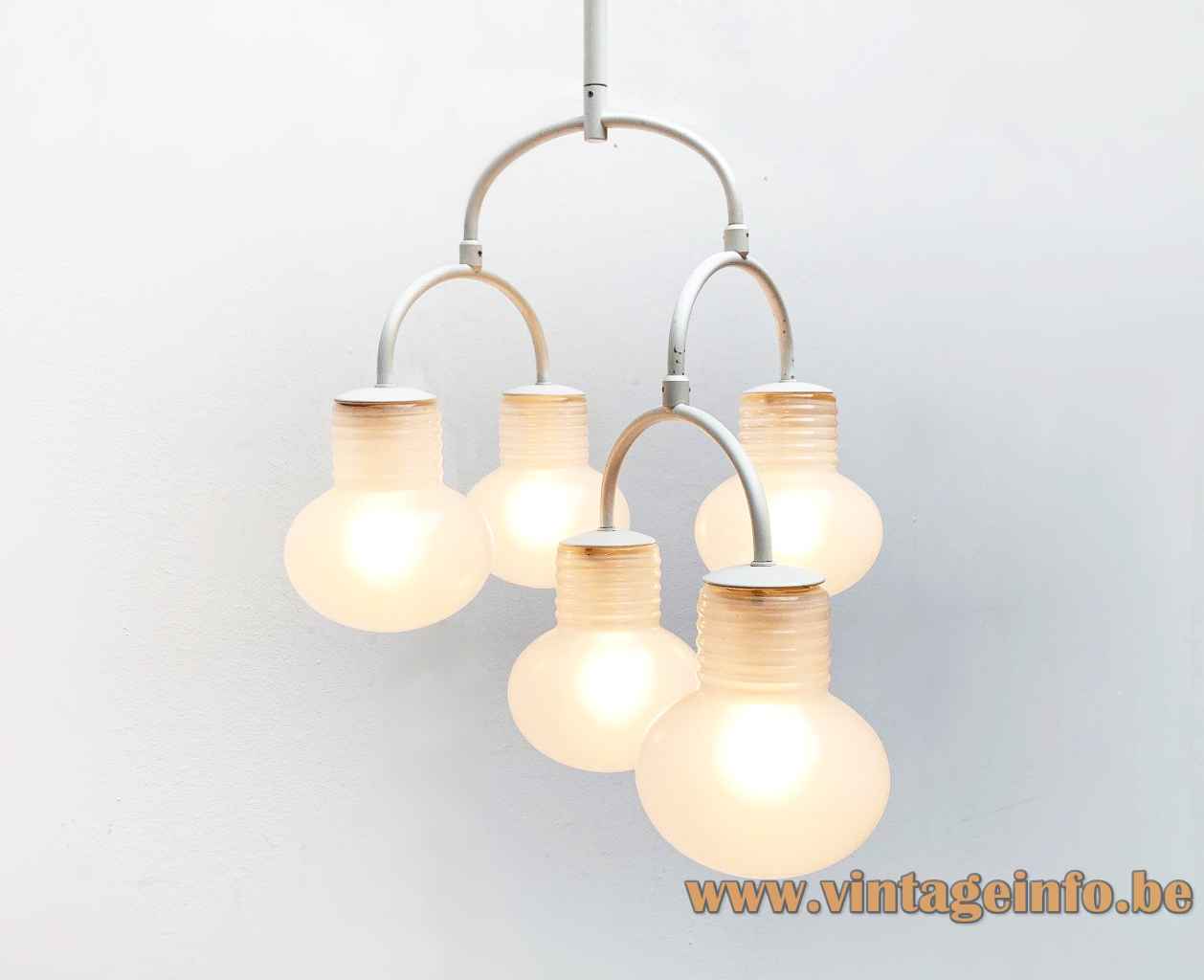
1960s Temde Bulbs Chandelier
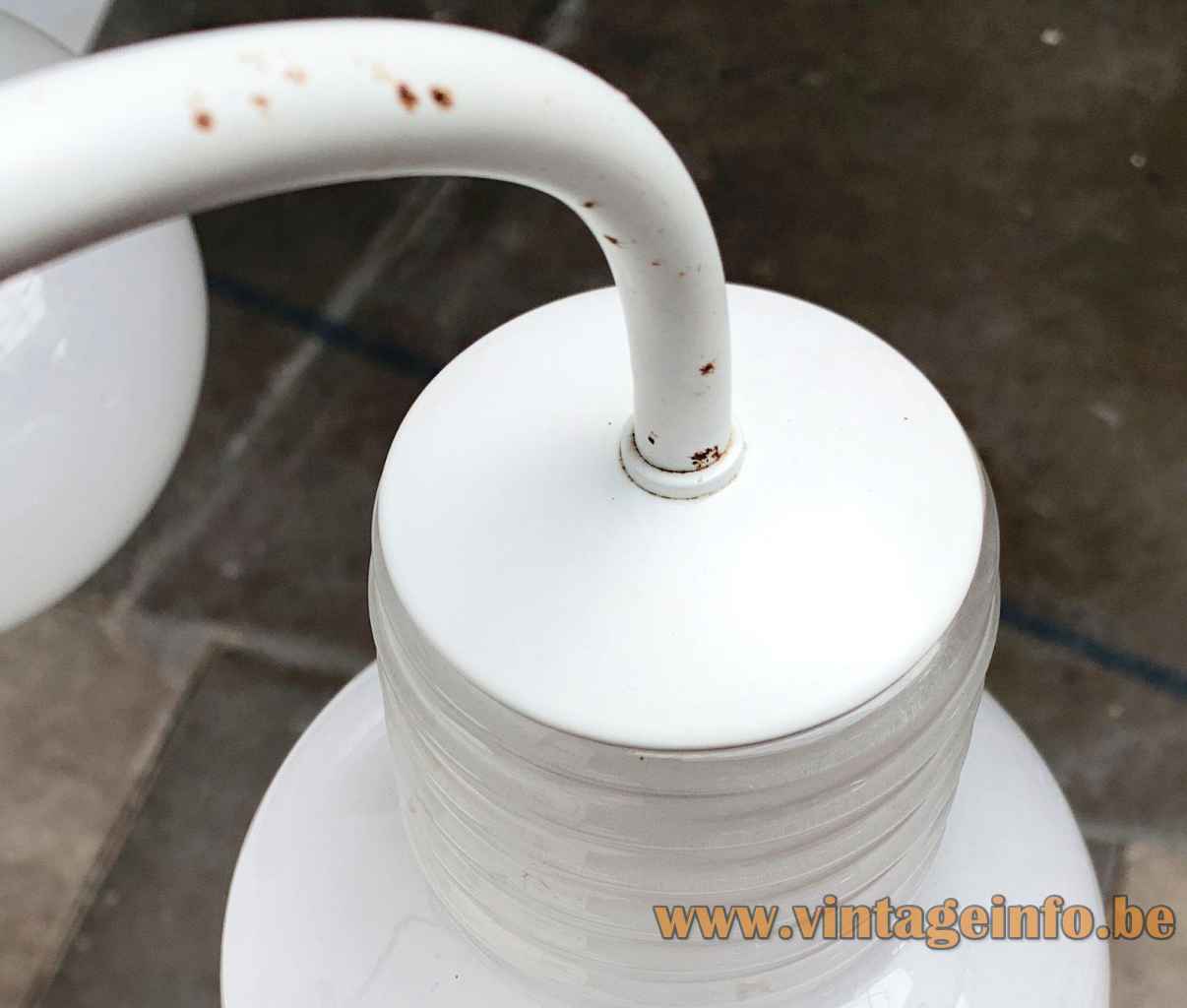
Materials: Round white painted metal canopy. White painted adjustable metal rods. Five light bulb style frosted opal glass lampshades. Some metal parts. Metal E14 sockets.
Height: 67 cm / 26.37”
Width: ∅ 52 cm / 20.47”
Electricity: 5 bulbs E14, 5 x 60 watt maximum, 110/220 volt.
No specific type of light bulb is required; different types can be used.
Period: 1960s, 1970s – Mid-Century Modern.
Designer: Eva Renée Nele.
Manufacturer: Theodor Müller & Co. Temde-Werk, Detmold, Germany, Switzerland.
Other versions: This 1960s Temde bulbs chandelier was produced in several colours and sizes, as shown below. It was also available as a floor lamp and a wall lamp.
In the US, Temde lamps were distributed by Koch + Lowy, as shown in the catalogue image below, which also gives the dimensions. Koch + Lowy used Temde’s own catalogue photographs in their advertisements and catalogues.
As the catalogue image dates from 1971, the design was probably introduced no earlier than around 1968.
Eva Renée Nele
Eva Renée Nele was born in Berlin, Germany, on 17 March 1932, and grew up in Kassel. She was the daughter of Arnold Bode, the founder of the first documenta exhibition in Kassel.
In 1951, she moved to London to study at the Central School of Arts and Crafts, where she came into contact with contemporary artists and designers. She then continued her training at Studio Lacourière in Paris, where she learned the copper intaglio process, and later studied under Hans Uhlmann at the Hochschule für Bildende Künste in Berlin. During those years, she also spent much time in workshops learning to work with steel and iron. Since women were not allowed to work in metal workshops at the time, she also attended a goldsmith class.
Eva Renée Nele became known as a highly versatile sculptor, metal artist, goldsmith, printmaker and designer. Her work includes large-scale sculptures, jewellery, graphics, installations and objects for interiors. The human figure remained a central theme throughout much of her oeuvre, often translated into metal with a strong emotional and psychological charge.
She was already involved in the early years of documenta through her father, and her own sculptural works were shown at documenta II in 1959 and documenta III in 1964. She later developed into an established artist with works shown in both museums and public space.
After completing her studies, she first lived in Munich, then in Zurich, and later settled in Frankfurt am Main, where she became an important part of the local cultural scene. She also taught metal sculpture in Frankfurt, Gießen and Salzburg.
Her work is represented in major collections, including the Peggy Guggenheim Collection in Venice. It has also been associated with institutions such as the Victoria and Albert Museum in London, the MMK Museum für Moderne Kunst in Frankfurt and the Neue Pinakothek in Munich.
In 2008, Eva Renée Nele was awarded the Goethe Plaque by the city of Frankfurt. She is also a recipient of the Hessian Cultural Prize.
A catalogue on her work, Yesterday & Tomorrow, was published in 2013.
According to information shared by the designer herself, Eva Renée Nele worked for Temde for around 20 years from the 1960s onwards. For the company’s Swiss branch in Sevelen, she developed a large number of modern lighting designs. She designed, among others, the Agita, Mandarin, Prisma, Neunauge and No-Lamp.
Her contribution to design extended beyond lighting alone. She also designed tables, jewellery, cutlery and interior-related objects, always with a sculptural sensitivity that connects her design work to her broader artistic practice.
The exhibition E. R. Nele. Contemporary Witness at the Museum Angewandte Kunst in Frankfurt, held in 2022–2023 on the occasion of her 90th birthday, underlined once again how broad and important her work has been, both as an artist and as a designer.
Temde-Leuchten
Temde-Leuchten, also known as Temde AG, was a German-Swiss manufacturer of lighting fixtures, with its main seat in Detmold, Germany, and a Swiss branch in Sevelen, in the canton of St. Gallen.
The company was founded in 1911 by Fritz Müller (1889–1964), the son of a furniture maker from the Lippe region. The name TEMDE was derived from Theodor Müller, the founder’s father, combined with Detmold.
In its early years, Temde specialised in wooden lamps. The combination of electric lighting and natural materials suited the interior taste of the period and became an important part of the company’s identity. Besides residential lighting, Temde also produced custom lighting for hotels, restaurants, churches and other public buildings.
From the 1930s onwards, the company also produced lighting in more modern materials such as chrome and glass, although wood remained strongly associated with the brand.
In the post-war years, traditional wooden lamp production became more difficult because of material shortages and uncertain market conditions. Temde responded by developing new lighting concepts based on pressed wood, veneered elements and mixed-material constructions. By the mid-1950s, the company offered around 250 basic models.
During the 1970s, Temde increasingly moved towards a more modern style, with a stronger use of metal, glass and plastic.
Temde filed for bankruptcy in 1986. The Swiss branch, Temde AG, continued for some years afterwards and was removed from the Swiss commercial register in 2000.
Some designers who worked for the company include Charles Keller, Max Rutz, Wilhelm Vest, H. Zehnder and Eva Renée Nele.
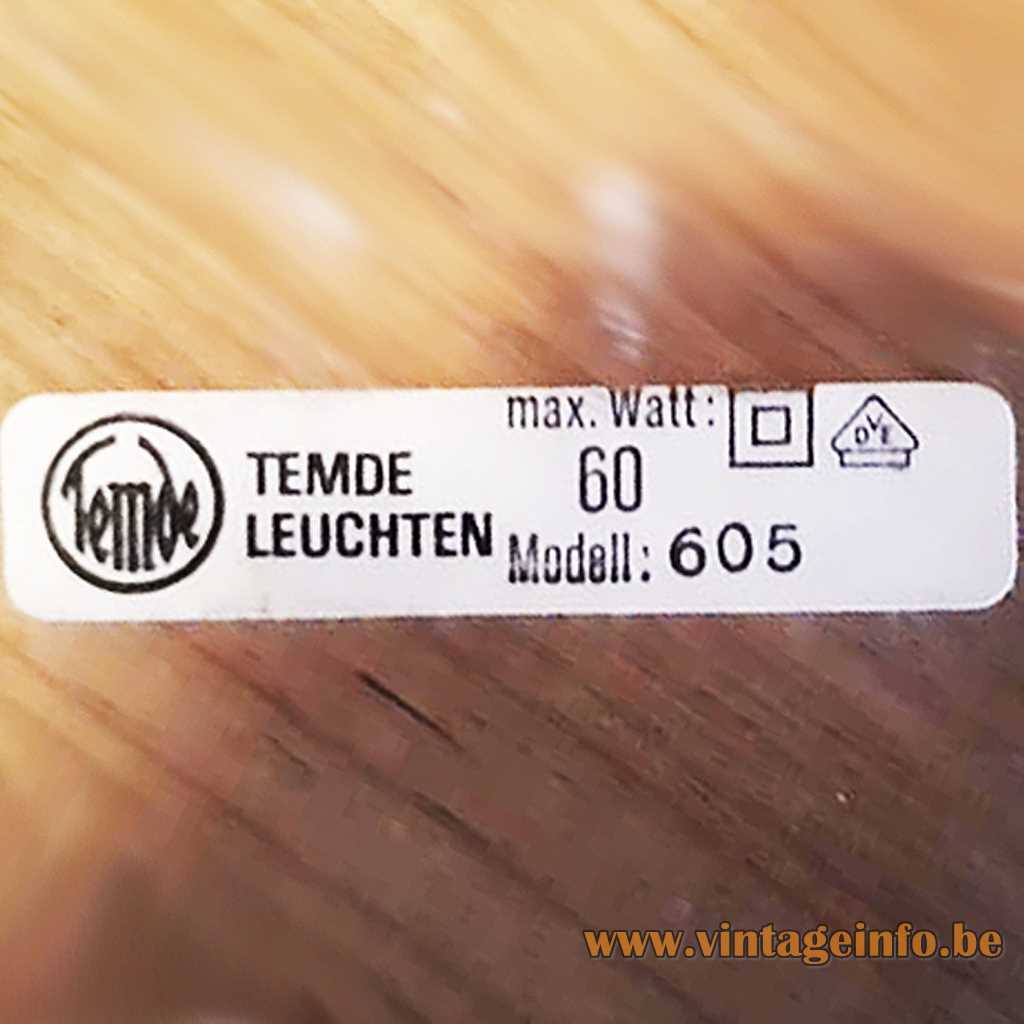
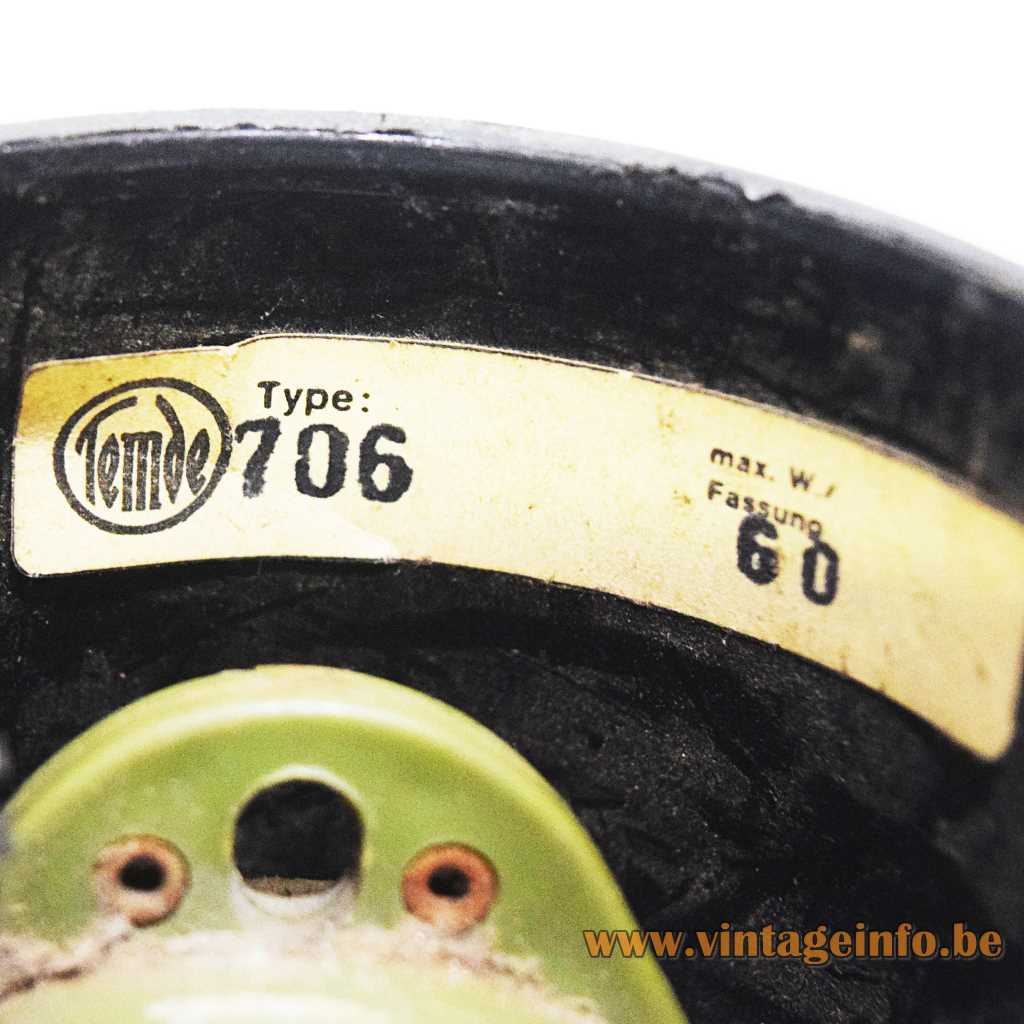
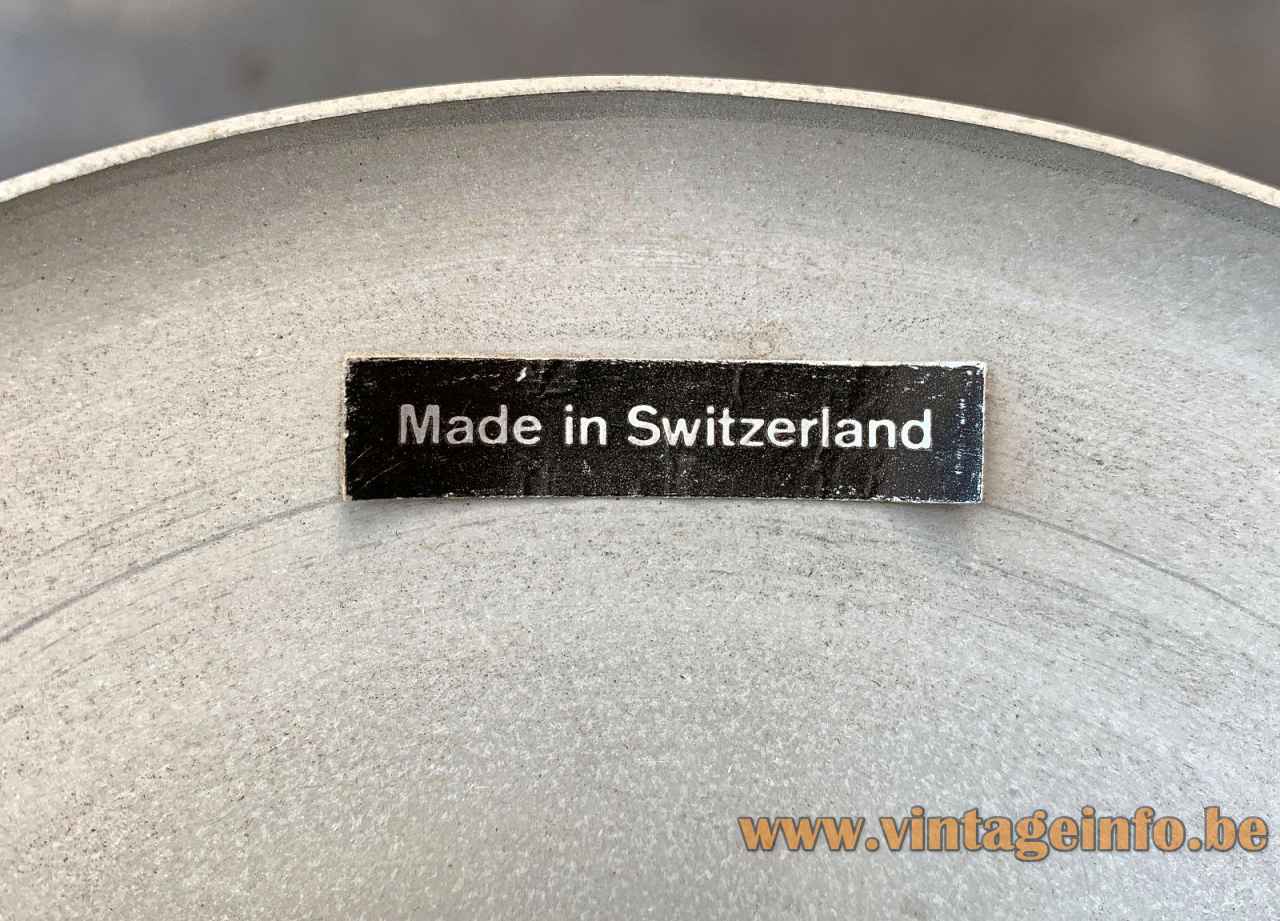
1960s Temde Bulbs Chandelier – Company Labels