- Categories
- Categories
Last 5 Viewed
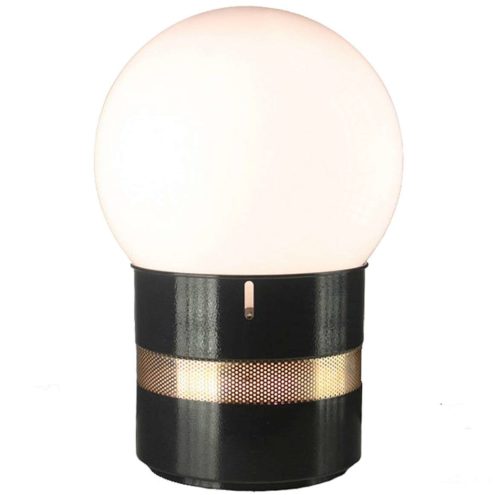
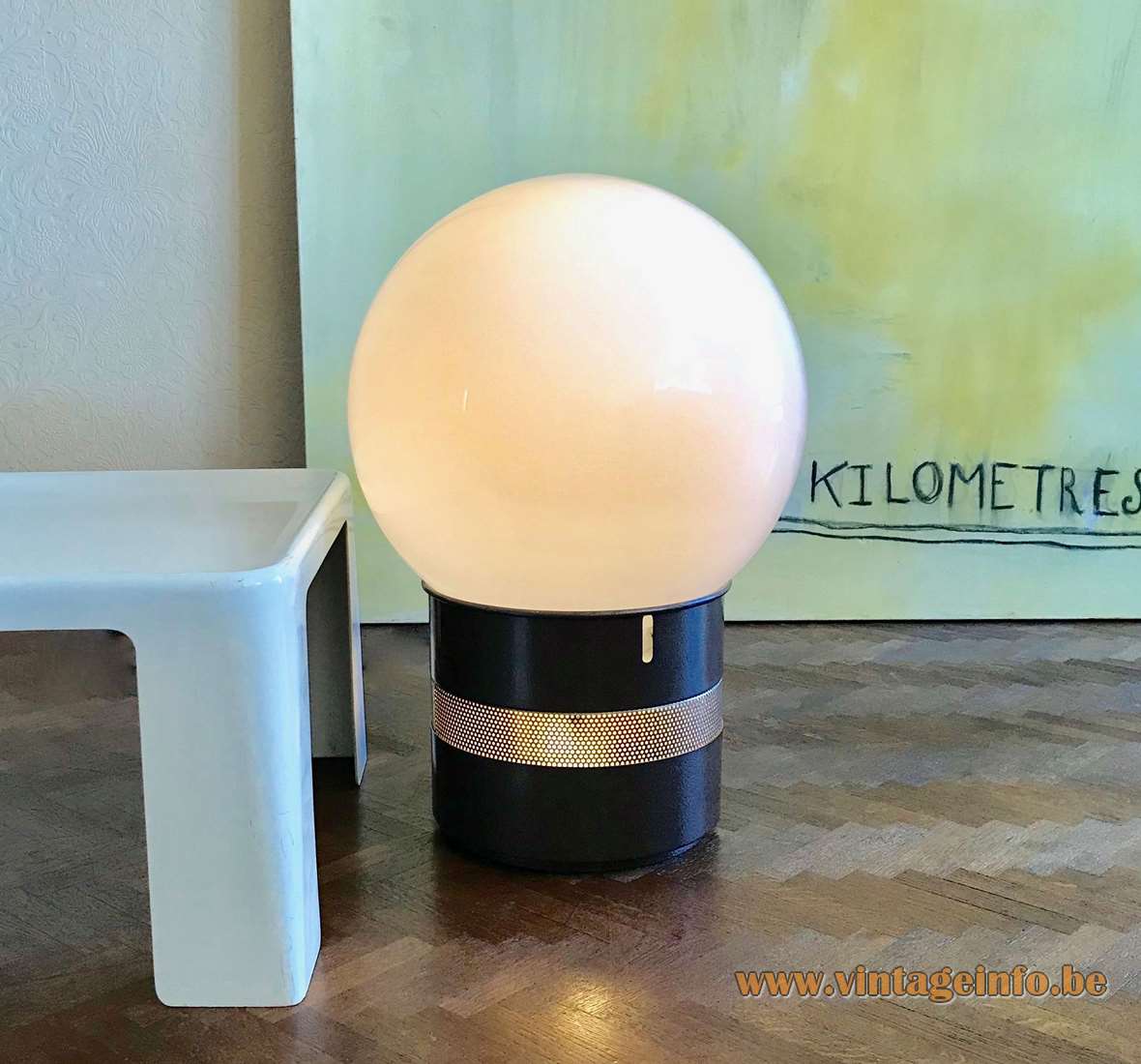
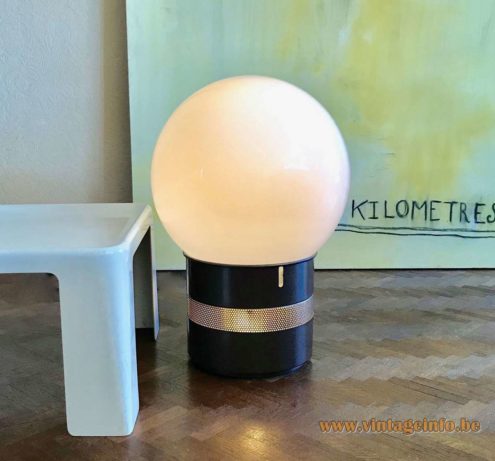
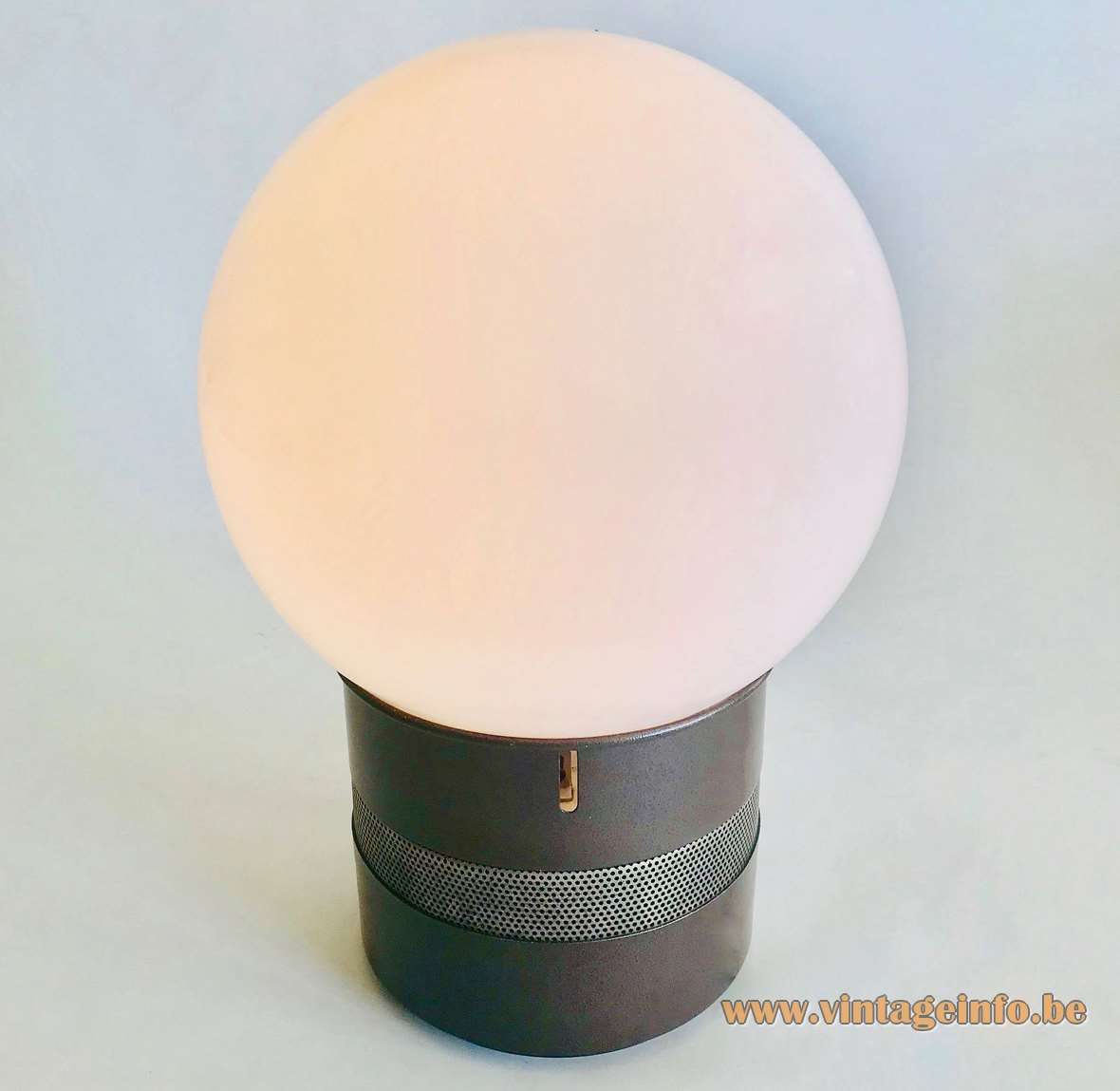
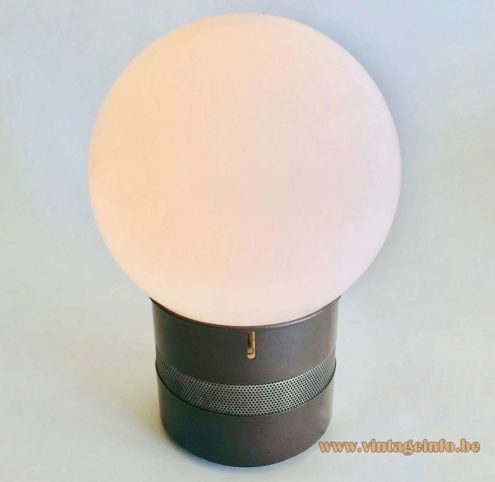
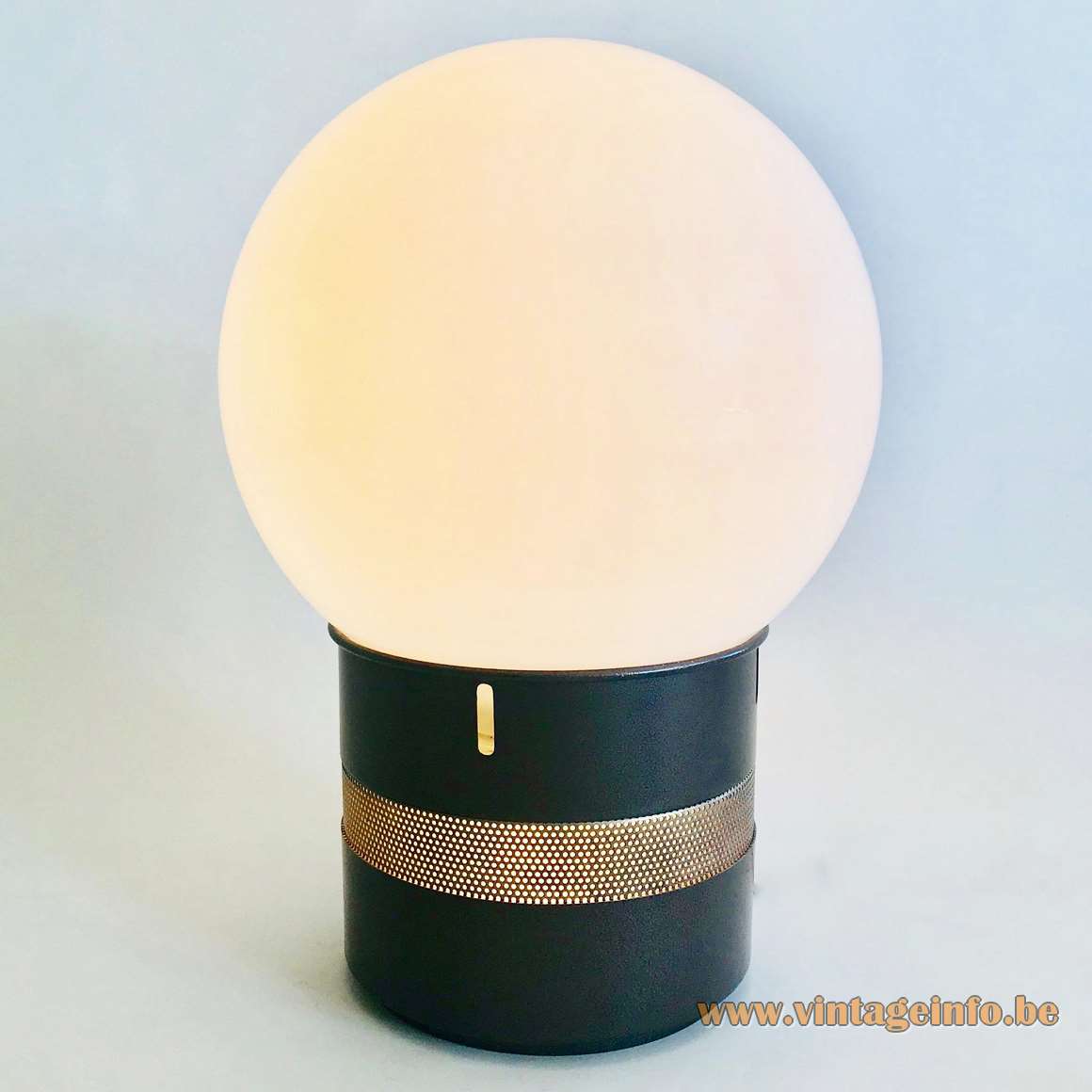
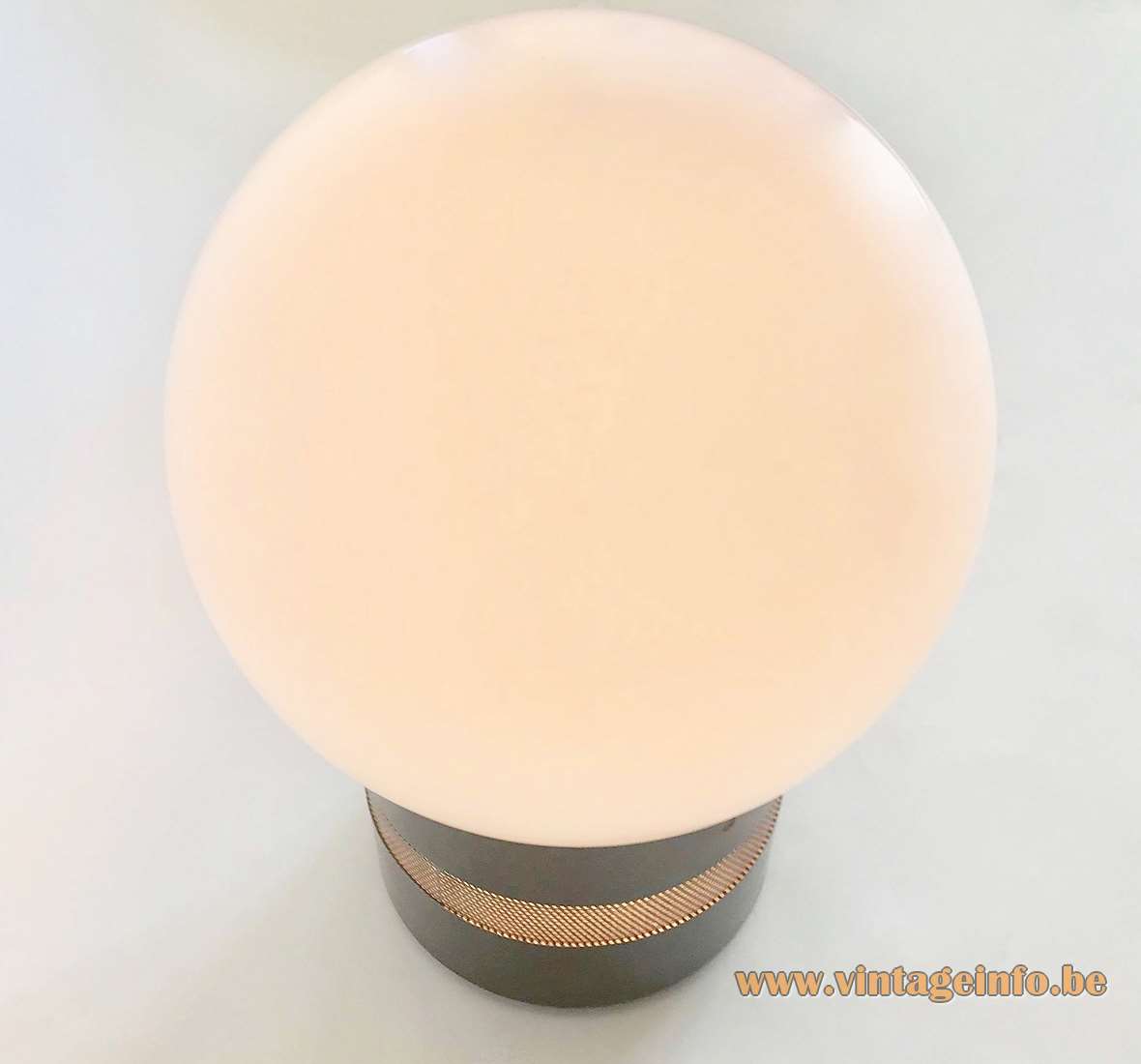
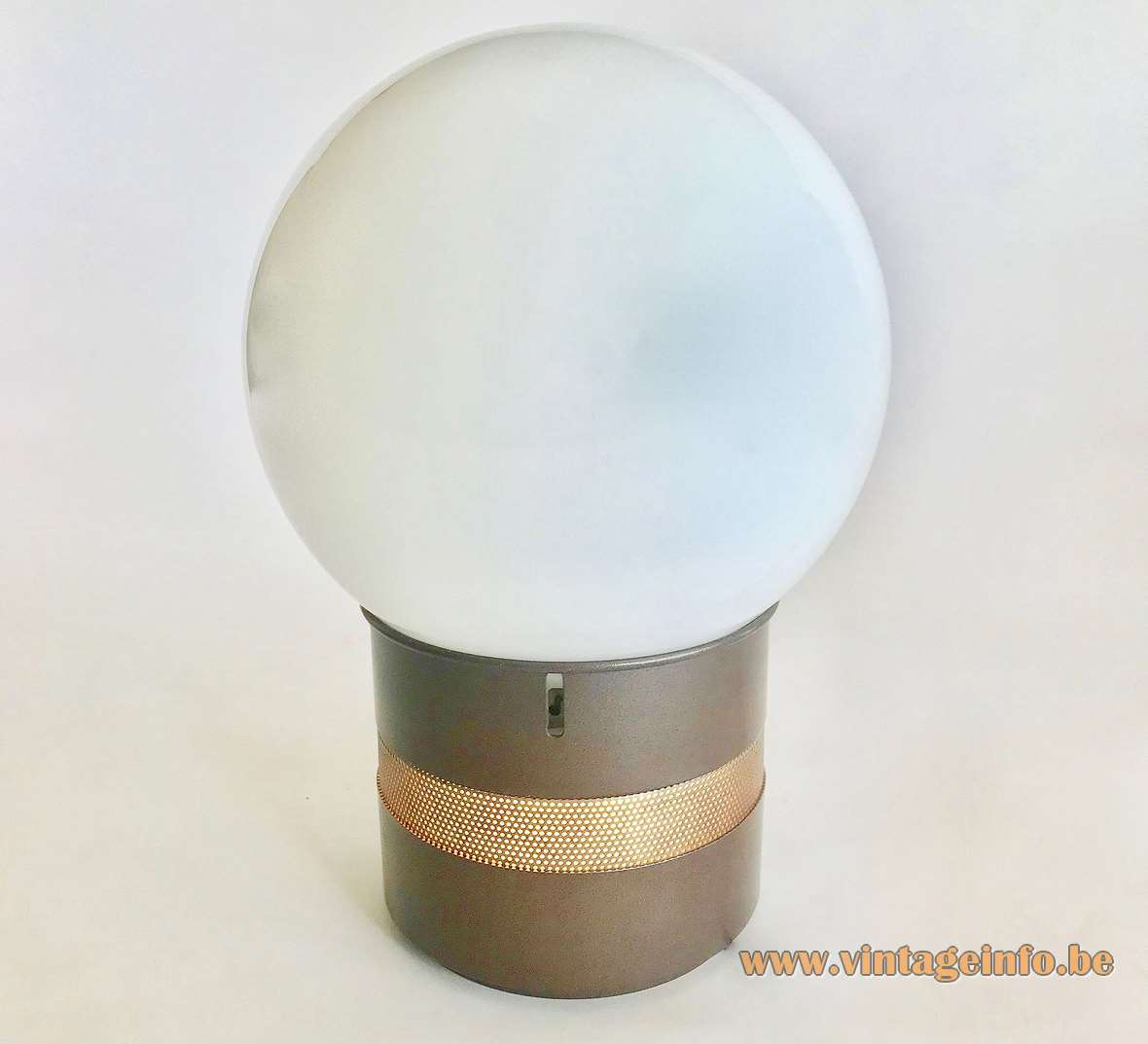
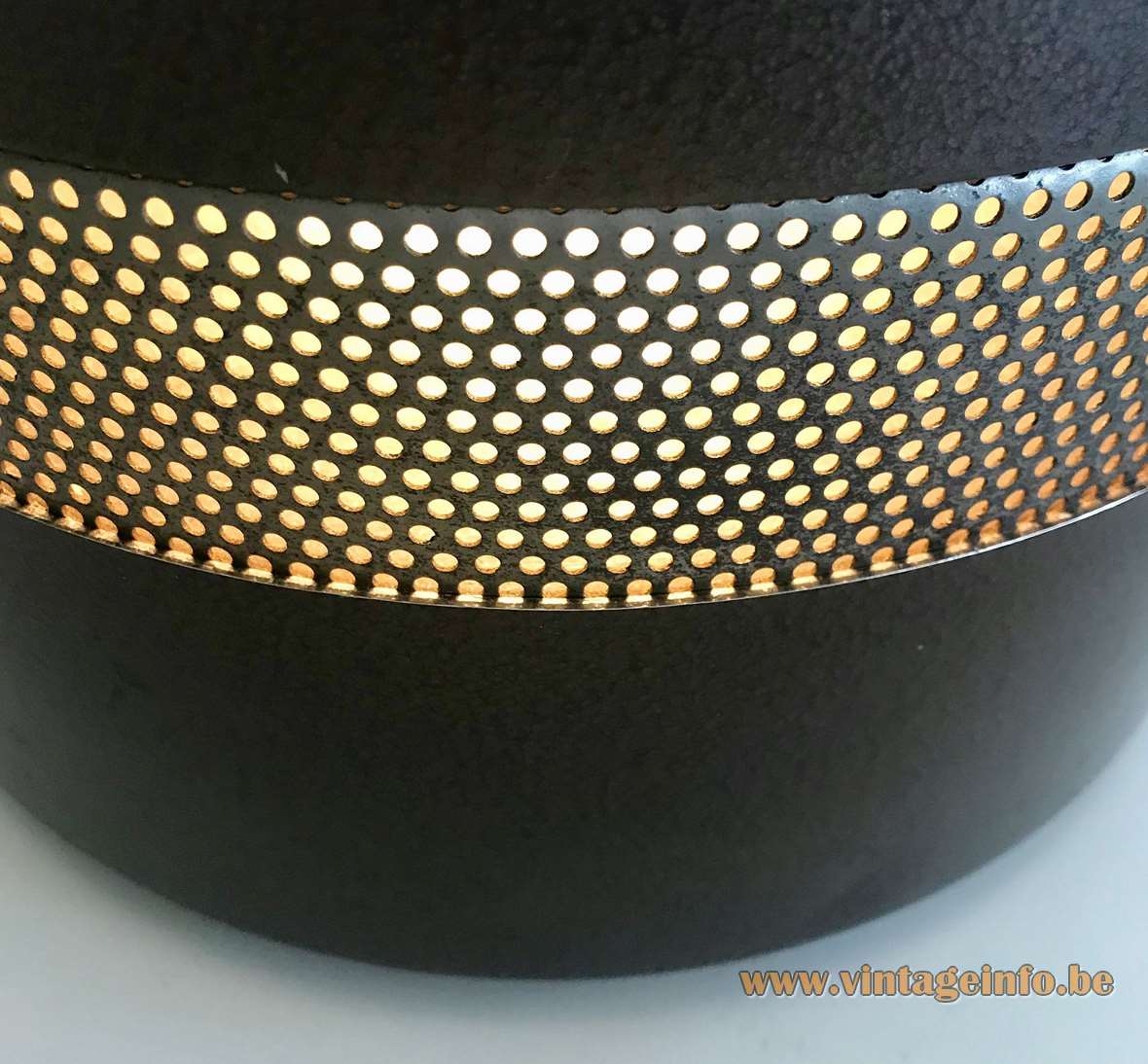
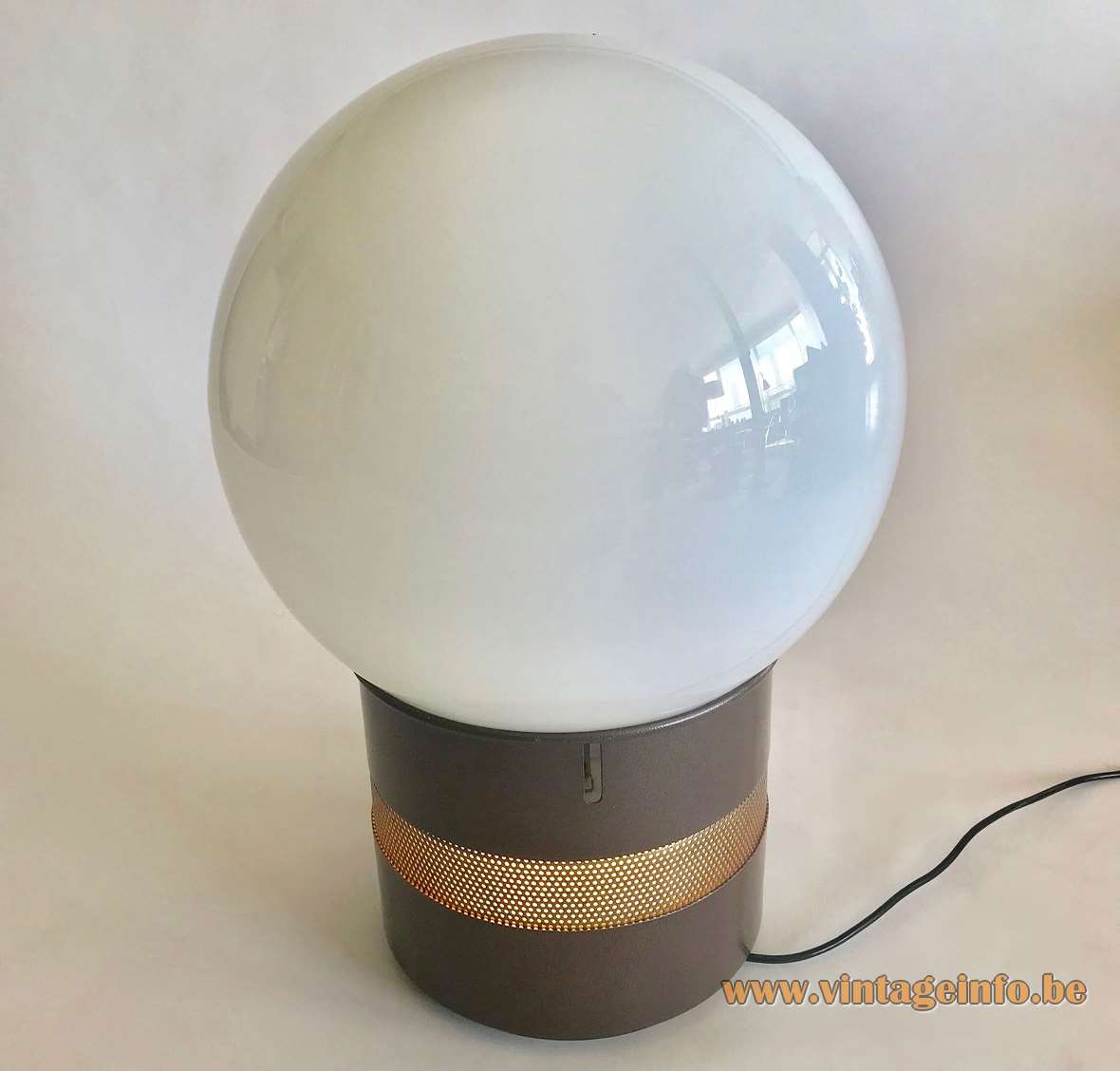
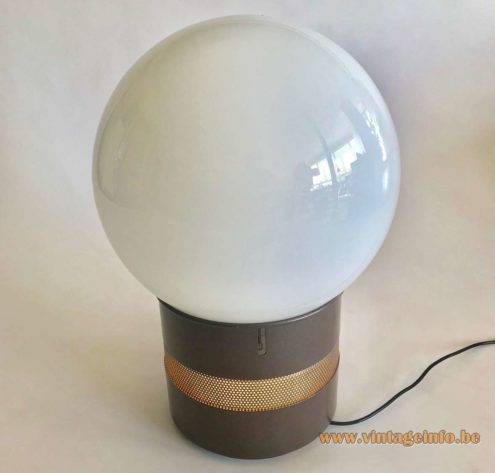
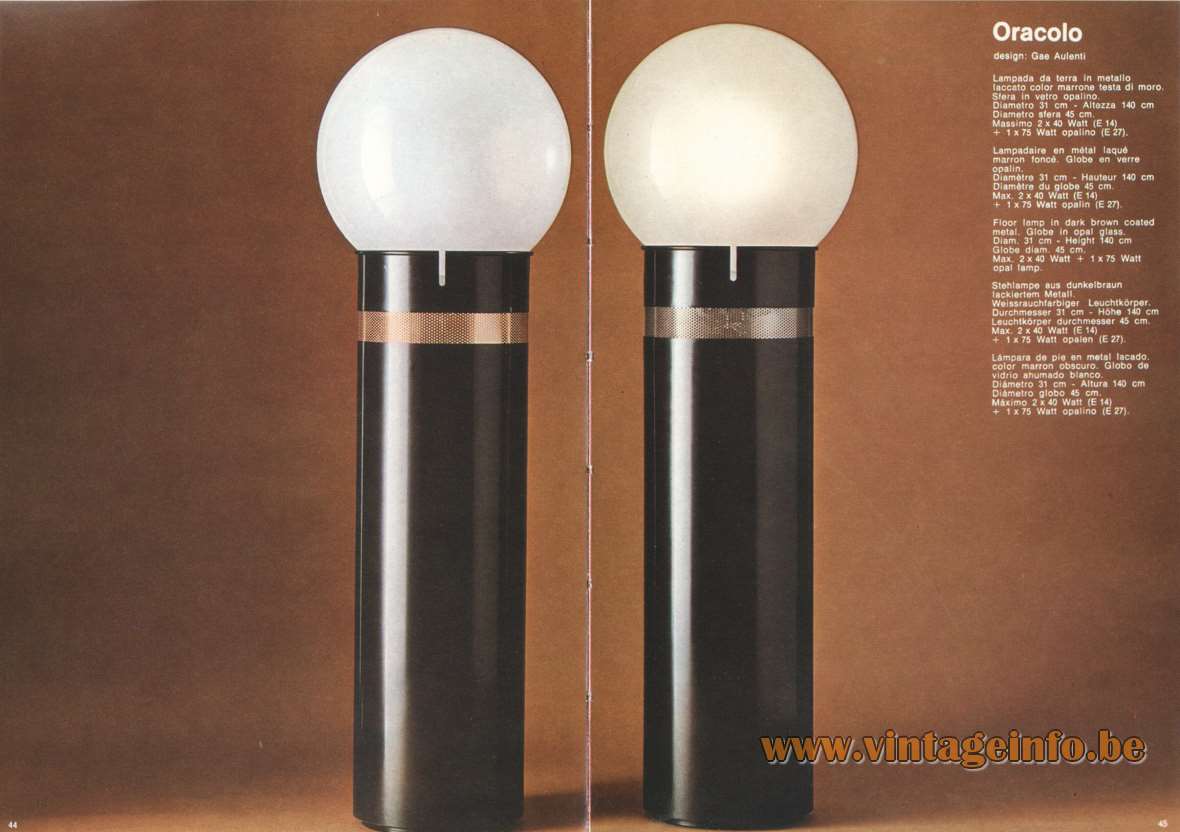
Gae Aulenti Mezzoracolo Table or Floor Lamp
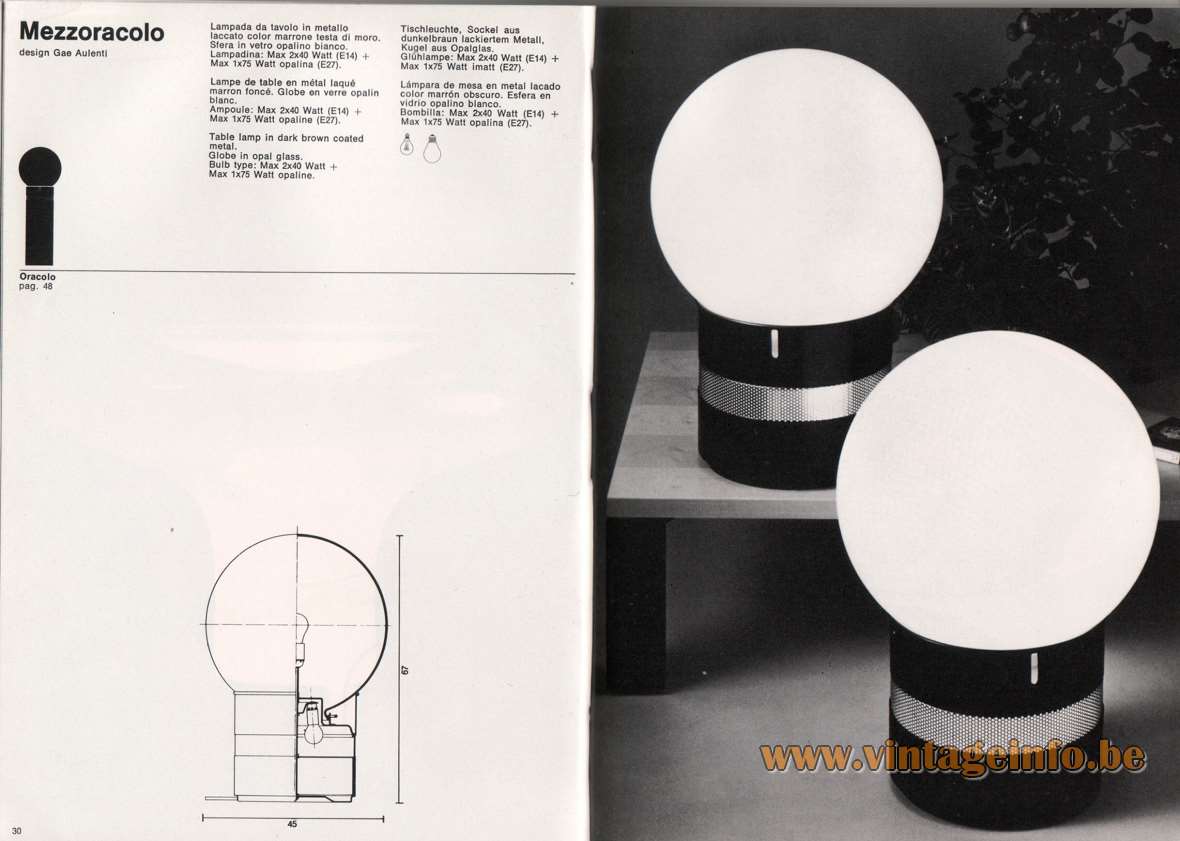
1969 Design – 1976 Artemide Catalogue Picture
Lamps In The Movies
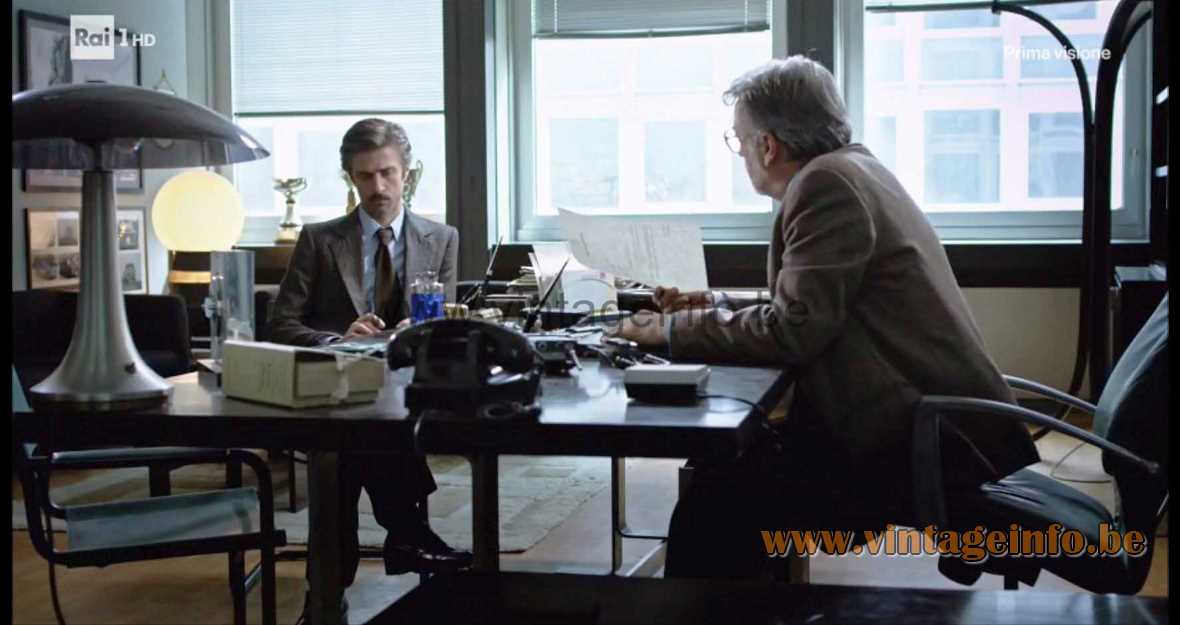
Maltese – Il Romanzo del Commissario (2017) TV Series
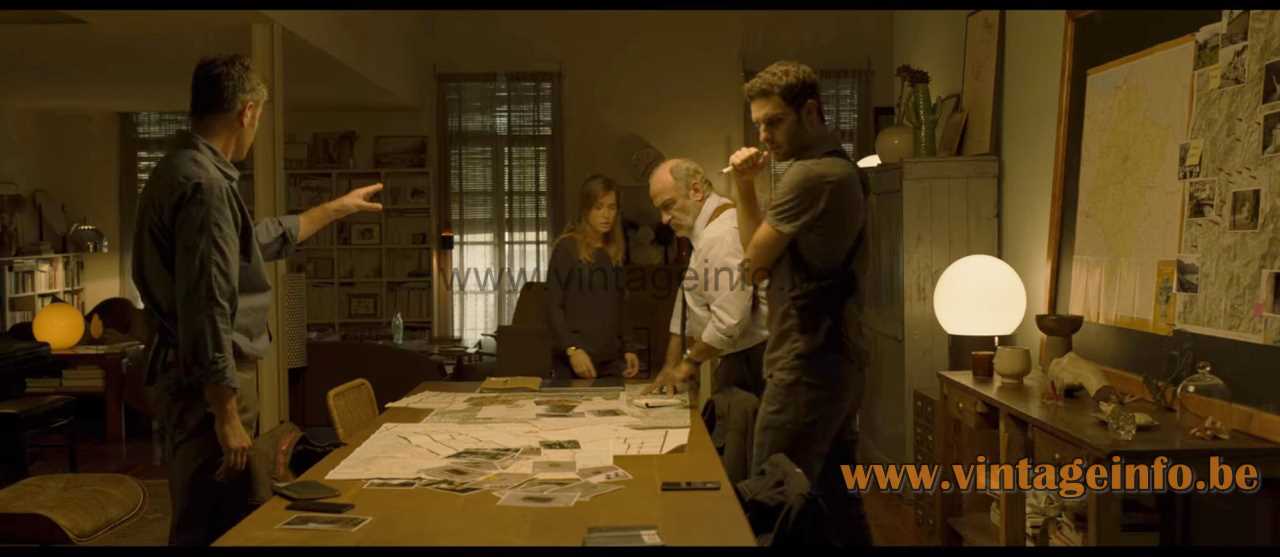
A Gae Aulenti Mezzoracolo table or floor lamp was used as a set decoration in the Italian crime TV mini series Maltese – Il Romanzo del Commissario from 2017. Starring Kim Rossi Stuart and Rike Schmid. The table lamp in front on the table is made by Stilux.
Ofrenda A La Tormenta (2020) Film
A Gae Aulenti Mezzoracolo table or floor lamp was used as a set decoration in the 2020Spanish-German crime film Ofrenda A La Tormenta (Offering to the Storm). It is the third and final instalment in the Baztán Trilogy. In all 3 films many lamps appear. Although it is almost an overkill in this last film. Starring Marta Etura, Leonardo Sbaraglia and Paco Tous.
Teléthon TV Charity Event 2019
A Gae Aulenti Mezzoracolo table or floor lamp together with the Oracolo floor lamp were used to decorate the stage of the Teléthon charity event broadcast in December 2019 on the French TV station France 3.

Links (external links open in a new window)
Gae Aulenti – Martinelli Luce website
Artemide design in the MoMA – Museum of Modern Art NY
Maltese – Il Romanzo del Commissario (2017) – IMDb
Ofrenda A La Tormenta (2020) – Wikipedia
Ofrenda A La Tormenta (2020) – IMDb
Téléthon charity event – Wikipedia (in French)
Vintageinfo
Pileino table lamp – Gae Aulenti design
Mezzopileo table lamp – Gae Aulenti design
1976 Artemide Catalogue Studio A
Martinelli Luce Pipistrello table lamp – Gae Aulenti design
Other lamps in the film Ofrenda A La Tormenta
Harvey Guzzini Quadrifoglio lamp – not a Gae Aulenti design
Many thanks to Hans from Objeta for the beautiful pictures and the enthusiasm.
Gae Aulenti Mezzoracolo Table or Floor Lamp
Materials: Perforated round tubular base in dark brown coated metal with hammer-blow paint. White opal glass globe lampshade. Bakelite E14 sockets.
Globe: ∅ 45 cm / 17.71”
Height: 67 cm / 26.37”
Base: ∅ 31 cm / 12.20”
Electricity: 2 bulbs E14, 2 x 40 watt, 1 bulb E27, 1 x 75 watt maximum. 110/220 volt.
Any type of light bulb can be used, but a white/opal/frosted bulb is preferred.
Period: 1970s – Mid-Century Modern.
Designer: Gae Aulenti in 1969.
Manufacturer: Artemide, Pregnana Milanese, near Milan, Italy.
Other versions: Made in two versions. A bigger floor lamp was made, it is named Oracolo (Oracle). It is 140 cm / 55.11”. This one is Mezzoracolo (Half Oracle). The Mezzoracolo was intended as a table lamp but most people use it as a floor lamp. Designed in 1969, it appears for the first time in the 1970 Artemide catalogue.
Gae Aulenti
Gae Aulenti (born 4 December 1927 as Gaetana Emilia Aulenti in Palazzolo dello Stella, Italy, about 90 km (56 miles) from Venice) was one of the most influential Italian architects and designers of the post-war period. She studied architecture at the Politecnico di Milano, where she graduated in 1954.
Aulenti began her career as an architect and freelance designer, working across architecture, interior design, furniture, exhibition design, and lighting. From the very beginning, her work was characterised by a strong architectural approach, sculptural forms, and a refusal to follow fleeting trends. She designed interiors, furniture, and industrial objects for major international companies such as Fiat, Pirelli, Olivetti, Knoll International, Ideal Standard, Zanotta, and Louis Vuitton, among many others.
Alongside her architectural work, Gae Aulenti made a significant contribution to lighting design. She created lamps for manufacturers including Artemide, Vistosi, Candle, Fontana Arte, iGuzzini, Poltronova, Stilnovo, and Martinelli Luce. Her lighting designs often reflect architectural thinking: solid, almost monumental forms combined with refined control of light and material.
Misattributions
Several lamps are frequently and incorrectly attributed to Gae Aulenti. The Harvey Guzzini Quadrifoglio is not one of her designs, despite being wrongly credited to her in a number of publications. Aulenti only began working with iGuzzini in 1983, when she collaborated with Piero Castiglioni on the industrial Cestello lamp, designed for Palazzo Grassi in Venice, and in production in 1985. This was around fifteen years after the Quadrifoglio had already been designed by Studio 6G, the in-house Harvey Guzzini design team.
The Neverrino lamp series by Vistosi is another recurring misattribution. These lamps were designed by Luciano Vistosi, not by Aulenti. The confusion likely arises from their speckled glass surface, which visually recalls the Glicine lamps that Aulenti did design.
Lamps for Artemide
For Artemide, Gae Aulenti designed a limited but highly distinctive group of lamps. These include this Oracolo and Mezzoracolo table and floor lamps from 1969, followed by the Pileino table or wall lamp, the Mezzopileo table lamp, and the Pileo floor lamp series in 1972. Her later designs for Artemide include the sculptural Patroclo table lamp and the Alcinoo table lamp, both created in 1975, which stand among her most recognisable lighting works.
Architecture, exhibitions, and legacy
Beyond product design, Aulenti achieved international acclaim for her architectural and museum projects. Among her most important works are the transformation of the Musée d’Orsay in Paris (1980–1986), the renovation of Palazzo Grassi in Venice, and the design of major exhibition spaces and cultural institutions across Europe, the United States, and Asia. She also designed furniture and interiors that bridged modernism with historical context, often reinterpreting classical forms in a contemporary way.
Gae Aulenti received numerous awards and honours throughout her career and is widely regarded as one of the most important Italian designers and architects after the Second World War. She died in Milan on 31 October 2012, aged 84, leaving behind an exceptionally broad and influential body of work.
Gae Aulenti Mezzoracolo Table or Floor Lamp – Design: Gae Aulenti – Catalogue 1973

Artemide
In 1960, near Milan, Ernesto Gismondi and Sergio Mazza laid the foundation of Artemide. Right from the start, the company combined technological research with a strong sense of Italian design. Their very first iconic lamp was the Alfa — hence the name — designed around 1959–1960. Emma Schweinberger, Gismondo’s wife, designed the Chi table lamp in 1962. From there, Artemide quickly began collaborating with leading designers. The mid-1960s saw the company make waves with Vico Magistretti’s Eclisse, awarded in 1967, as well as Enzo Mari’s early contributions such as the Polluce floor lamp, designed together with Anna Fasolis in 1965. The Dalù table lamp (1966 – Vico Magistretti) and the Nesso (1965), designed by Giancarlo Mattioli & Gruppo Architetti Urbanisti Città Nuova, further established Artemide’s reputation during this formative decade. Other notable designs from the late 1960s include the Lesbo table lamp, a 1967 design by Angelo Mangiarotti, Vico Magistretti’s Telegono (1968), the Pallade pendant by Studio Tetrarch, the Electra table lamp, designed by Giuliana Gramigna in 1968, all reflecting the experimental spirit of the era.
As the 1970s arrived, Artemide introduced what would become one of its most recognisable icons: the Tizio desk lamp, designed by Richard Sapper in 1972. Around the same period, Gae Aulenti designed the Pileino and Mezzopileo lamps, followed by Mezzoracolo in 1973. The famous Sintesi lamp series was designed by Ernesto Gismondi in 1975 and the Area 50 lamp series, a Mario Bellini design from 1975. The decade also saw the introduction of the Onfale lamp in 1978, designed by Luciano Vistosi, marking Artemide’s growing interest in glass and sculptural forms.
The 1980s marked a phase of international expansion. By 1980, Artemide had established a presence in the United States and continued to attract prominent designers, including Ettore Sottsass. His Callimaco floor lamp and Pausania table lamp, both designed during the 1980s, became distinctive statements within Artemide’s catalogue. Other important designs from this decade include the Polifemo floor lamp by Carlo Forcolini (1983). In 1987, Artemide launched the Tolomeo, designed by Michele De Lucchi and Giancarlo Fassina, which quickly became an icon of functional and timeless design.
During the 1990s, Artemide further expanded its scope by acquiring VeArt, bringing Murano glass expertise into the company. In 1996, Artemide introduced its “The Human Light” philosophy, focusing on the relationship between light, people and their environment. By the late 1990s, Artemide Architectural was established, bridging product design and large-scale architectural lighting projects. From the 2000s onward, Artemide increasingly focused on LED innovation while reissuing its historic designs within the “Modern Classic” collection.
In essence, Artemide represents a rich tapestry of Italian lighting history. Whether defined by the minimalist engineering of the Tizio, the organic curves of the Nesso, or the expressive presence of the Callimaco, Artemide has consistently blended design innovation with a deeply human approach to light. It is precisely this balance that makes these lamps — including the Pausania and many others — enduring icons of modern design.
Designers that collaborated with Artemide include, among others, Vico Magistretti, Emma Schweinberger, Gae Aulenti, Richard Sapper, Michele De Lucchi, Giancarlo Fassina, Ettore Sottsass, Enzo Mari, Gio Ponti, Sergio Mazza, Angelo Mangiarotti, Joe Colombo, Sergio Asti, Sergio Favre, Mario Marenco, Adelaide Bonati, Silvio Bonatti, Enrico De Munari, Carla Federspiel, Livio Castiglioni, Piero Castiglioni, Nanda Vigo, Luigi Caccia Dominioni, Mario Botta, Carlo Forcolini, Luciano Vistosi, Neri&Hu, Carlotta de Bevilacqua, Jean Nouvel, Karim Rashid, Neil Poulton, Studio Tetrarch, Zaha Hadid, Ron Arad, Herzog & de Meuron, Issey Miyake, Naoto Fukasawa, Aldo Rossi, Adrien Gardère, Stephen Philips, Carlo Colombo and Giulia Foscari.
Gae Aulenti Mezzoracolo Table or Floor Lamp Oracolo Floor Lamp – 1969 Design
1973 Artemide Catalogue Picture
The same photo was used in the 1970 catalogue.
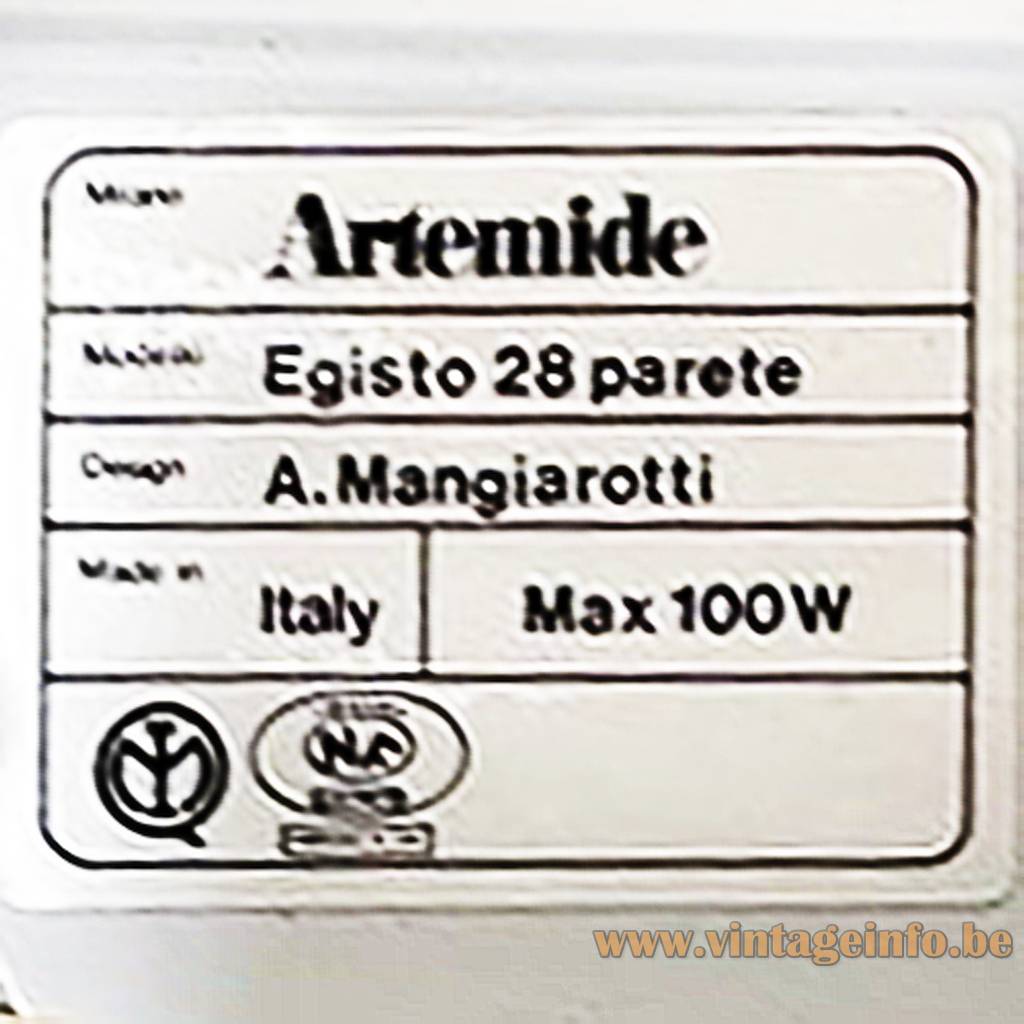
Gae Aulenti Mezzoracolo Table or Floor Lamp – Company Labels & Logos