- Categories
- Categories
Last 5 Viewed
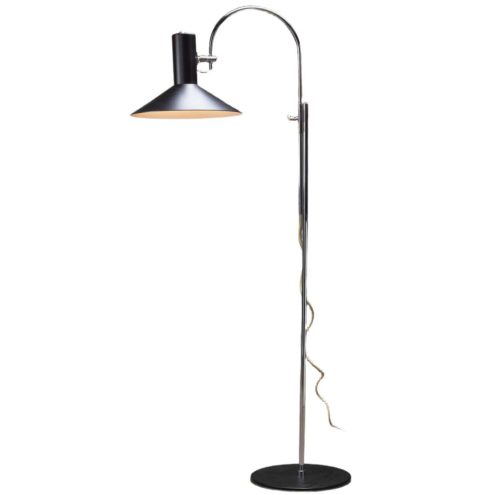

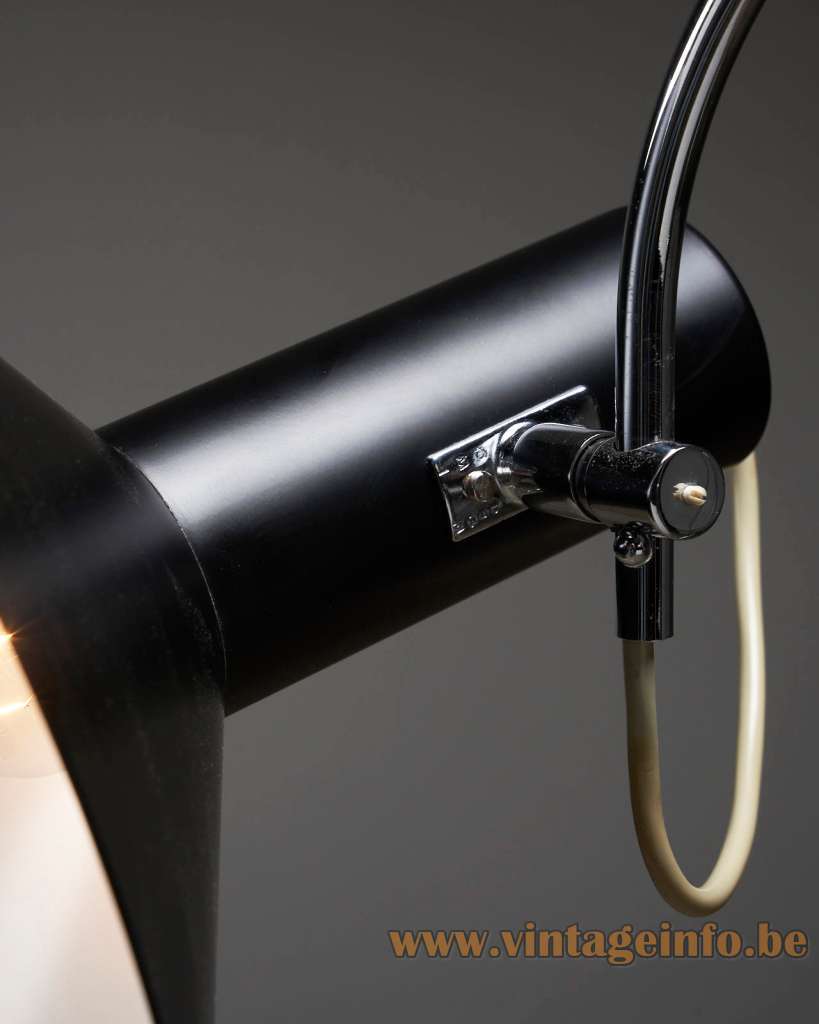

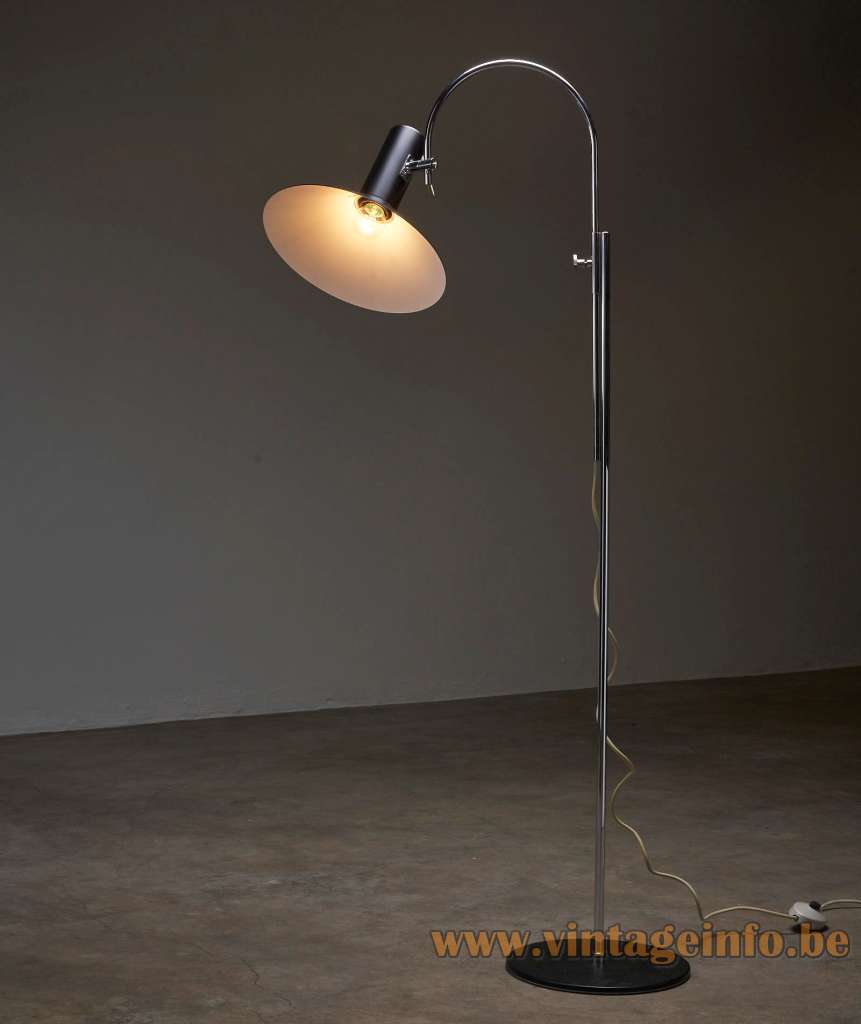

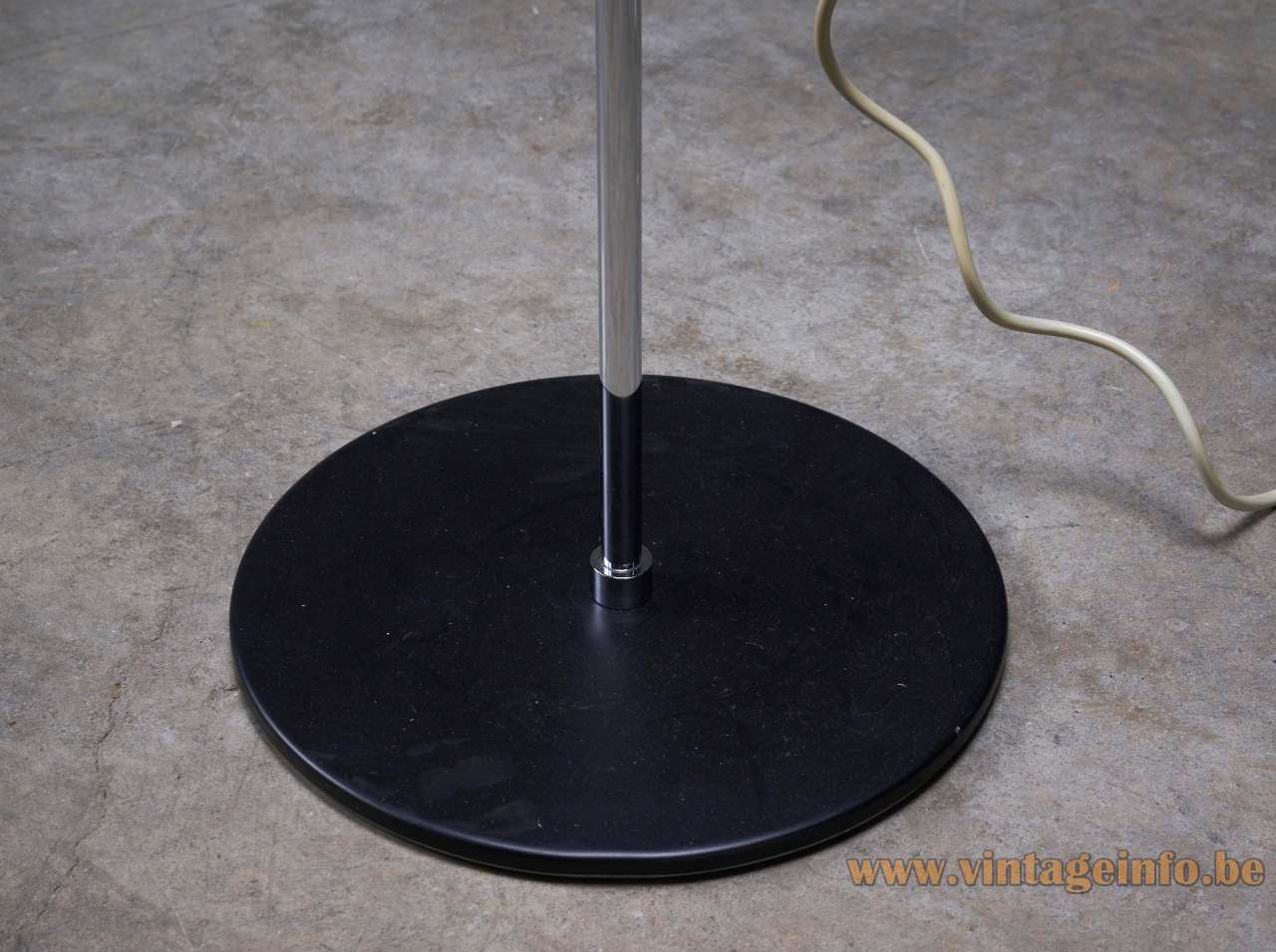

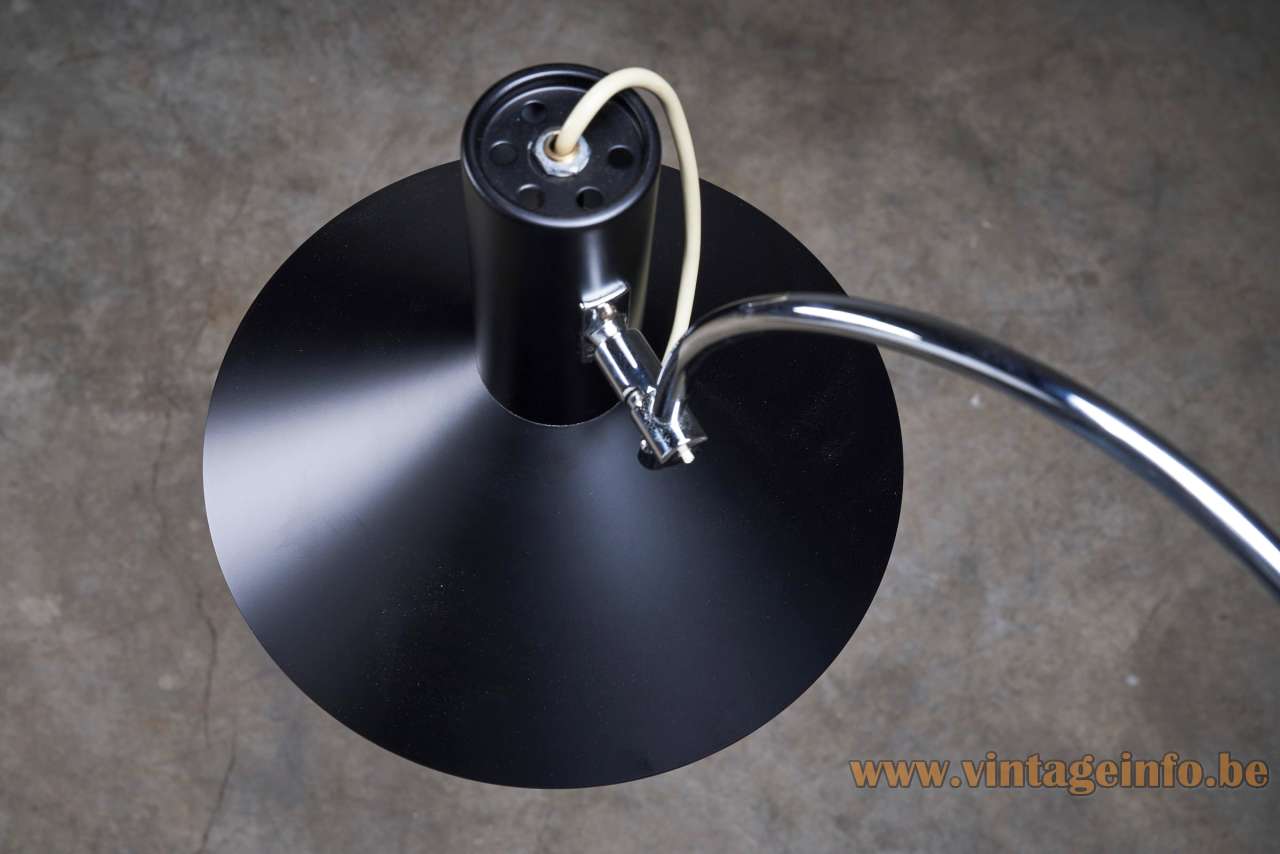

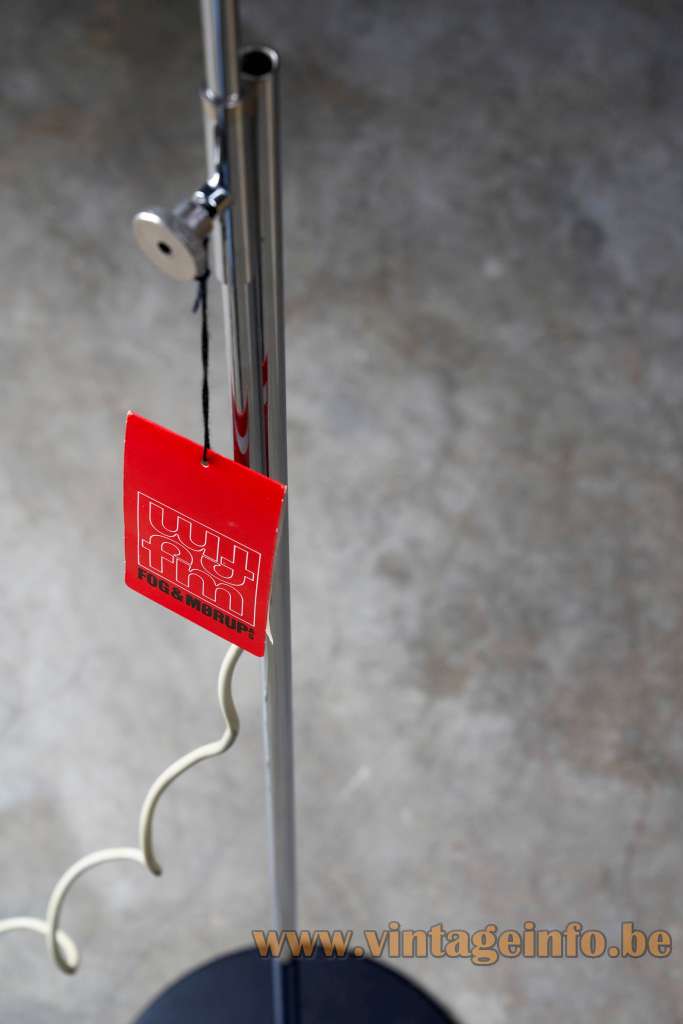

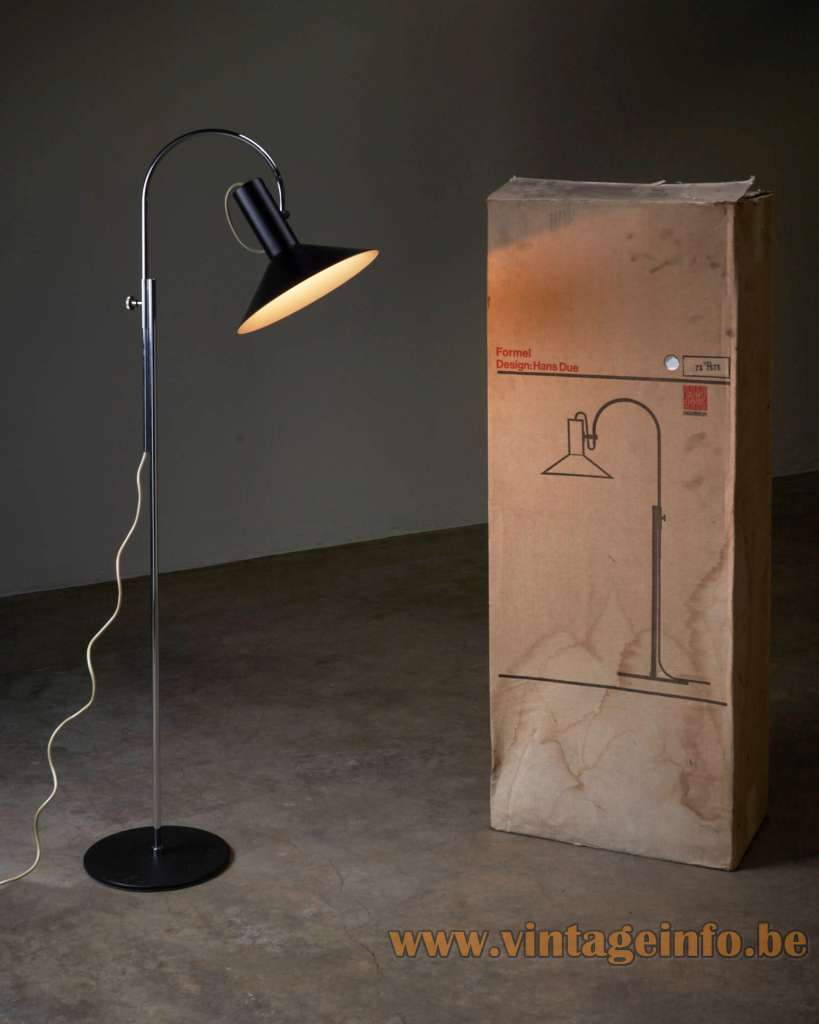

Fog & Mørup Formel Floor Lamp
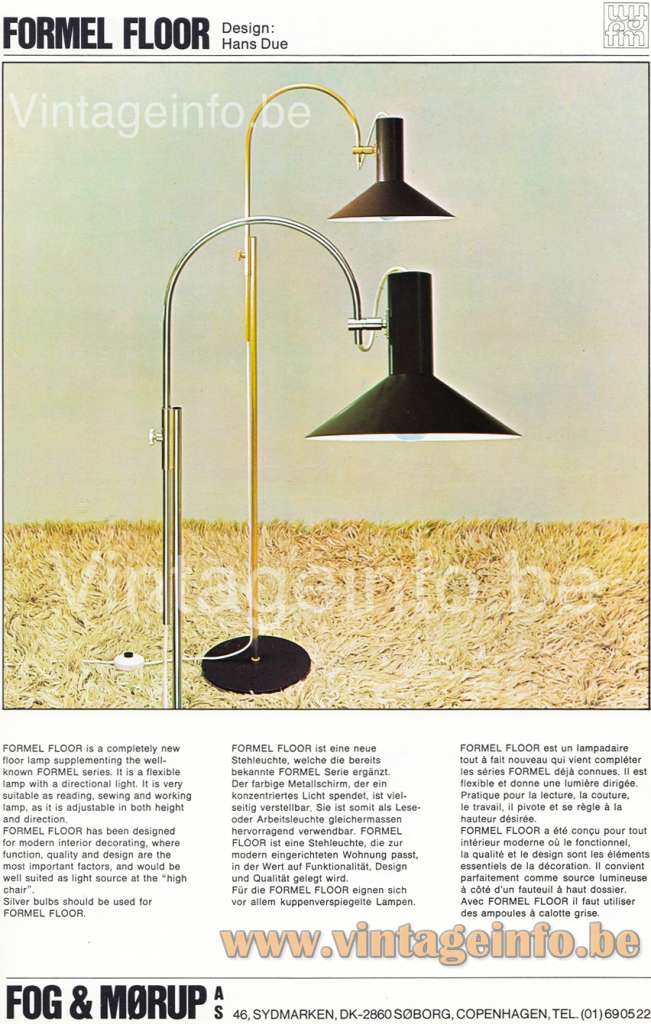
1970s Catalogue picture
Text from the catalogue picture:
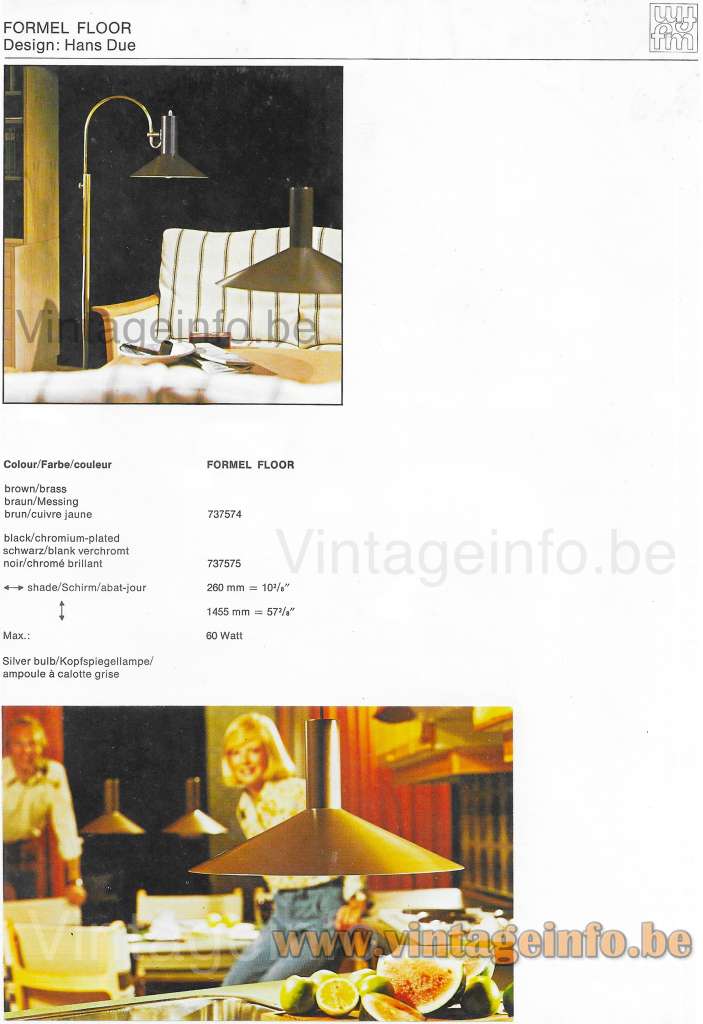
FORMEL FLOOR is a completely new floor lamp supplementing the well-known FORMEL series. It is a flexible lamp with a directional light. It is very suitable as reading, sewing and working lamp, as it is adjustable in both height and direction. FORMEL FLOOR has been designed for modern interior decorating, where function, quality and design are the most important factors, and would be well suited as light source at the “high chair”. Silver bulbs should be used for FORMEL FLOOR.
Fog & Mørup Formel Floor Lamp
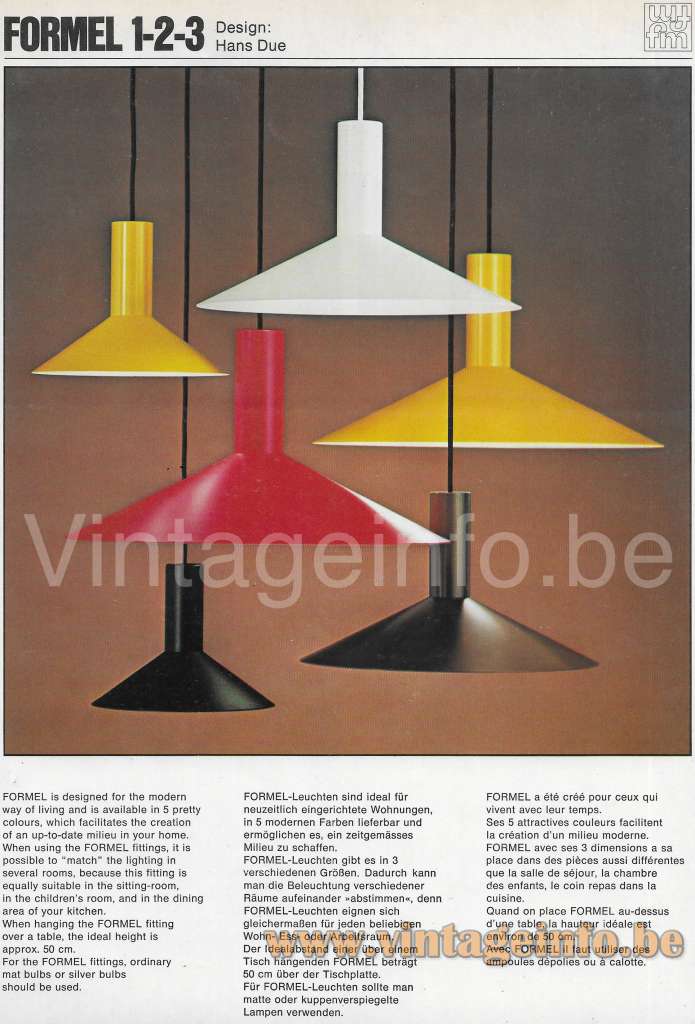
1970s Catalogue picture – Pendant Lamps
Text from the catalogue picture:
FORMEL is designed for the modern way of living and is available in 5 pretty colours, which facilitates the creation of an up-to-date milieu in your home. When using the FORMEL fittings, it is possible to “match” the lighting in several rooms, because this fitting is equally suitable in the sitting-room, in the children’s room, and in the dining area of your kitchen. When hanging the FORMEL fitting over a table, the ideal height is approx. 50 cm. For the FORMEL fittings, ordinary mat bulbs or silver bulbs should be used.
Links (external links open in a new window)
The Optima pendant lamp in the book Danish Lights – 1920 to Now
Nyboder, Copenhagen, Denmark – Wikipedia
Fog & Mørup – Wikipedia (in Danish)
Horn Belysnign history on Danish Vintage Design
The story of Fog & Mørup, Danish modern lighting’s superstar
Vintageinfo Links
Many thanks to Max from AfterMidnight for all the pictures.
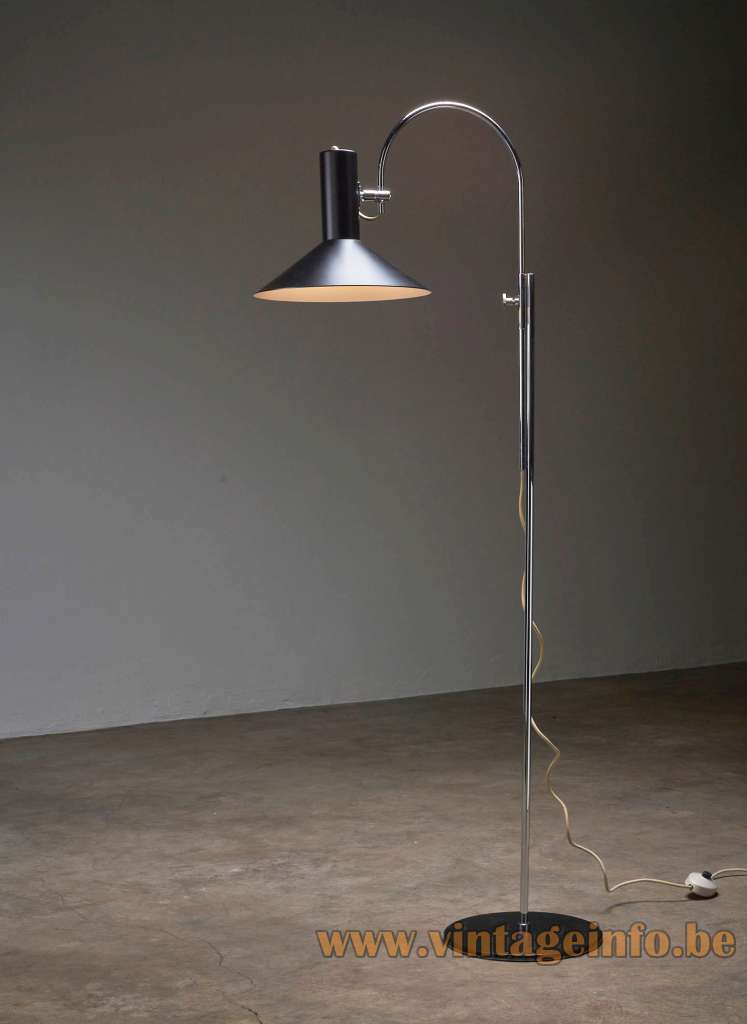
Fog & Mørup Formel Floor Lamp
Materials: Round and flat black metal base. Chrome stem. Adjustable curved chrome rod and joint. Some metal parts. Adjustable trumpet-style lampshade. White painted Bakelite E27 socket.
Height: 145,5 cm / 57.28”
Lampshade: ∅ 26 cm / 10.23”
Depth: 42 cm / 16.53”
Base: ∅ 30 cm / 11.81”
Electricity: 1 bulb E27, 1 x 60 watt maximum, 110/220 volt.
Any type of light bulb can be used, but a silver tipped light bulb preferred.
Period: 1970s – Mid-Century Modern.
Designer: Hans Due around 1972.
Manufacturer: Fog & Mørup A/S, Copenhagen, Denmark.
Other versions: The Fog & Mørup Formel floor lamp was made in two versions: one in chrome and black, and one in brass and brown. Pendant versions were also produced.
Hans Due
Hans Due (born 5 January 1941 in Nyboder, Copenhagen, Denmark) is a Danish graphic designer, painter and photographer. Between 1956 and 1958, he studied under the illustrator Des Asmussen, the painter August Toersleff and the sculptor Professor Gottfred Eickhoff. He then trained at a graphic design studio in Copenhagen from 1958 to 1963, before continuing his studies at the Graphic Arts Institute of Denmark, where he graduated in 1965. That same year, he also spent time in Paris, studying graphics and photography.
From 1966 to 1974, Due worked as a graphic designer and art director for various advertising and design firms. In 1974, he founded Due Design A/S, remaining active there until 2005.
For Fog & Mørup, he designed the Optima series, the Phister lamp and the Formel series.
Since 2005, Hans Due has devoted himself more fully to painting. His work, often described as New Realism, has been exhibited widely.
Fog & Mørup
Fog & Mørup was founded in 1904 by Ansgar Fog (1880–1930) and Erik Mørup (1879–1972), originally as a metalwork wholesaler. In 1906 the company moved to Copenhagen and gradually developed into one of Denmark’s leading lighting manufacturers. Its strongest creative period began after Jo Hammerborg joined the company in 1957 as head of design, helping to establish Fog & Mørup as a major name in Danish modern lighting.
Designers and architects associated with the company include Jo Hammerborg, Claus Bonderup, Torsten Thorup, Sidse Werner, Sophus Frandsen, Jørgen Bo, E. Balslev, Peter Avondoglio, Karen Clemmensen, Ebbe Clemmensen and Hans Due.
Lyfa
Lyfa was founded in 1903 as Kjøbenhavns Lampe- og Lysekronefabrik. By the mid-20th century it had become one of the most important Danish lighting manufacturers, working with designers such as Bent Karlby, Louis Weisdorf, Piet Hein, Finn Juhl, Nils and Eva Koppel and others. In the late 1970s, Lyfa merged with Fog & Mørup, although both brands continued for a time to be marketed separately.
In the early 1980s, the combined Lyfa–Fog & Mørup business was taken over by Lyskær, after which the Fog & Mørup name gradually disappeared. Lyskaer–Lyfa remained active until 1991, when it was incorporated into Horn Belysning A/S.
Horn Belysning
Horn Belysning A/S, originally E.S. Horn, was founded in 1952 in Aalestrup, Denmark. In 1963 the company adopted the name Horn Belysning. It grew into a major volume producer for the Scandinavian and European market and counted IKEA among its important customers. By the 1980s, Horn was one of the largest lighting companies in Denmark.
In 1991, Horn Belysning acquired Lyskaer–Lyfa, which by then also included brands such as Lyfa, Fog & Mørup and ABO. In 2005, Horn was restructured: the outdoor lighting activities were sold to Nordlux, while the remaining company was relaunched as Lightyears. Lightyears was later acquired by Fritz Hansen.
Fog & Mørup Formel Floor Lamp
1970s Catalogue picture
Chrome & black model: 737575, brass & brown model: 737574.
Fog & Mørup Formel Floor Lamp
1970s Catalogue picture – Pendant Lamps
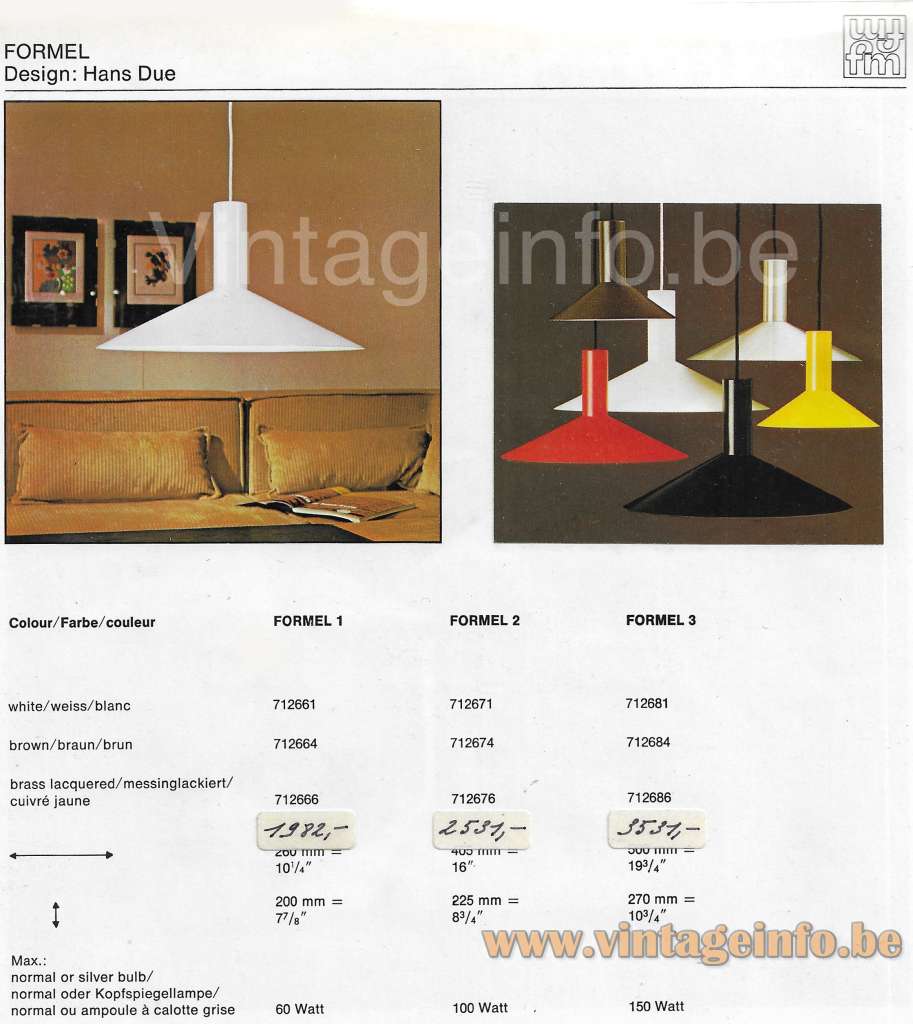
Formel pendant lamps made in 3 sizes and several colours.
Fog & Mørup Formel Floor Lamp
1970s Catalogue picture – Pendant Lamps
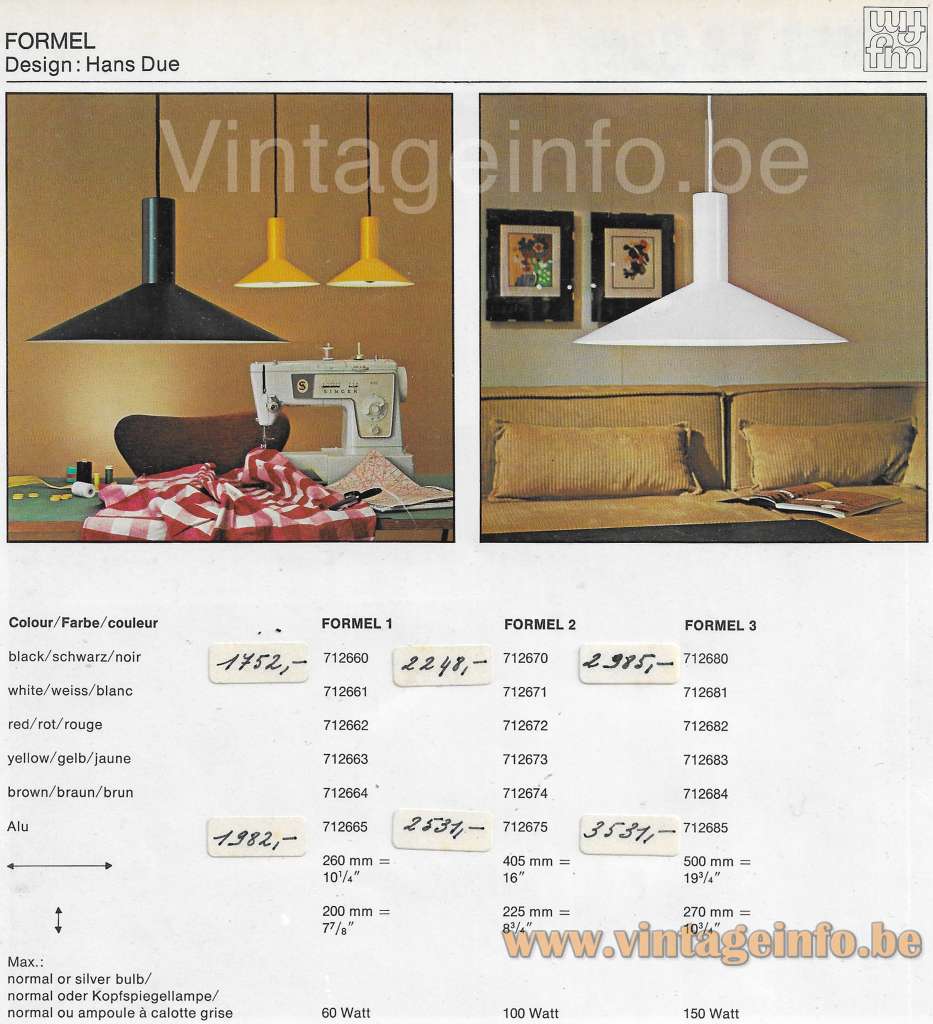
Formel pendant lamps made in 3 sizes and several colours. The smallest is 20 cm / 7.87”, the medium size pendant lamp is 40,5 cm / 15.94” and the biggest lamp is 50 cm / 27.55”.
Fog & Mørup Formel Floor Lamp
1970s Catalogue picture – Pendant Lamps
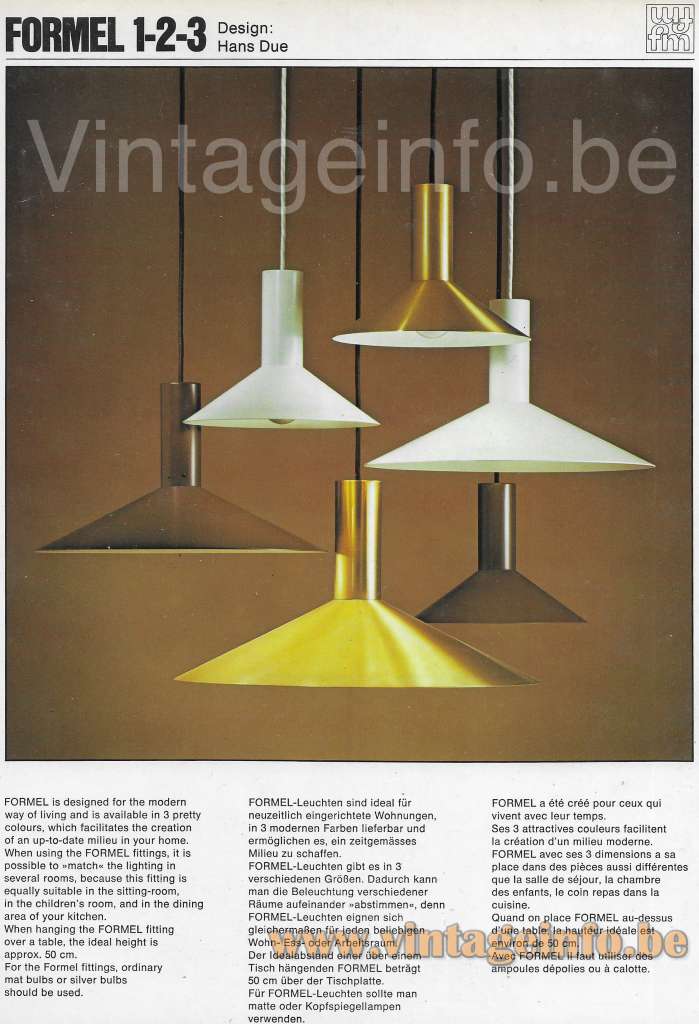
Formel pendant lamps made in 3 sizes and colours brown, white, yellow & brass & brass.
Text from the catalogue picture:
FORMEL is designed for the modern way of living and is available in 3 pretty colours, which facilitates the creation of an up-to-date milieu in your home. When using the FORMEL fittings, it is possible to “match” the lighting in several rooms, because this fitting is equally suitable in the sitting-room, in the children’s room, and in the dining area of your kitchen. When hanging the FORMEL fitting over a table, the ideal height is approx. 50 cm. For the FORMEL fittings, ordinary mat bulbs or silver bulbs should be used.
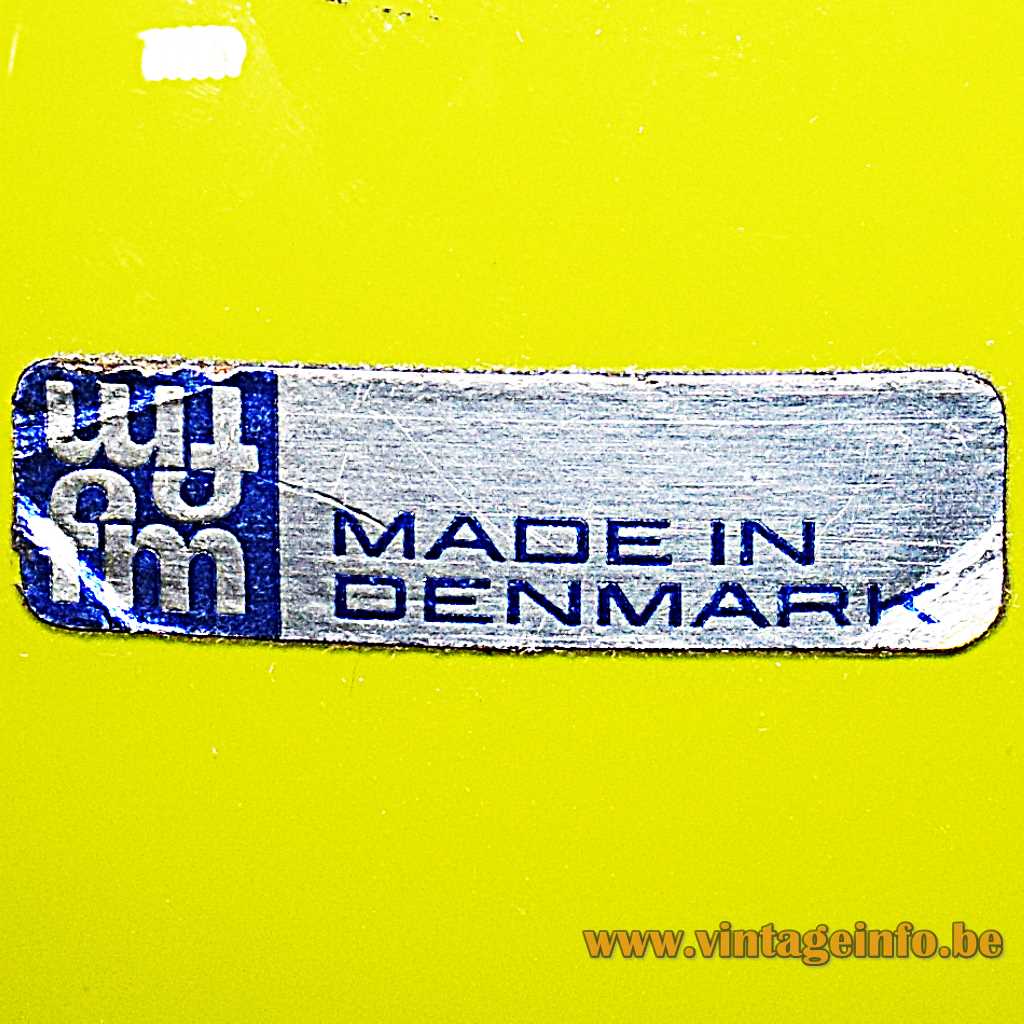
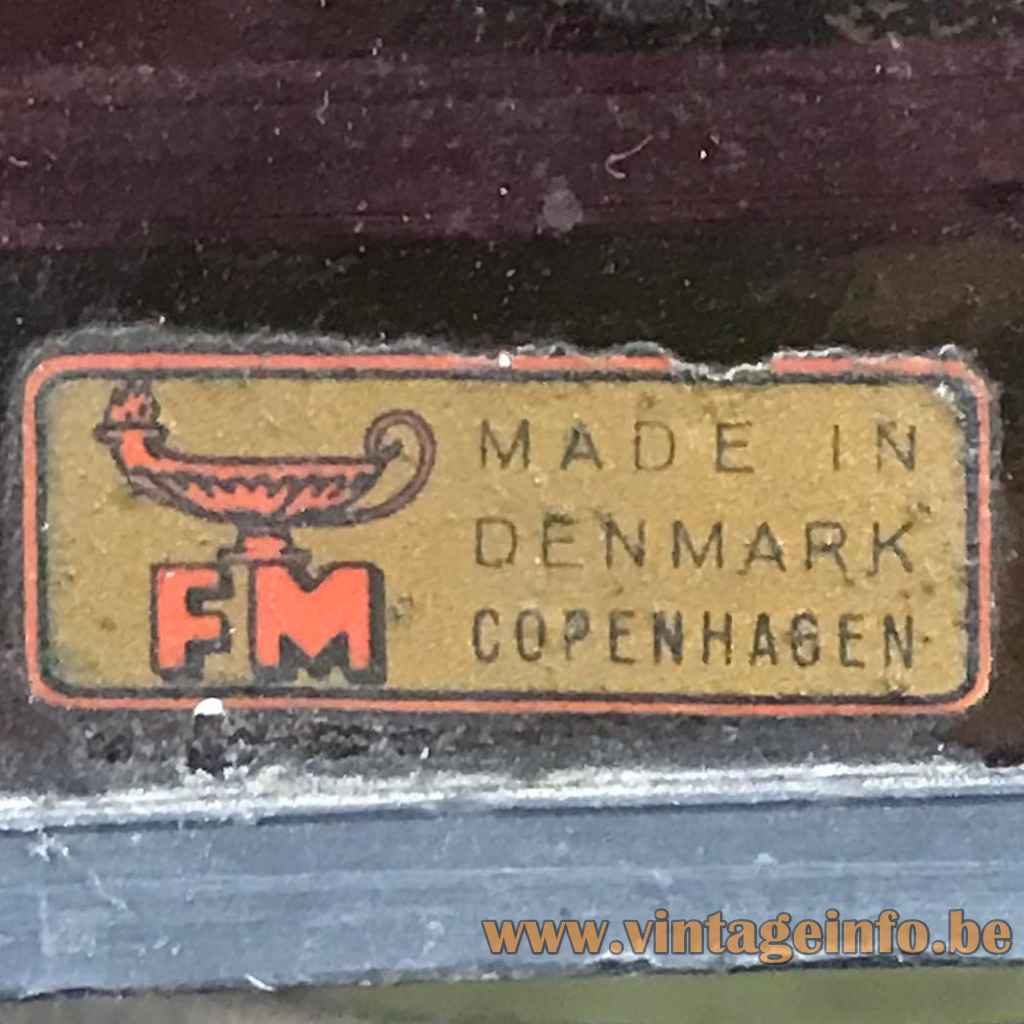
Fog & Mørup Formel Floor Lamp – Company Labels & Logos