- Categories
- Categories
Last 5 Viewed
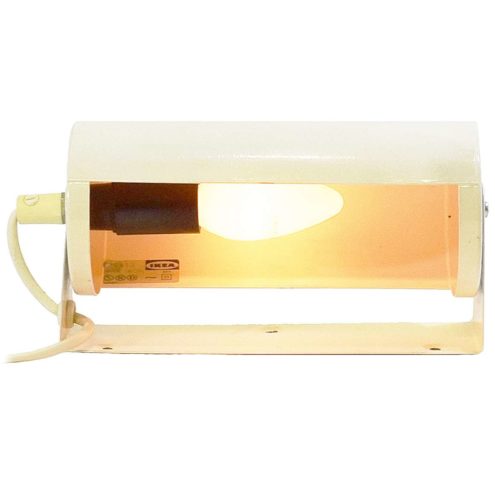
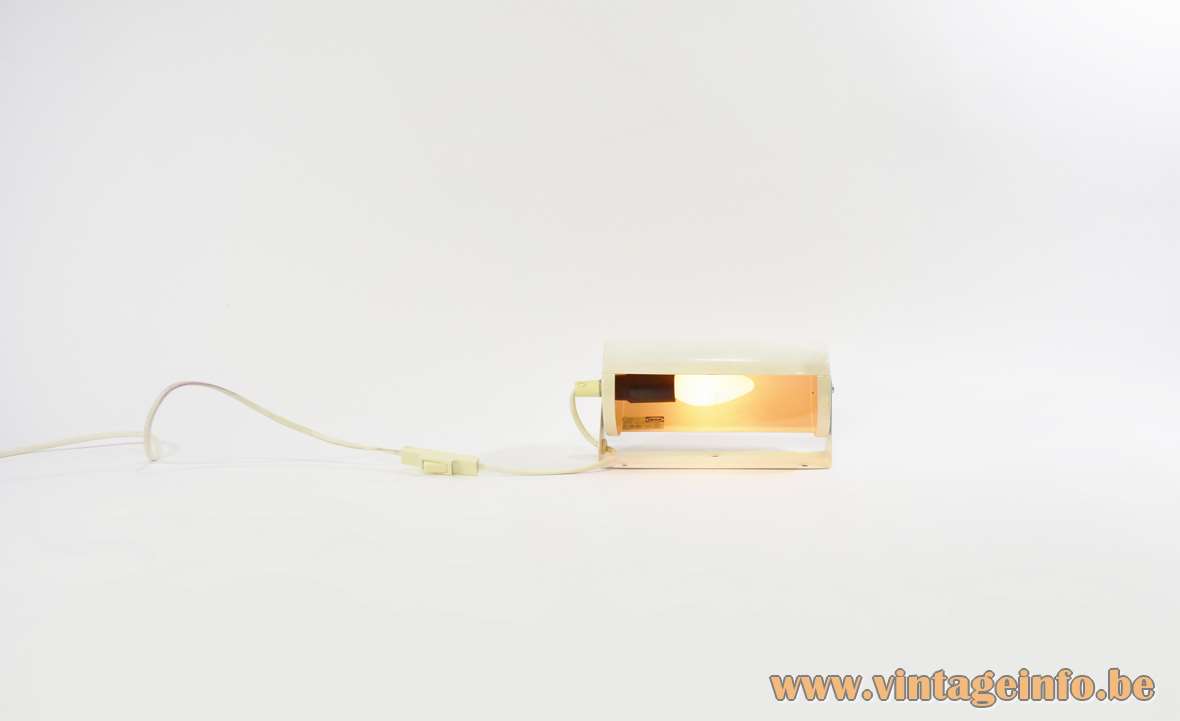
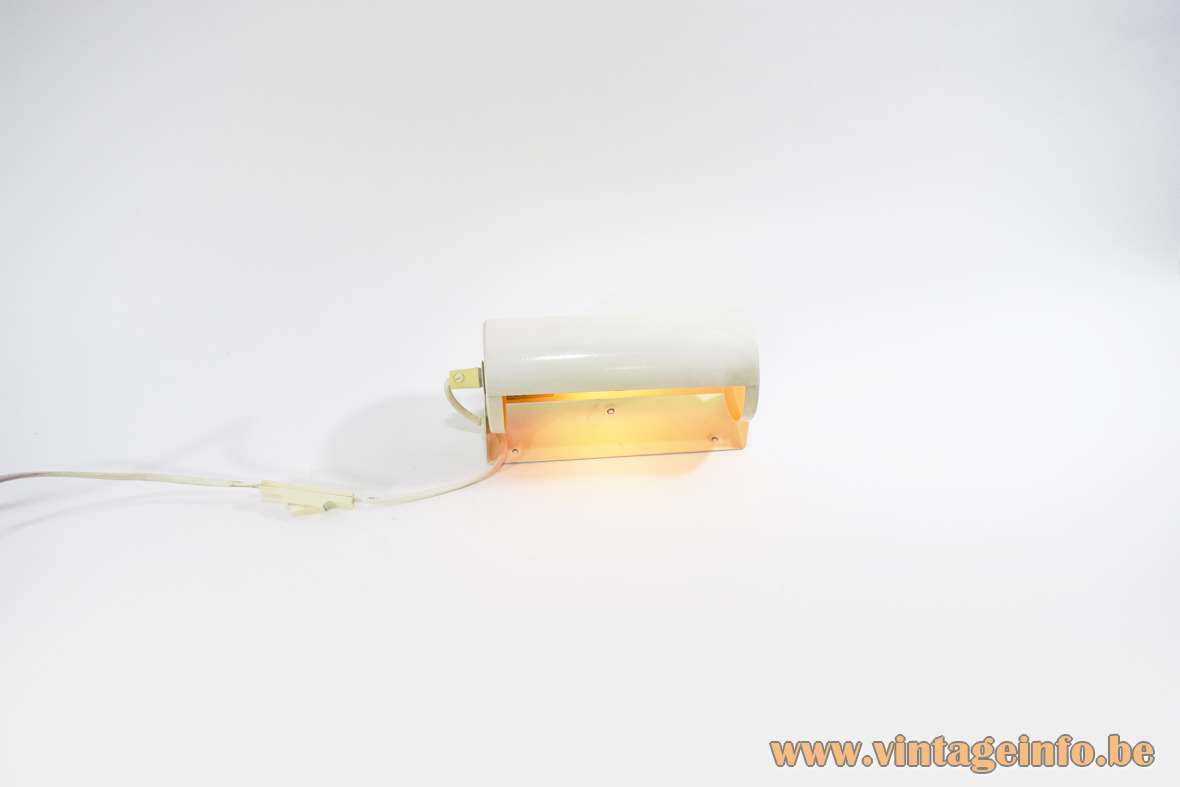
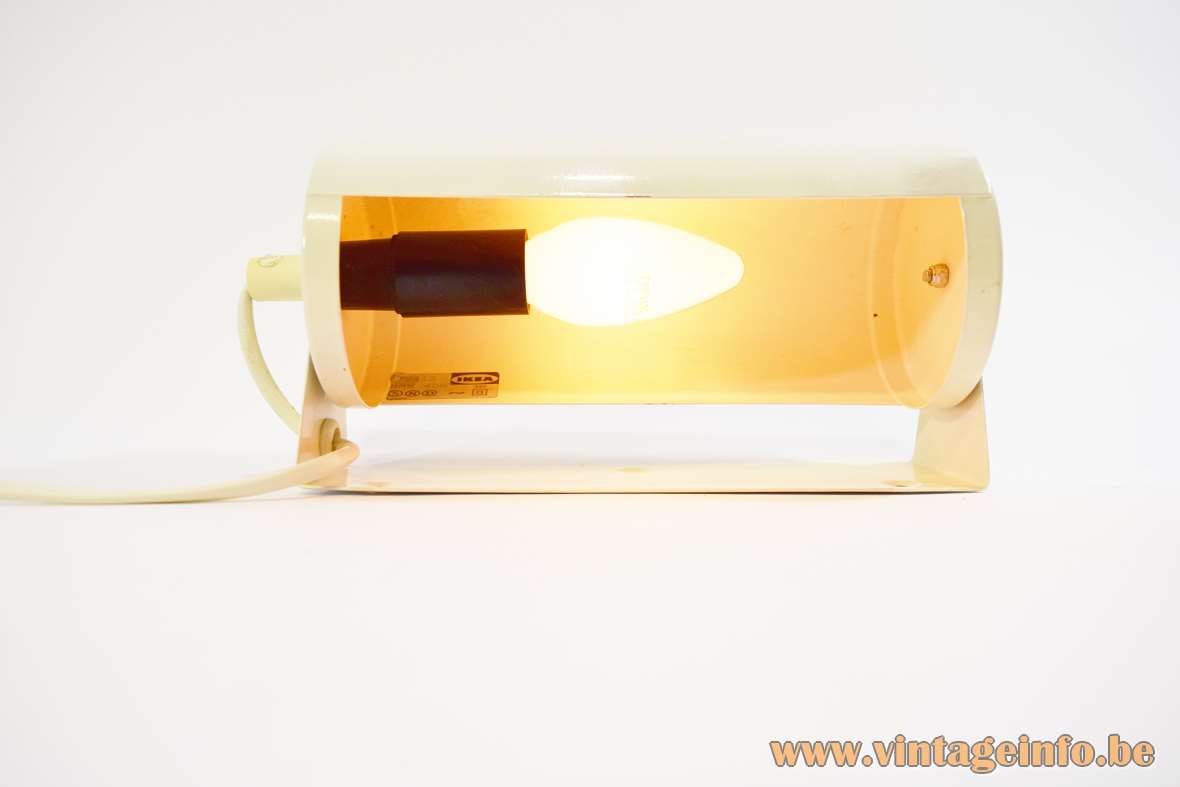
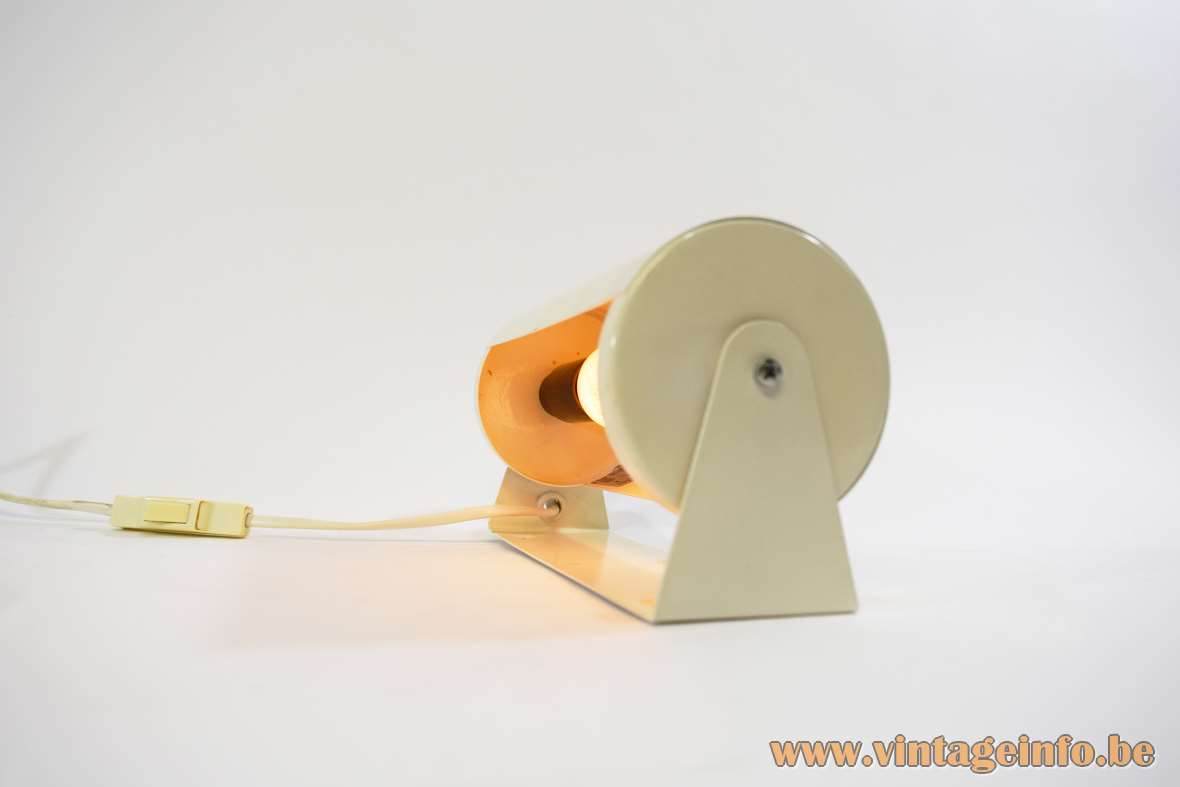
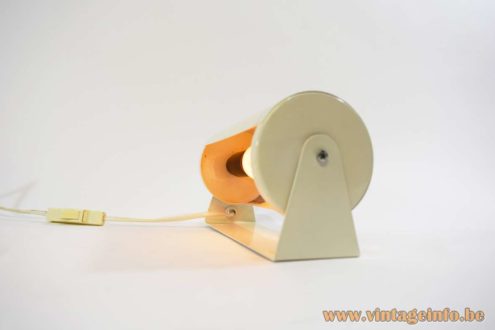
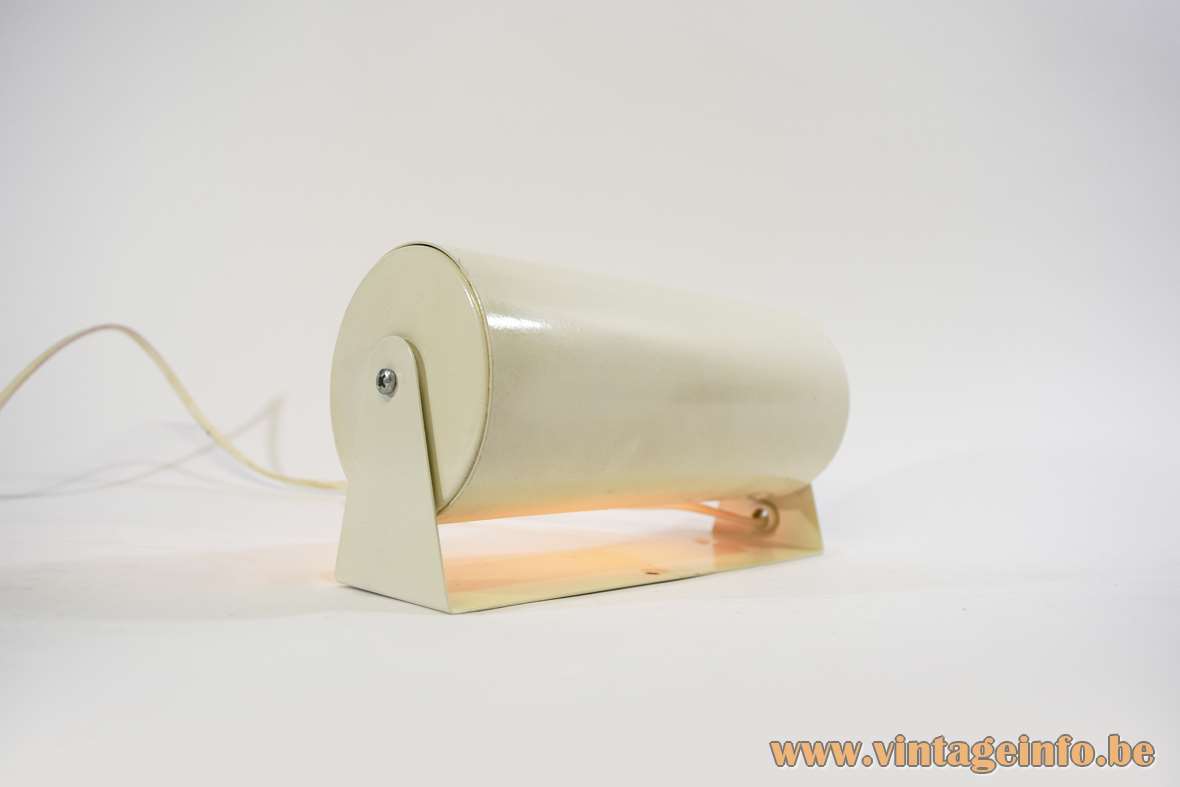
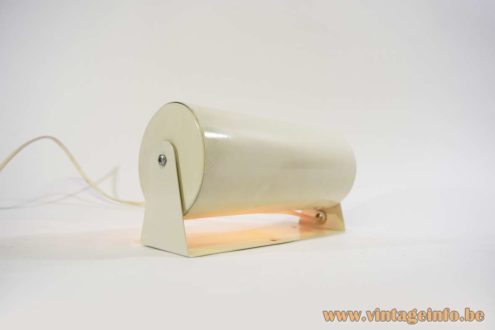
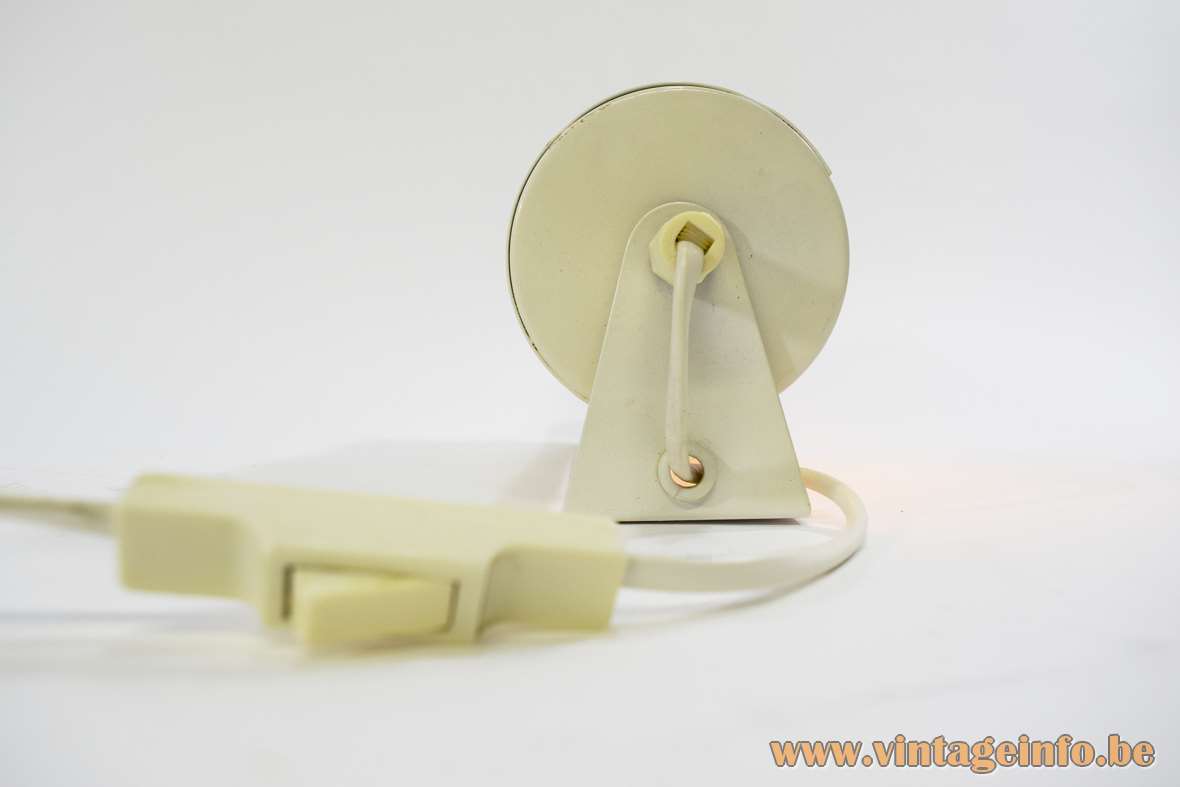
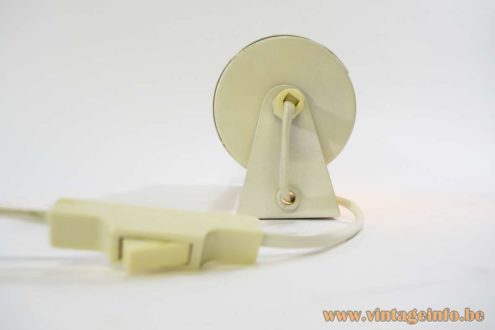
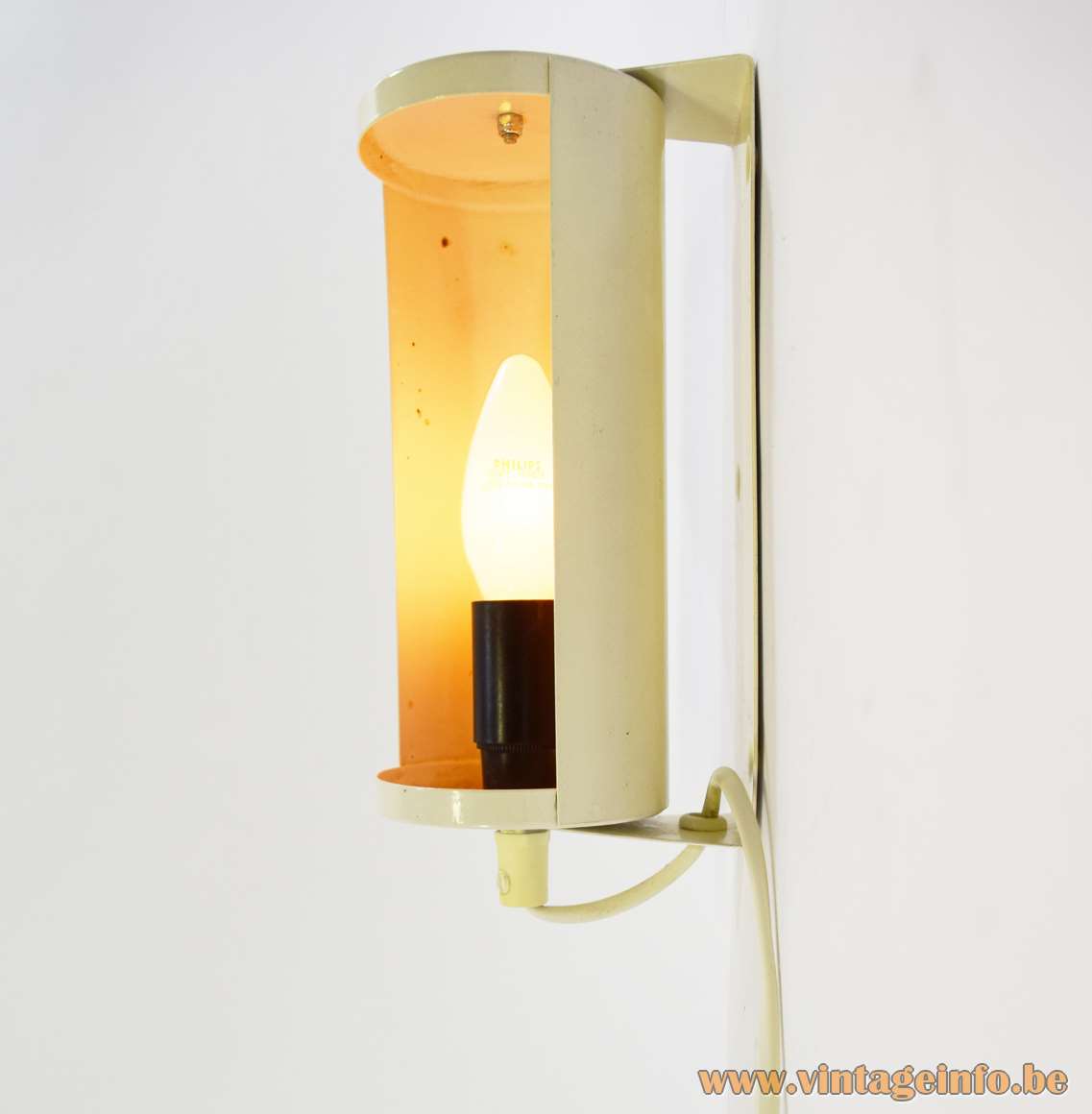
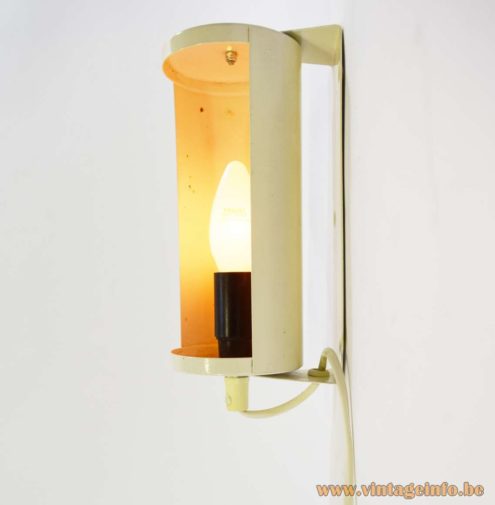
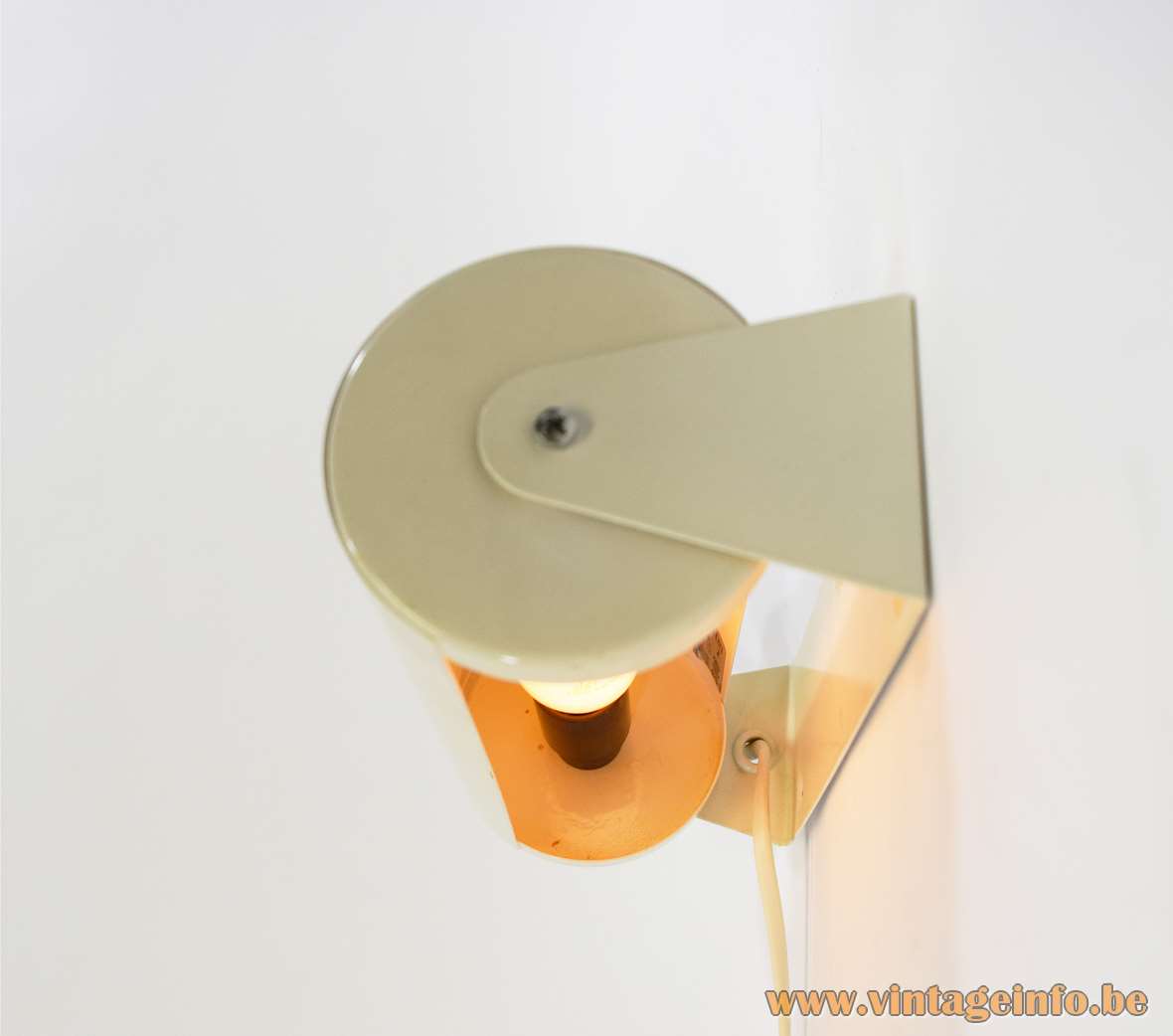
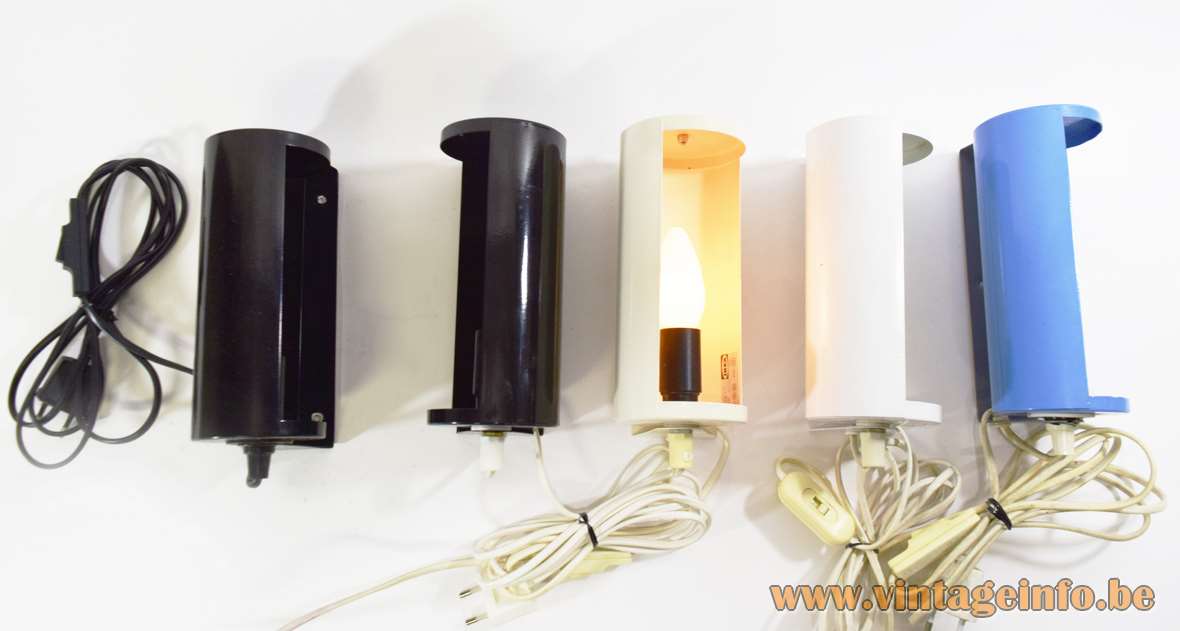
IKEA Lod Wall Lamp – Collection
Made in many colours over the years.
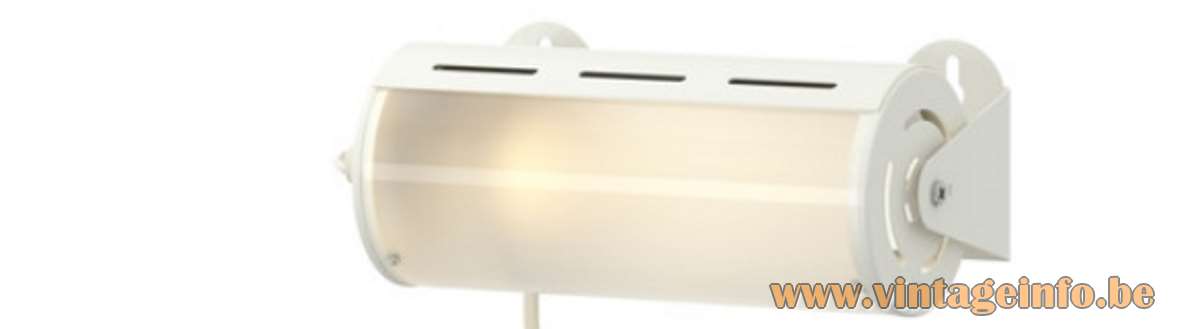
IKEA SMYG Wall Lamp
IKEA Lod Wall Lamp – IKEA 1986 Catalogue Picture

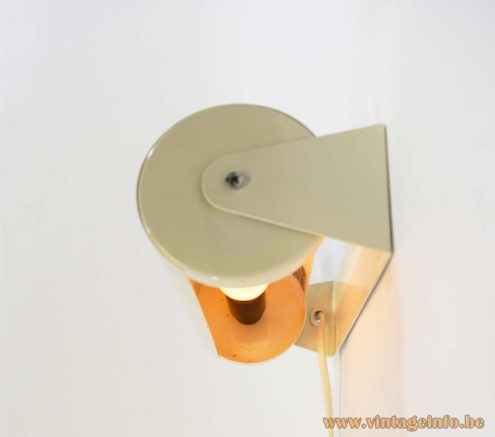
IKEA Lod Wall Lamp
Materials: White painted folded metal wall mount. Adjustable white painted round/cylinder metal (iron) lampshade. Some plastic and metal parts. Bakelite E14 socket.
Height: 8 cm / 3.14”
Length: 20 cm / 7.87”
Depth: 11 cm / 4.33”
Electricity: 1 bulb E14, 1 x 40 watt maximum, 110/220 volt.
No specific type of light bulb is required; different types can be used.
Period: 1980s, 1990s, 2000s.
Designer: To be appraised.
Manufacturer:IKEA, Delft, The Netherlands.
Other versions: The IKEA Lod wall lamp was produced for many years and exists in several minor variations. Differences include the use of different screws, switches and fittings. More recent versions are fitted with a plastic lamp socket.
Model: V413.
The IKEA Lod wall lamp is no longer in production. It appeared for the first time in an IKEA catalogue in 1986. A related model, SMYG (see image below), remained in production until 2018. This version features a perforated metal shade combined with a frosted plastic diffuser.
VLM Components
All electrical components used in the Lod lamps, from the earliest versions to the most recent ones, were manufactured by VLM Components from Buccinasco, near Milan, Italy. The company is well known for producing switches designed by Achille Castiglioni.
IKEA
IKEA, originally an acronym for Ingvar Kamprad Elmtaryd Agunnaryd, is a multinational group headquartered in Delft, the Netherlands. The company was founded in 1943 in Älmhult, Sweden by Ingvar Kamprad (30 March 1926 – 27 January 2018), who was only seventeen years old at the time.
After several years of mail-order sales, IKEA opened its first full-scale store in Sweden in 1958. International expansion followed during the 1960s and 1970s, with the first stores opening in Norway (1963) and Denmark (1969). In 1973, IKEA entered new markets in Switzerland, Germany and Japan, marking the start of its rapid expansion across Europe and beyond.
In the Benelux, the first IKEA store opened in 1978 in Sliedrecht, the Netherlands. Belgian stores followed in 1984, with locations in Zaventem and Ternat. From the late 1970s onwards, IKEA became a familiar presence throughout Europe, combining large-scale retail with a strong focus on functional, affordable design.
Alongside its in-house design teams, IKEA has collaborated over the years with a number of well-known designers and studios, mainly for furniture and limited collections. These collaborations helped introduce contemporary design ideas to a broad audience, while remaining compatible with mass production. Designers who have worked with IKEA include, among others, Verner Panton, Tapio Wirkkala, Gillis Lundgren, Knut and Marianne Hagberg, Karin Mobring, Noboru Nakamura, Sarah Fager, Ehlén Johansson, Sabine Marcelis, Hanna Klarqvist, Tatsuo Konno, Carl Öjerstam, Magnus Elebäck, Hella Jongerius, Bent Gantzel-Boysen, Uno Dhalén, Ilse Crawford, Piet Hein Eek, Tom Dixon, and Virgil Abloh.
It should be noted that IKEA products are frequently misattributed online to famous designers. Claims that certain IKEA lamps or furniture were designed by Ettore Sottsass or his studio are incorrect and not supported by IKEA or catalogue documentation.
Links (external links open in a new window)
Vintageinfo
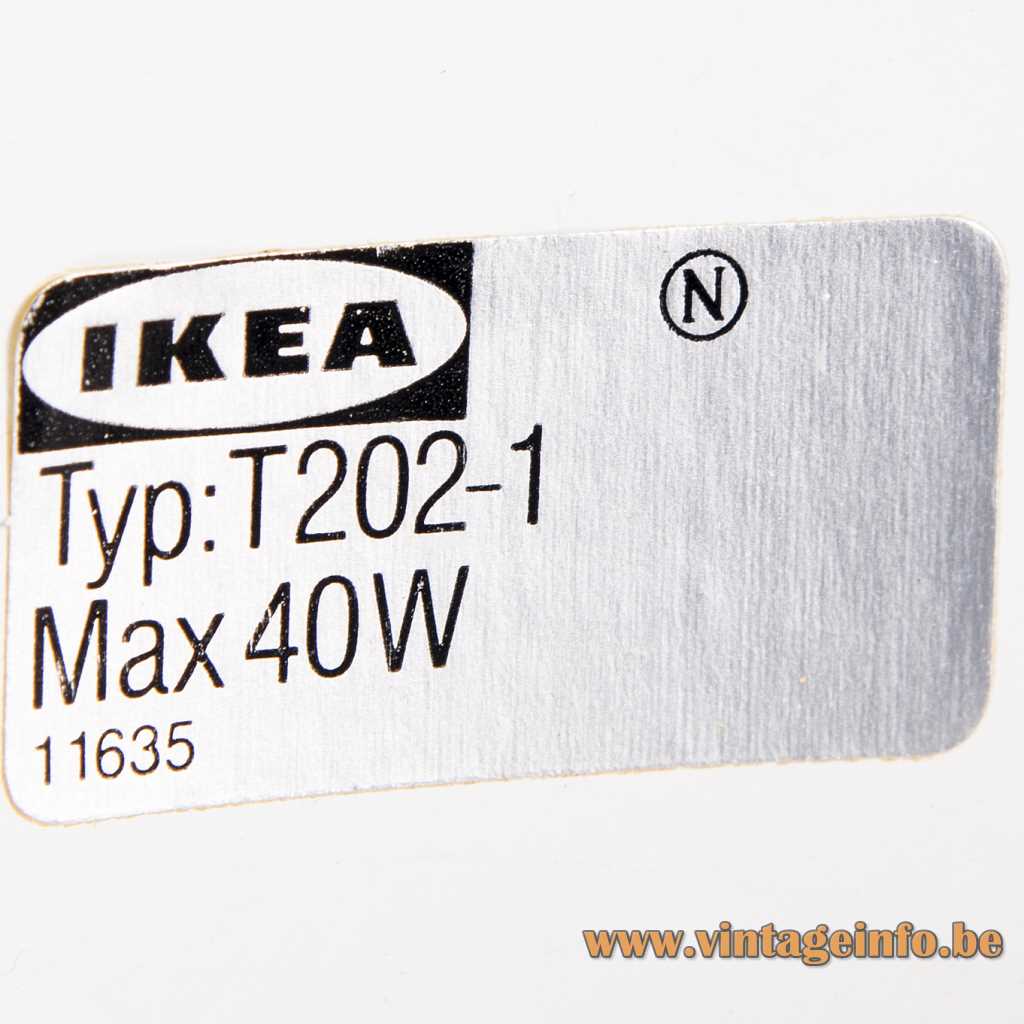
IKEA Lod Wall Lamp – Company Labels & Logos