- Categories
- Categories
Last 5 Viewed
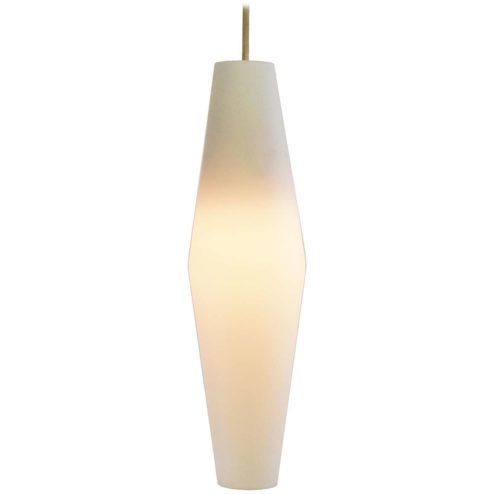
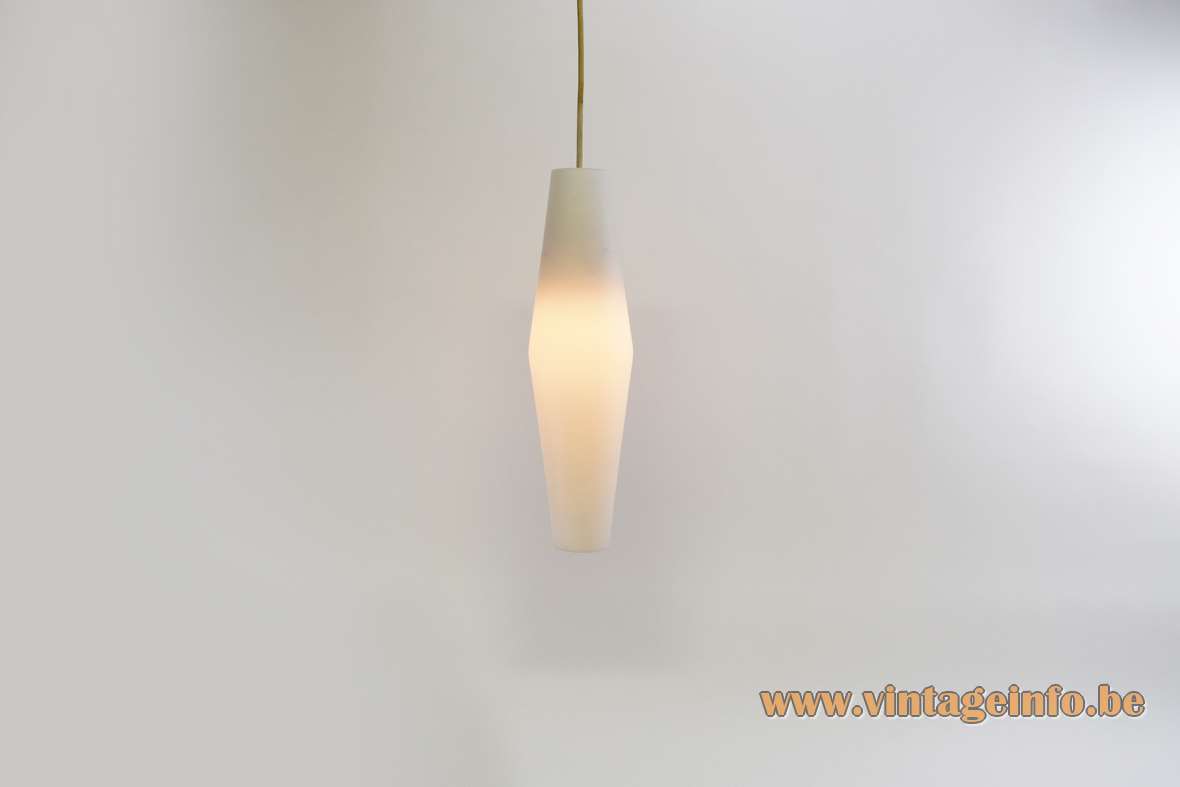
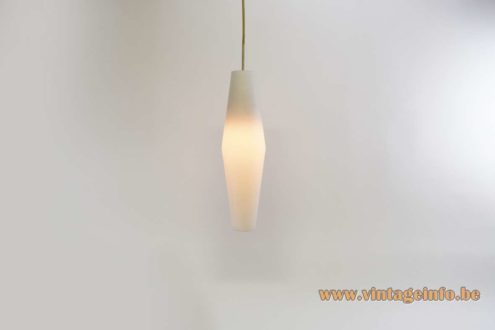
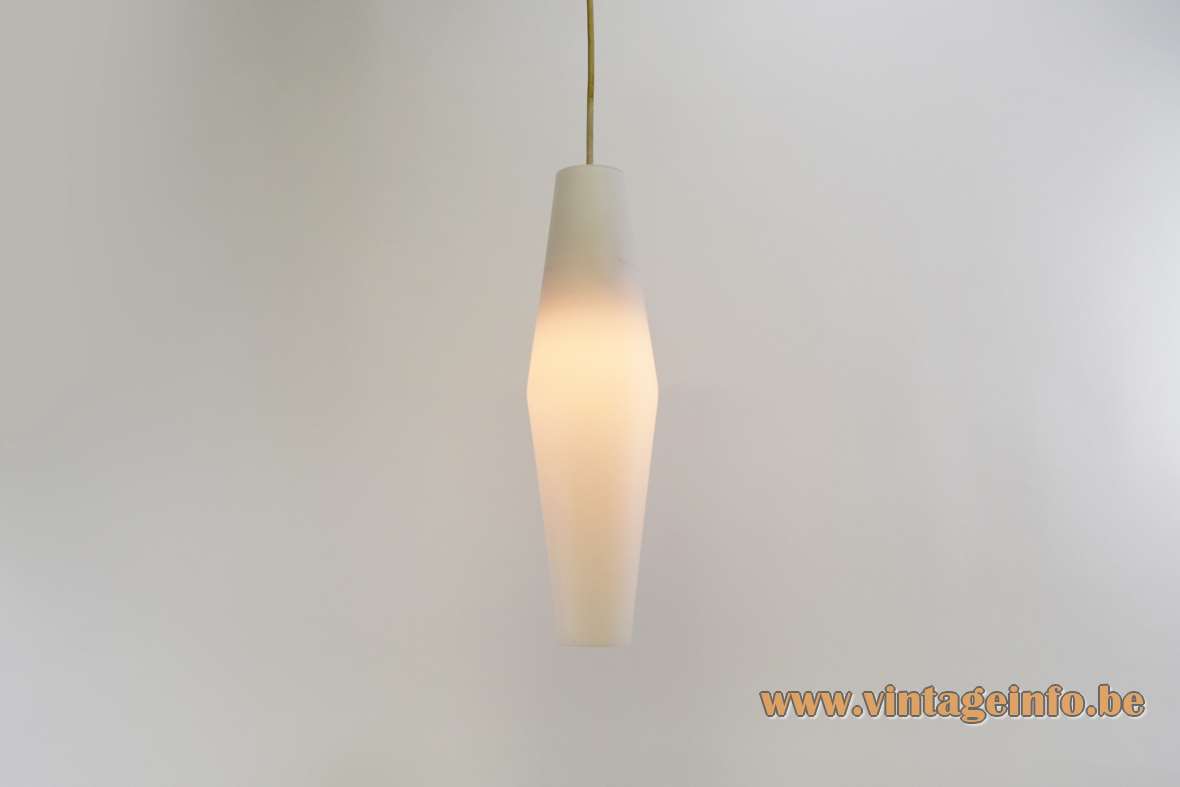
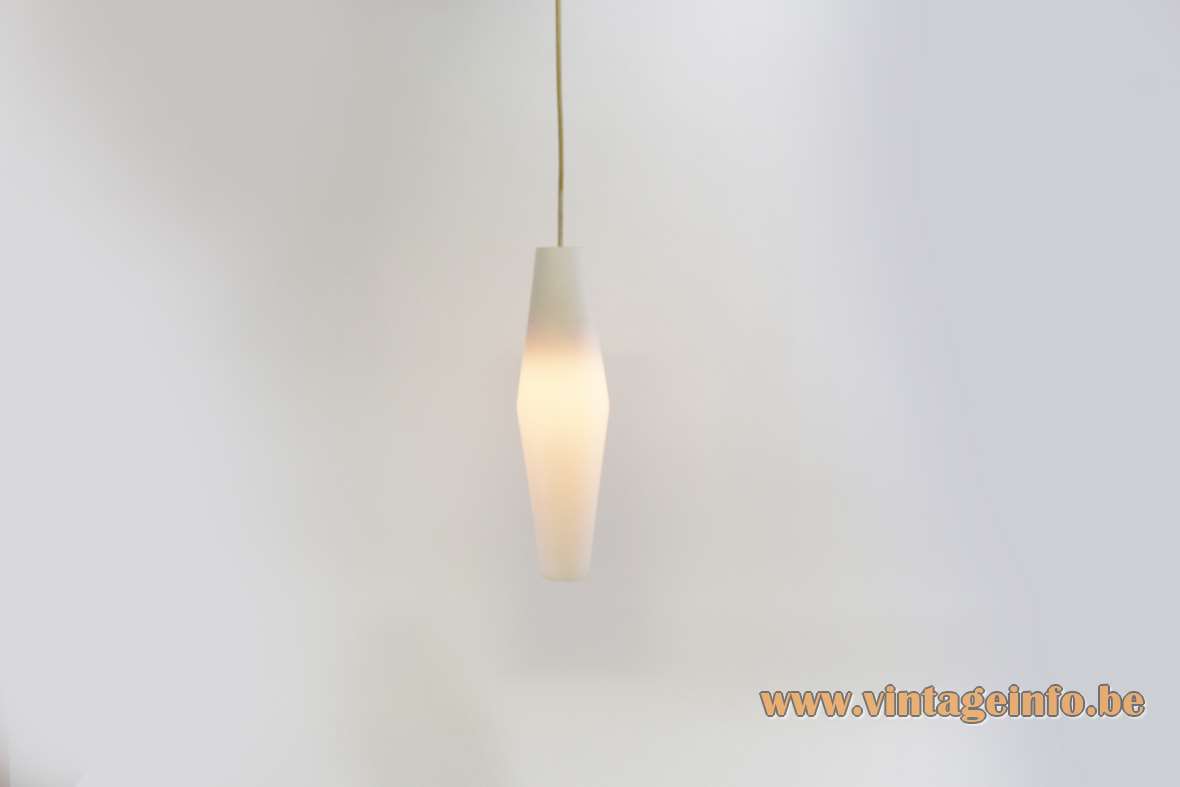
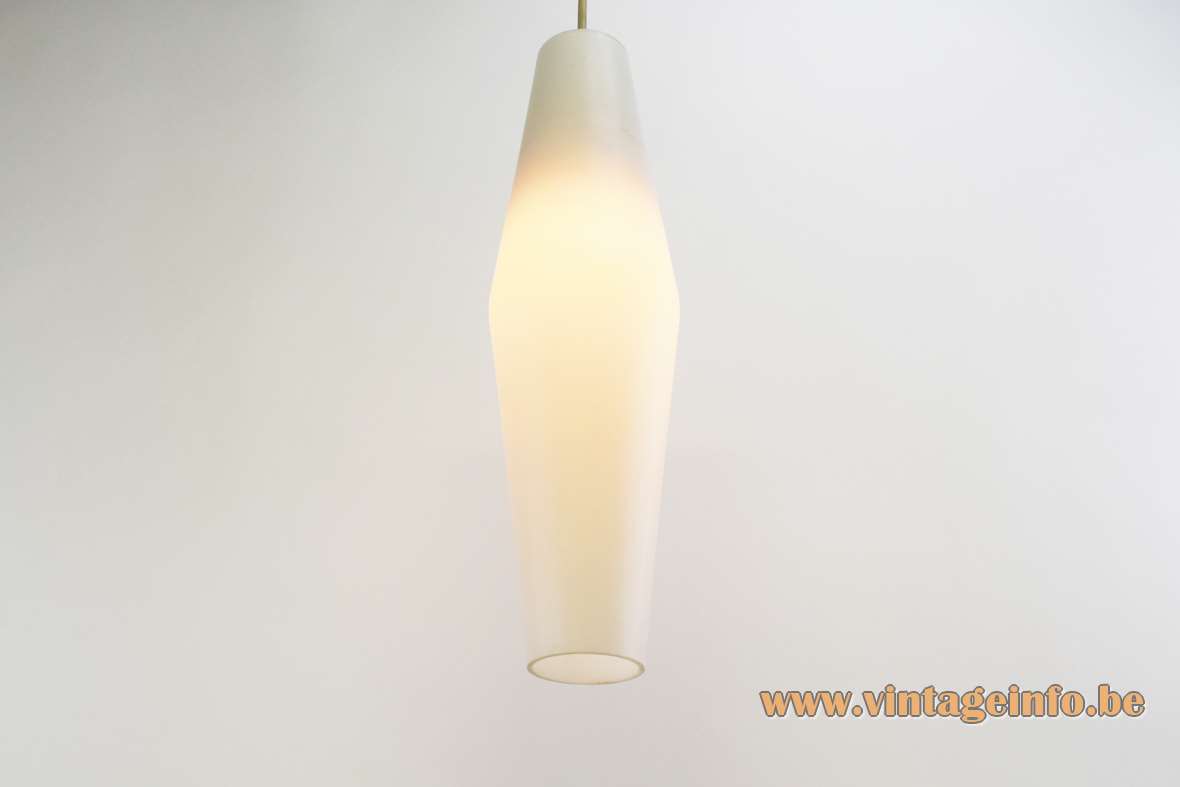
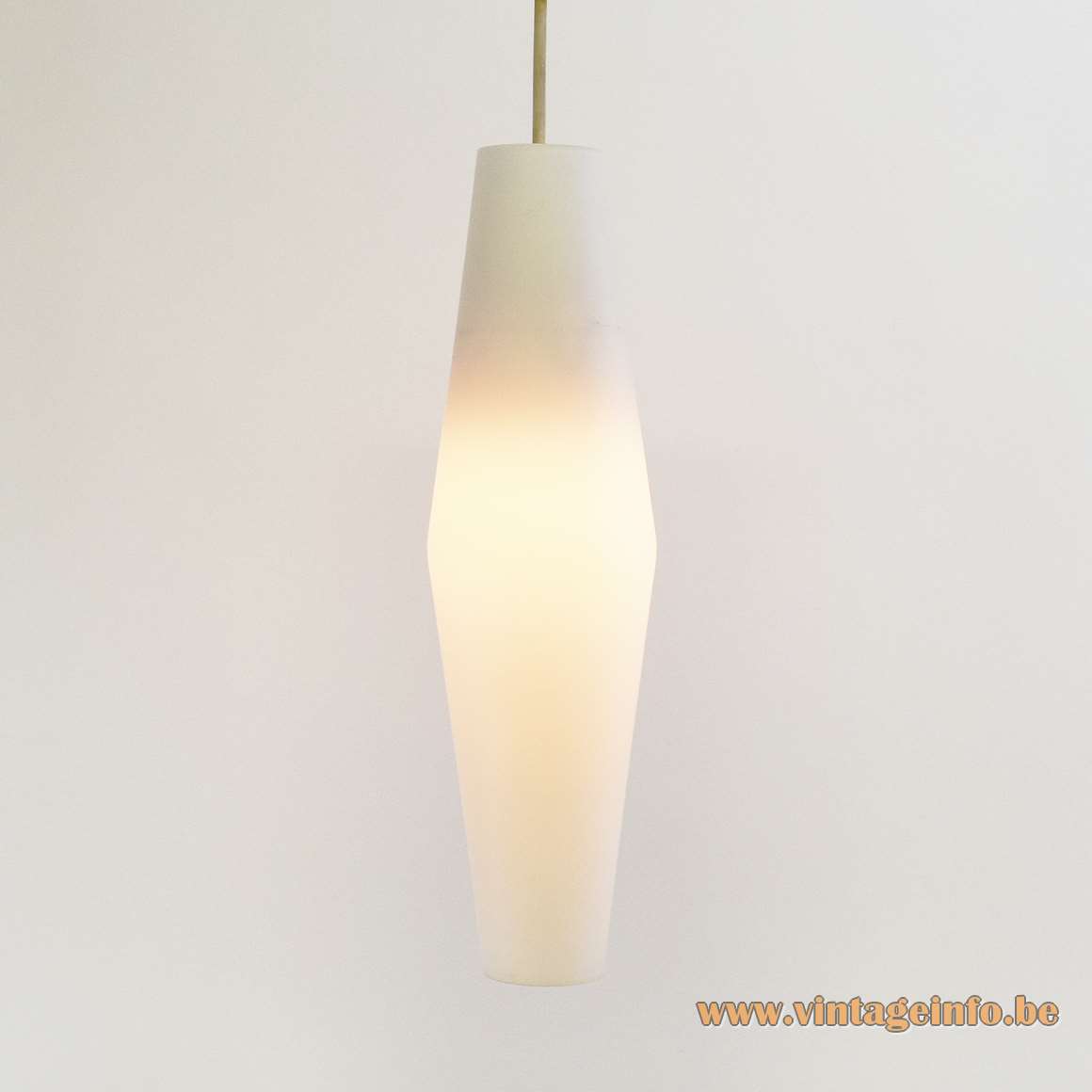
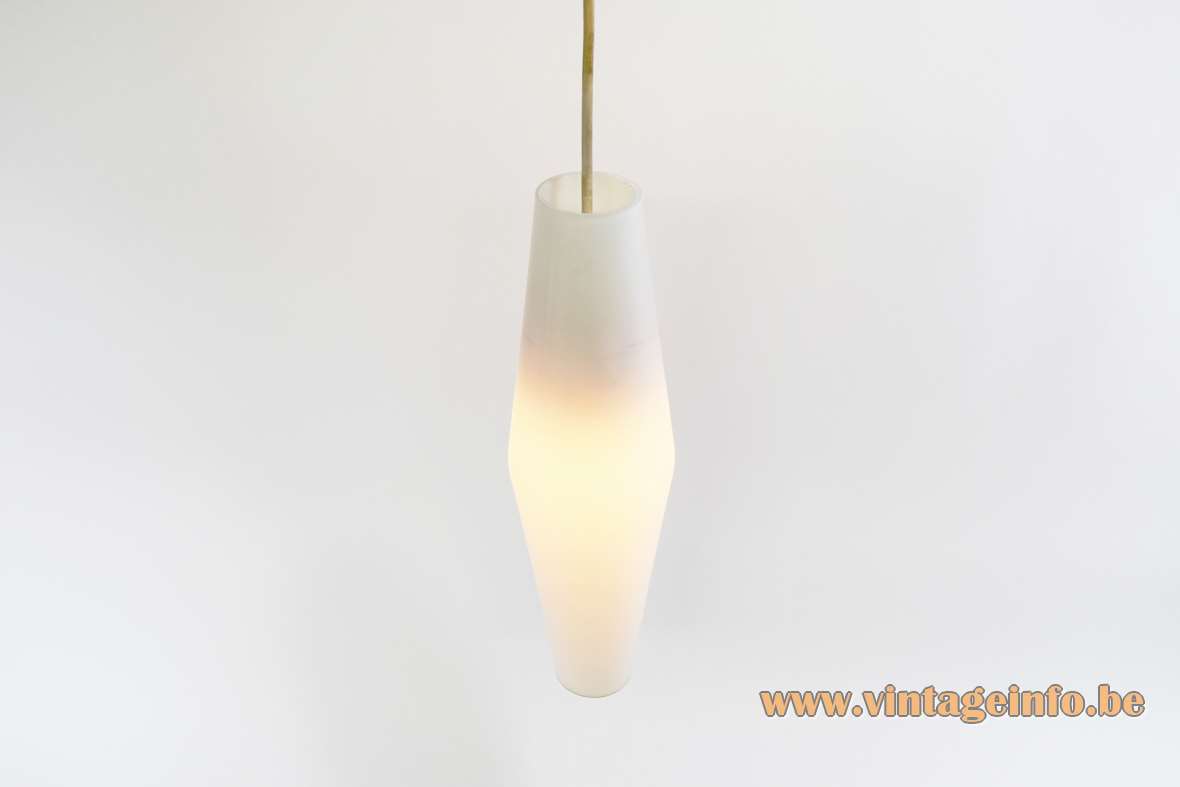
Raak Lantern Pendant Lamp
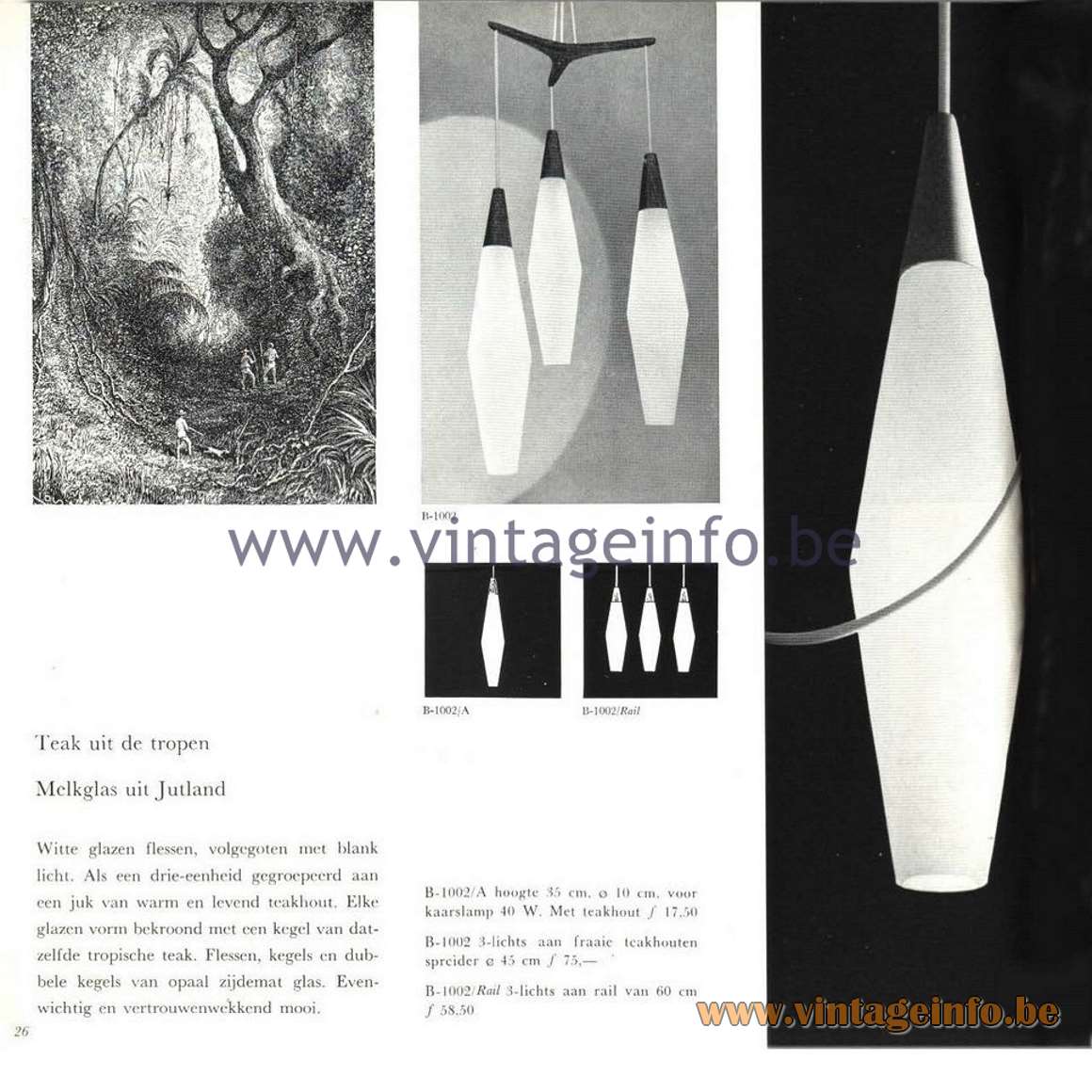
Original text from catalogue 5, 1962 (in Dutch)
(The pendant lamps with a teak top)
Teak uit de tropen
Melkglas uit Jutland
Witte glazen flessen, volgegoten met blank licht. Als een drie-eenheid gegroepeerd aan een juk van warm en leven teak hout. Elke glazen vorm bekroond met een kegel van datzelfde tropische teak. Flessen, kegels en dubbele kegels van opaal zijdemat glas. Evenwichtig en vertrouwenwekkend mooi.
Teak from the tropics Milk glass from Jutland White glass bottles, filled with blank light.As a trinity grouped to a yoke of warm and living teak wood.Each glass shape crowned with a cone of the same tropical teak.Bottles, cones and double cones of opal satin glass.Balanced and confidence-inspiringly beautiful.
Svend Aage Holm-Sørensen
Svend Aage Holm-Sørensen (1913-2004) was a Danish designer best known for his highly distinctive lighting designs from the 1950s, 1960s and 1970s. Before founding his own company, he designed lamps for Fog & Mørup in the 1950s. He later established Holm-Sørensen & Co., from which many of his best-known lamps were produced and distributed.
Holm-Sørensen was a trained ornamental metalworker, and this background can clearly be seen in his work. Many of his lamps are made in brass or copper and are characterized by sculptural silhouettes, perforations, cut edges and surfaces that were often deliberately darkened or burnished to create a more dramatic effect. His designs range from relatively restrained desk lamps to highly expressive wall lamps, pendants and floor lamps.
Although he is mainly remembered for lighting, Svend Aage Holm-Sørensen also designed furniture and smaller objects. Today, his lamps are particularly appreciated for the way they combine Danish modern design with a more rugged, almost brutalist character.
Links (external links open in a new window)
Vintageinfo
Raak Lantern Pendant Lamp
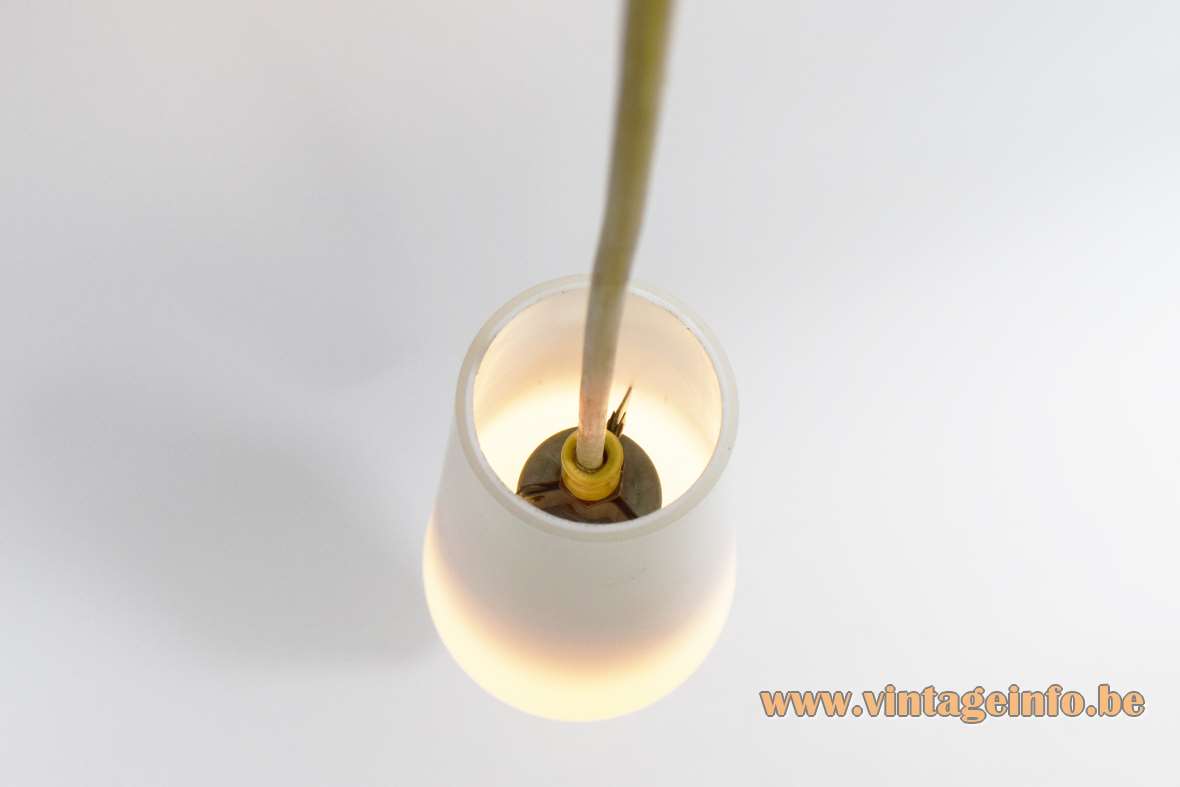
Materials: White opal mat/frosted glass lampshade blown in a lampion/diamond shape. Some metal parts. Bakelite E27 socket.
Cord Length: 60 cm / 23.62’’
Height: 35 cm / 13.77”
Width: ∅ 10 cm / 3.93”
Electricity: 1 bulb E27, 1 x 40 watt maximum, 110/220 volt.
Not any type of light bulb can be used, a small round bulb is preferred.
Period: 1950s, 1960s – Mid-Century Modern.
Designer: Svend Aage Holm-Sørensen.
Manufacturer: Raak Amsterdam, The Netherlands.
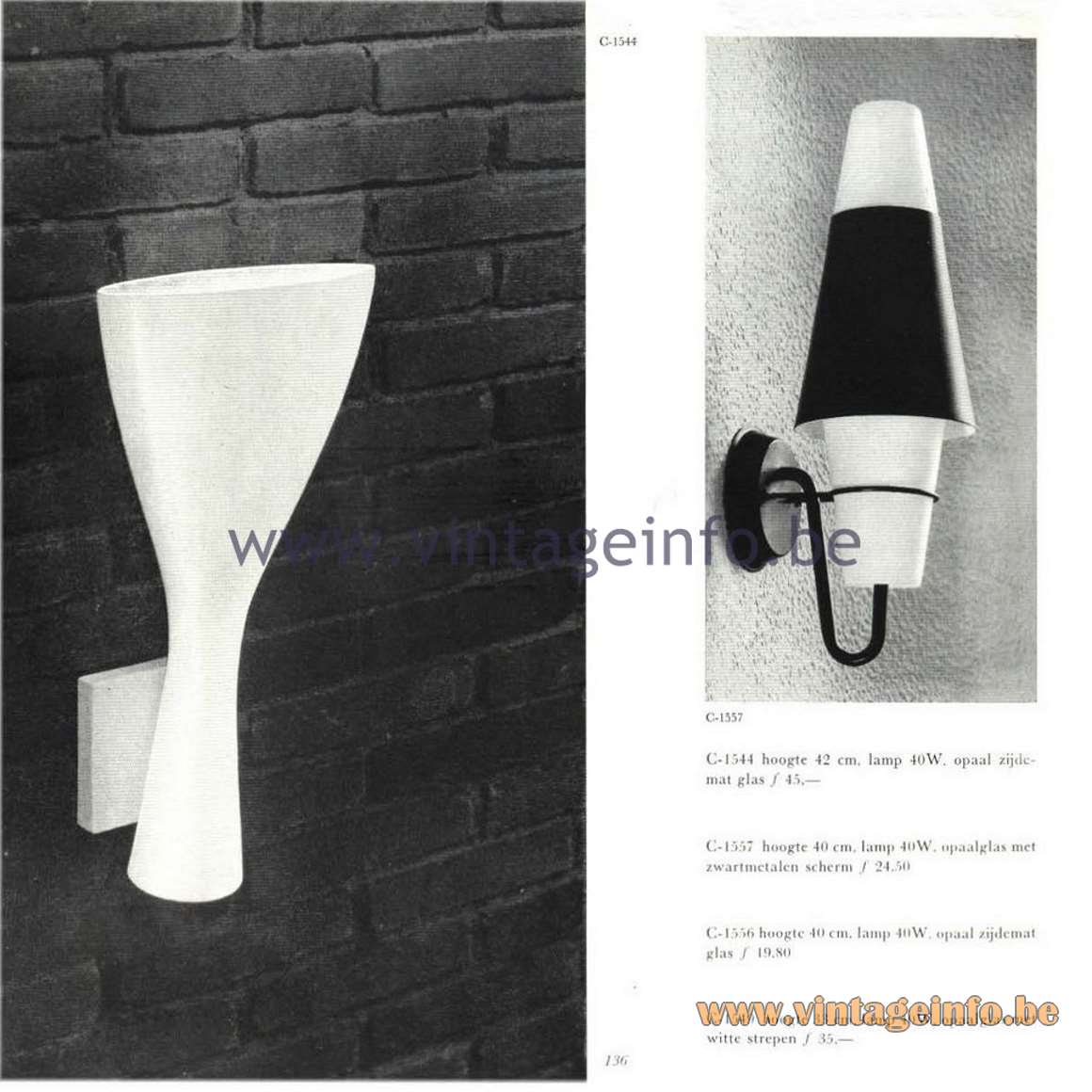
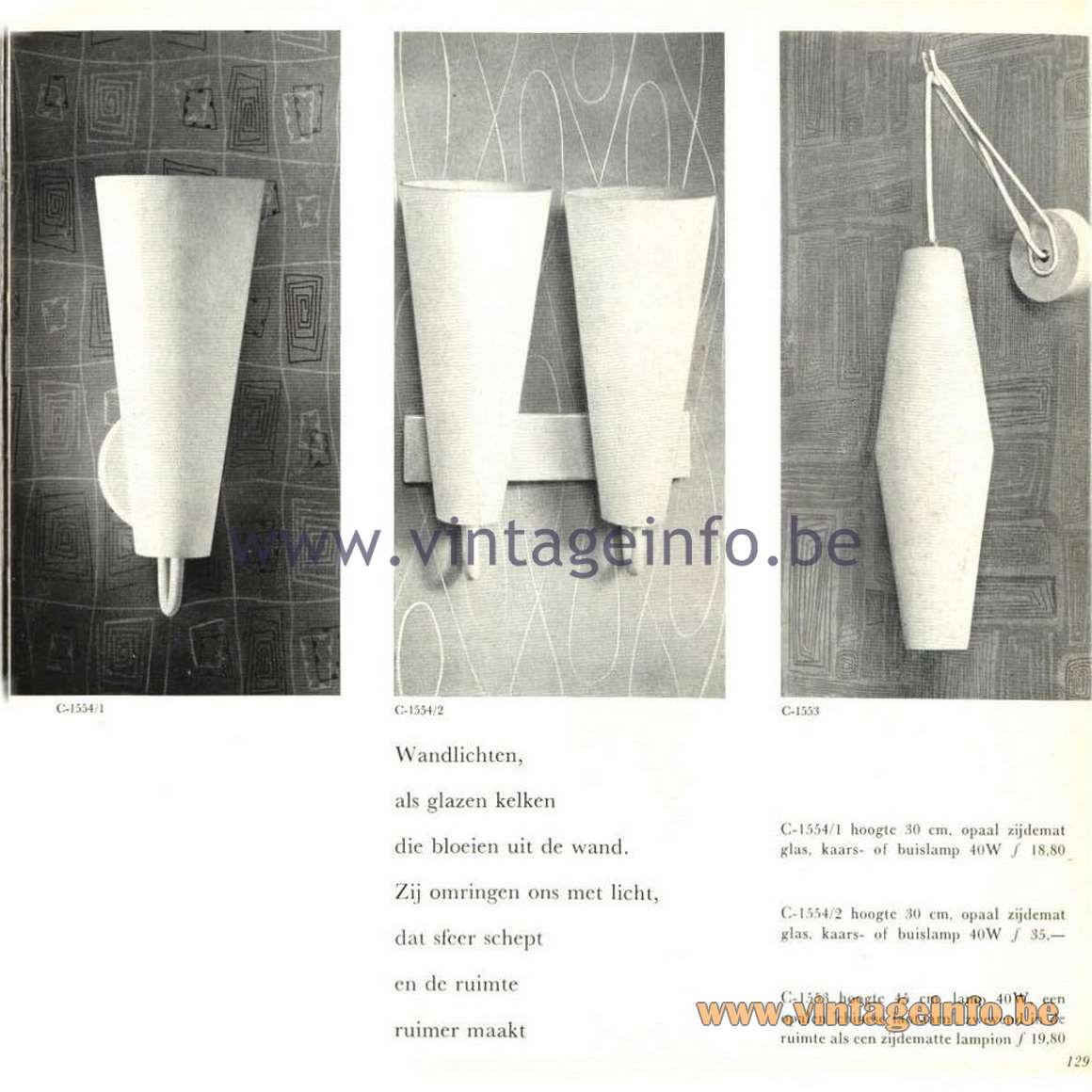
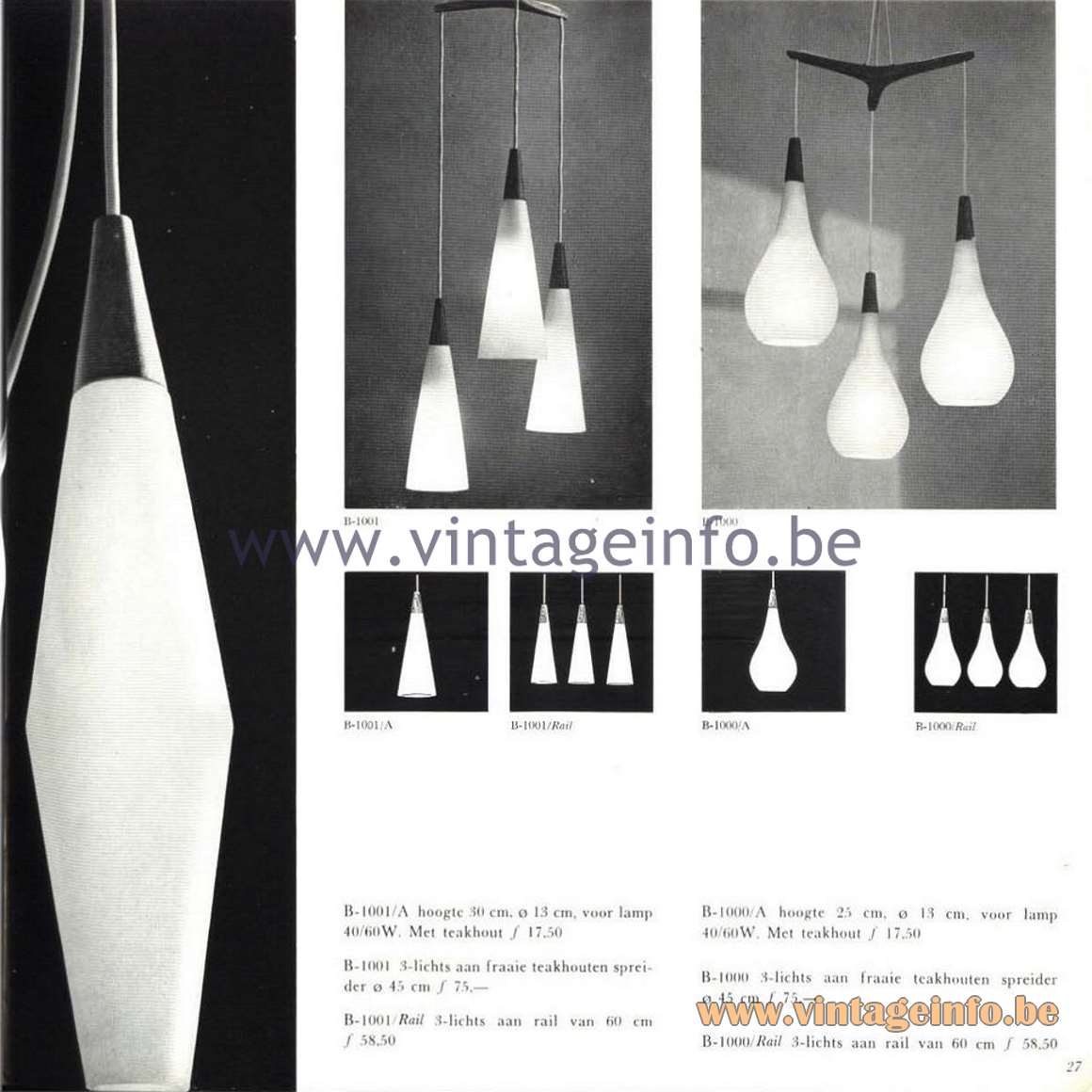
Other versions: The Raak lantern pendant lamp exists in several sizes and was also made in a version with a teak cone on top. It was produced as a single pendant lamp, as a chandelier, as a wall lamp, and as a wall lamp with a black metal hood.
The lamp appears in Raak Catalogue 5 from 1962, as shown below, and can also be found in Catalogues 3 and 4.
According to the catalogue, the glass was made in Jutland, Denmark. The lamp was designed in the late 1950s by Svend Aage Holm-Sørensen, as stated in Catalogue 3. The most famous Danish glass company is Holmegaard, although it is not located in Jutland.
Raak
The Dutch lighting company Raak was founded in 1954 by Carel O. Lockhorn (18 June 1923 – 6 October 2004), who had previously worked for Philips Lighting in Eindhoven. The Dutch word raak can be understood as “on target” or “to hit the mark”, a fitting name for a company that became known for its progressive and carefully considered lighting designs.
Raak is best known for its distinctive Dutch modern lighting of the 1960s and 1970s. Many of their best designs combine glass and metal in a way that feels both elegant and futuristic. Their lighting often has a strong architectural presence, while still retaining a warm and decorative quality. Because of this, Raak became one of the most recognizable names in post-war European lighting.
Over the years, Raak collaborated with a remarkable range of Dutch and international designers and architects, among them Bertrand Balas, Evert Jelle Jelles, Frank Ligtelijn, Ger Vos, Jan Jasper Fayer, Li Helo, Maija-Liisa Komulainen, Nan Platvoet, Nanny Still-McKinney, Nico Kooi, Sergio Asti, Tapio Wirkkala, Willem van Oyen, Rico Baltussen, Kees Terlouw, Yki Nummi, Tobia Scarpa, Berend Bodenkamp, Arihiro Miyake and others.
Collaborations
Raak also worked together with several other lighting and glass companies. For the well-known Globe series, the glass was produced by the German company Peill+Putzler. Raak also sold lamps made by Peill+Putzler, including models designed by Aloys Ferdinand Gangkofner. For the Discus flush mount, the glass was made by the German company Bega. In the late 1950s, Raak also cooperated with the Belgian glass manufacturer Val Saint Lambert for the Stalactites flush mounts. In addition, Raak marketed several lamps produced by Staff Leuchten in Germany, as well as models connected to other European manufacturers.
Carel Lockhorn sold the company in 1974 to ITT, although he remained director until 1977. In 1980, Raak merged with BIS Lighting from Aalsmeer in The Netherlands and continued under the name BisRaak. In 1986, the company became independent again. By then, the collection had changed considerably: the more expressive and decorative character of the 1960s and 1970s gradually gave way to a more restrained, architectural look, often in black, white and grey.
In 1999, Raak merged with Artilite B.V. and Indoor B.V. and became CLA: Centrum voor Lichtarchitectuur B.V. in Drachten. The term Lichtarchitectuur had already been used by Raak as a slogan from the early years onward. CLA was founded by Egbert Keen. The company was declared bankrupt on 19 May 2011.
Raak received 26 iF Design Awards. As the company only began entering the competition in 1980, that number might otherwise have been even higher.
Raak Lantern Pendant Lamp – Catalogue Pictures

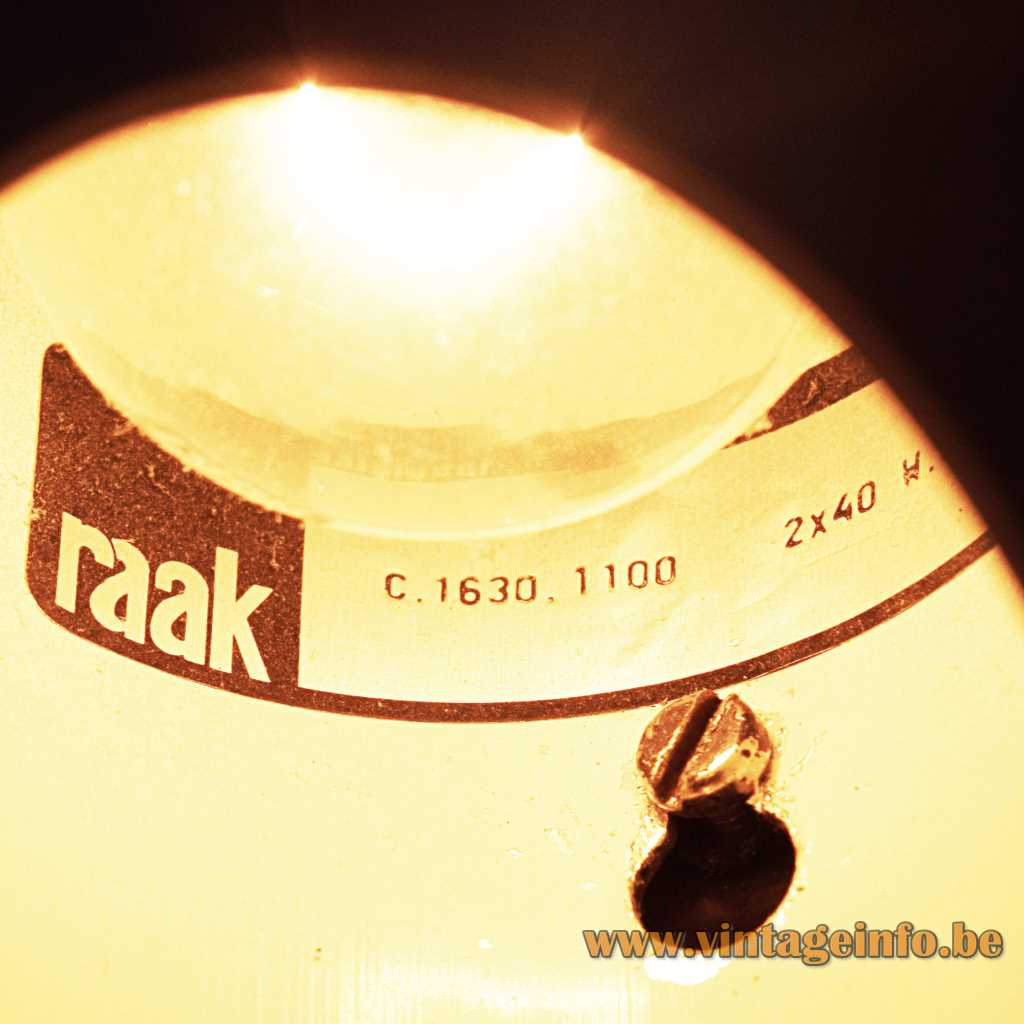
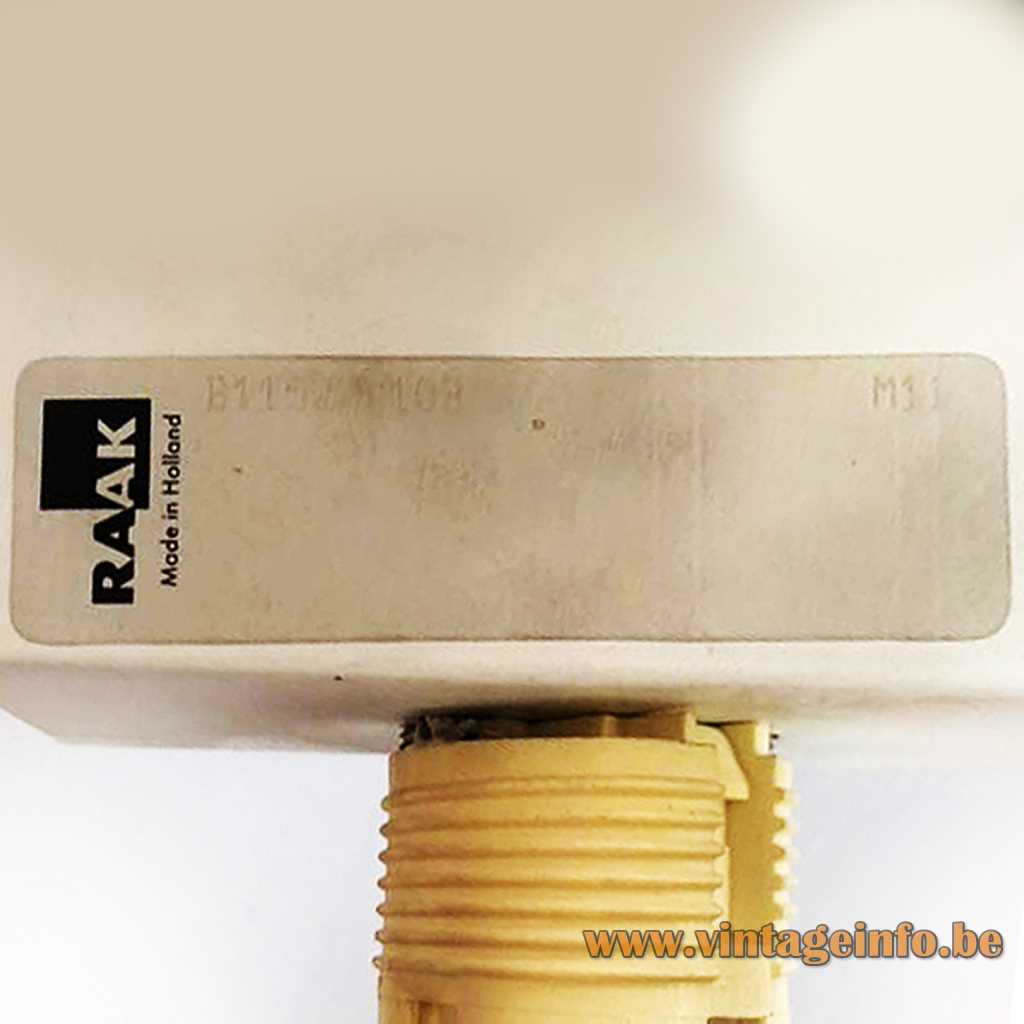
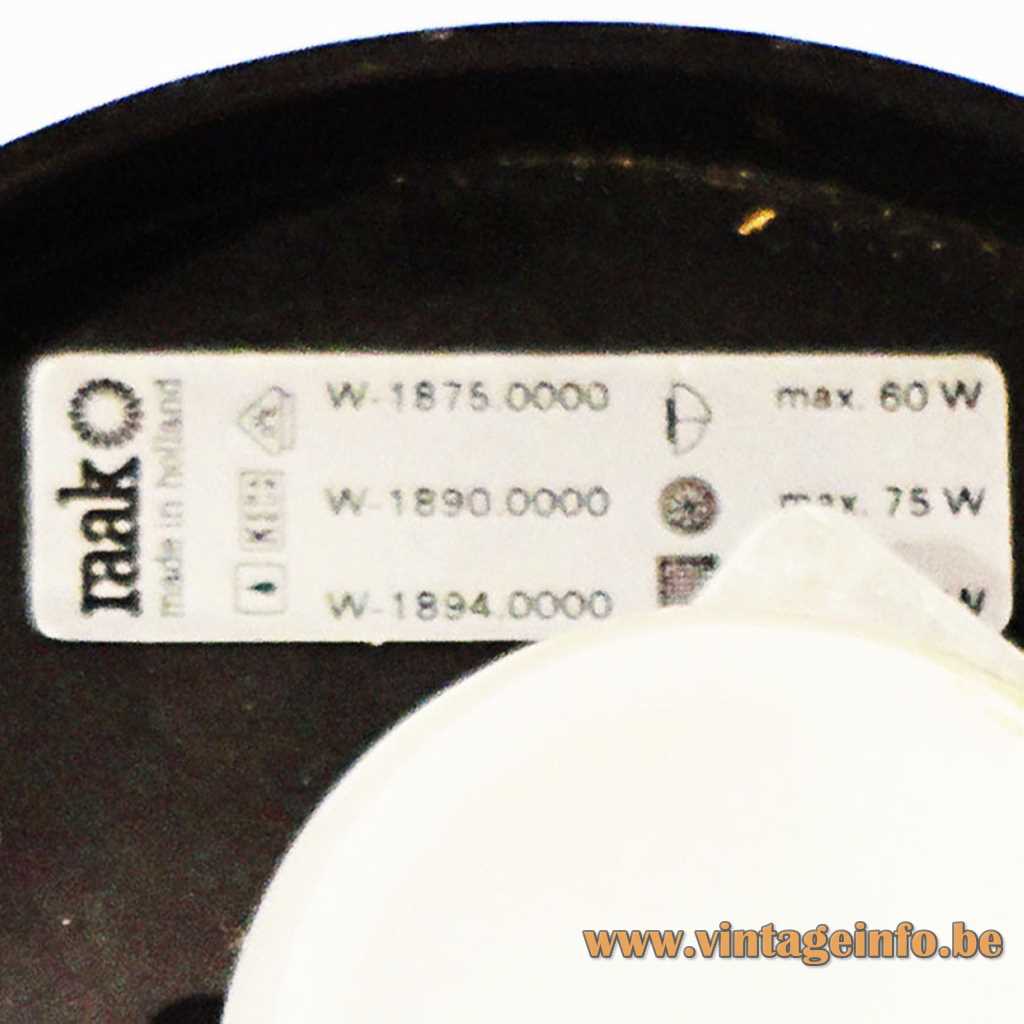
Raak Lantern Pendant Lamp – Company Labels