- Categories
- Categories
Last 5 Viewed
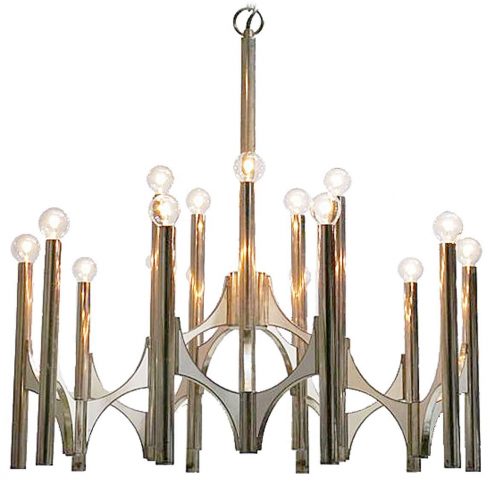
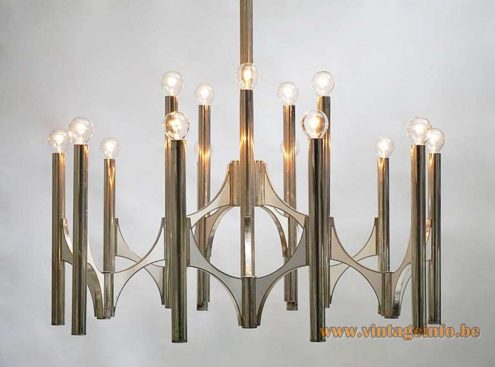
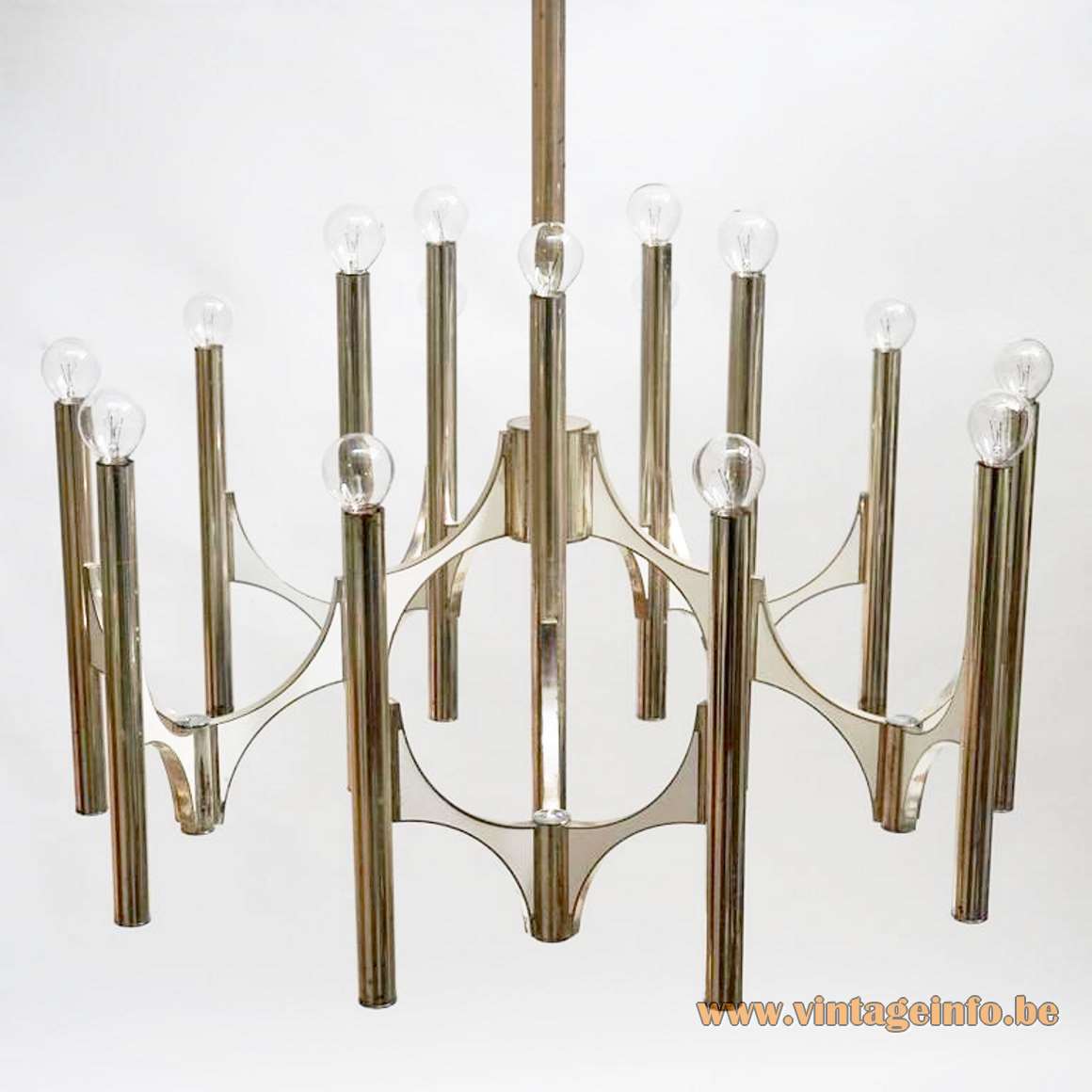
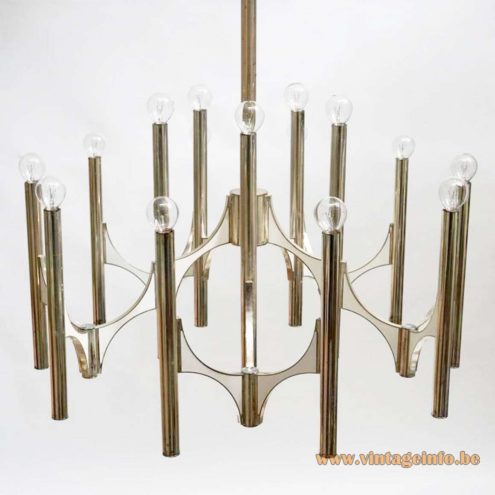
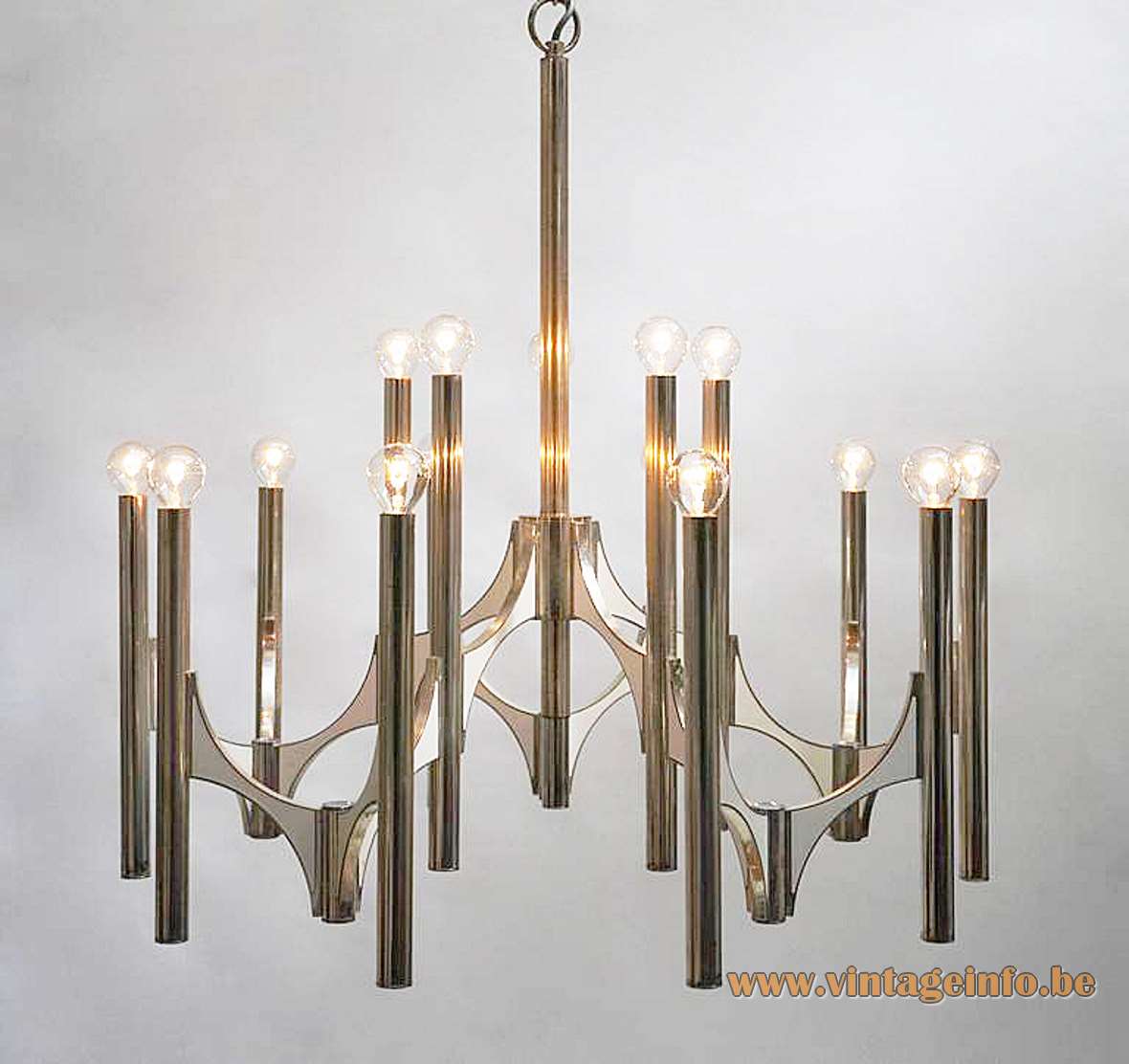
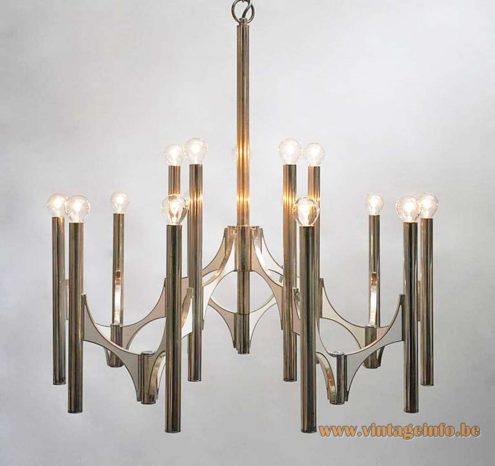
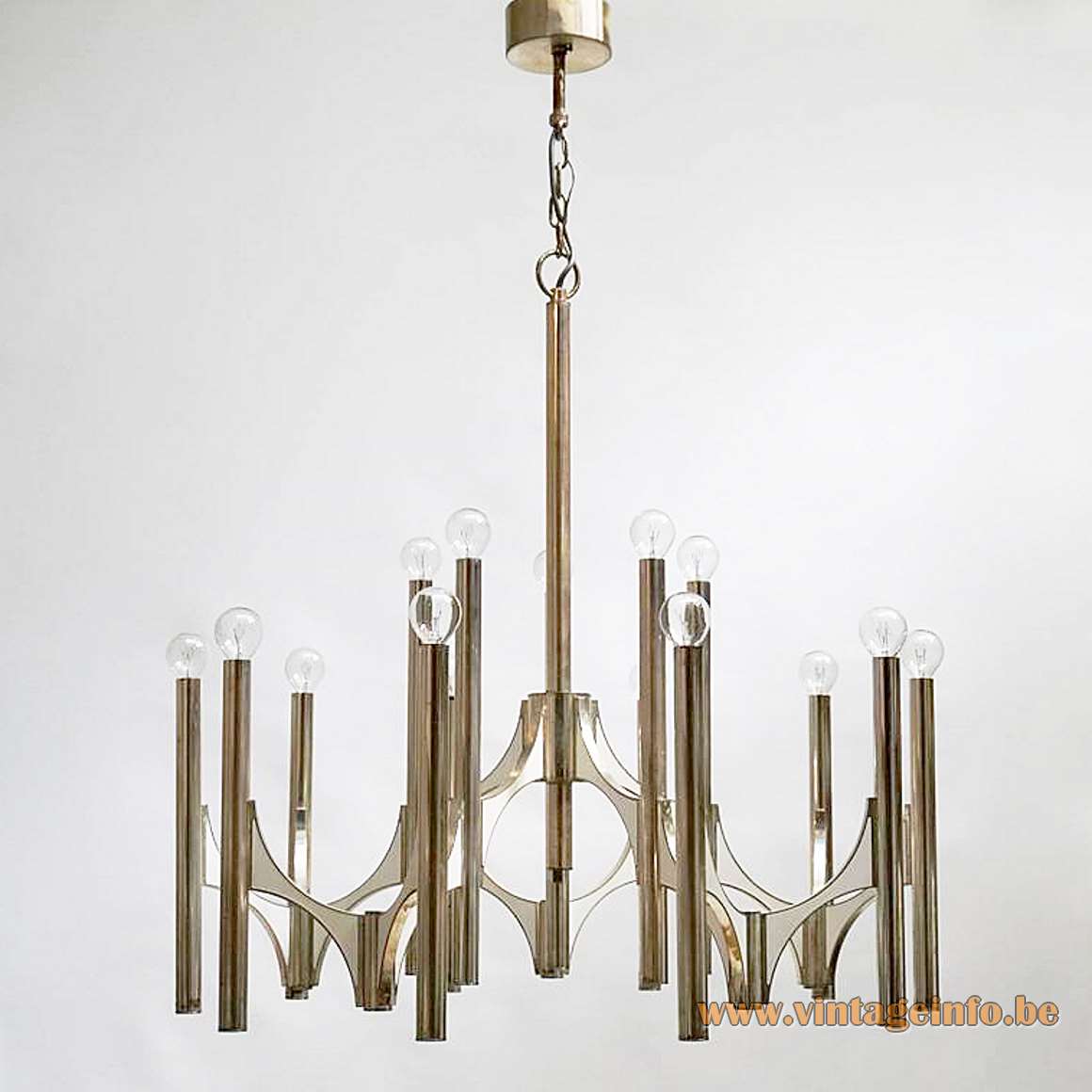
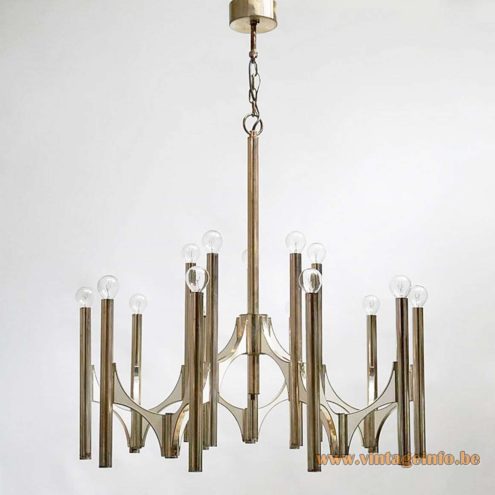
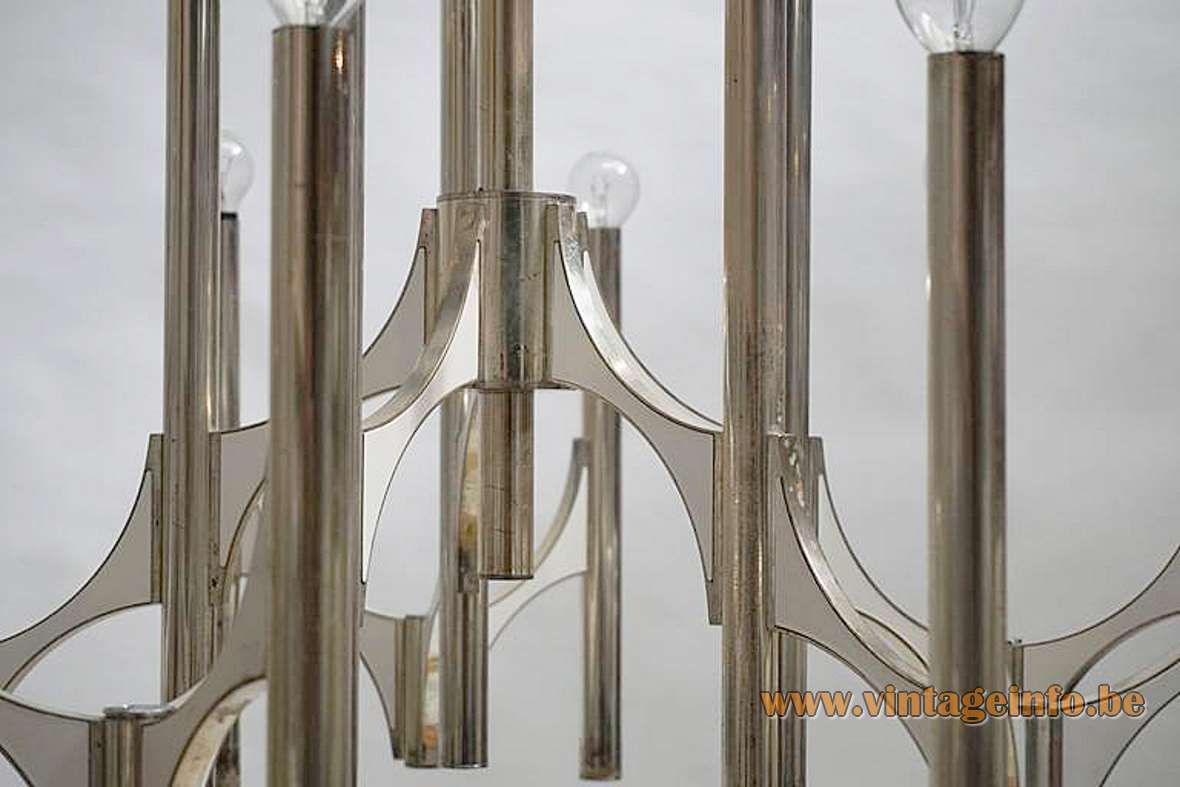
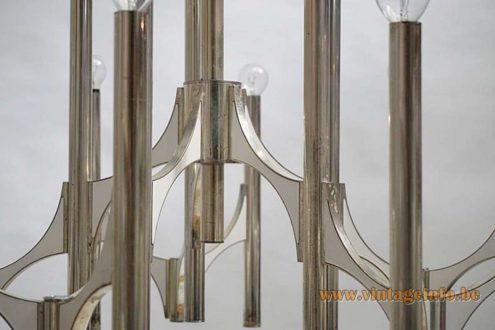
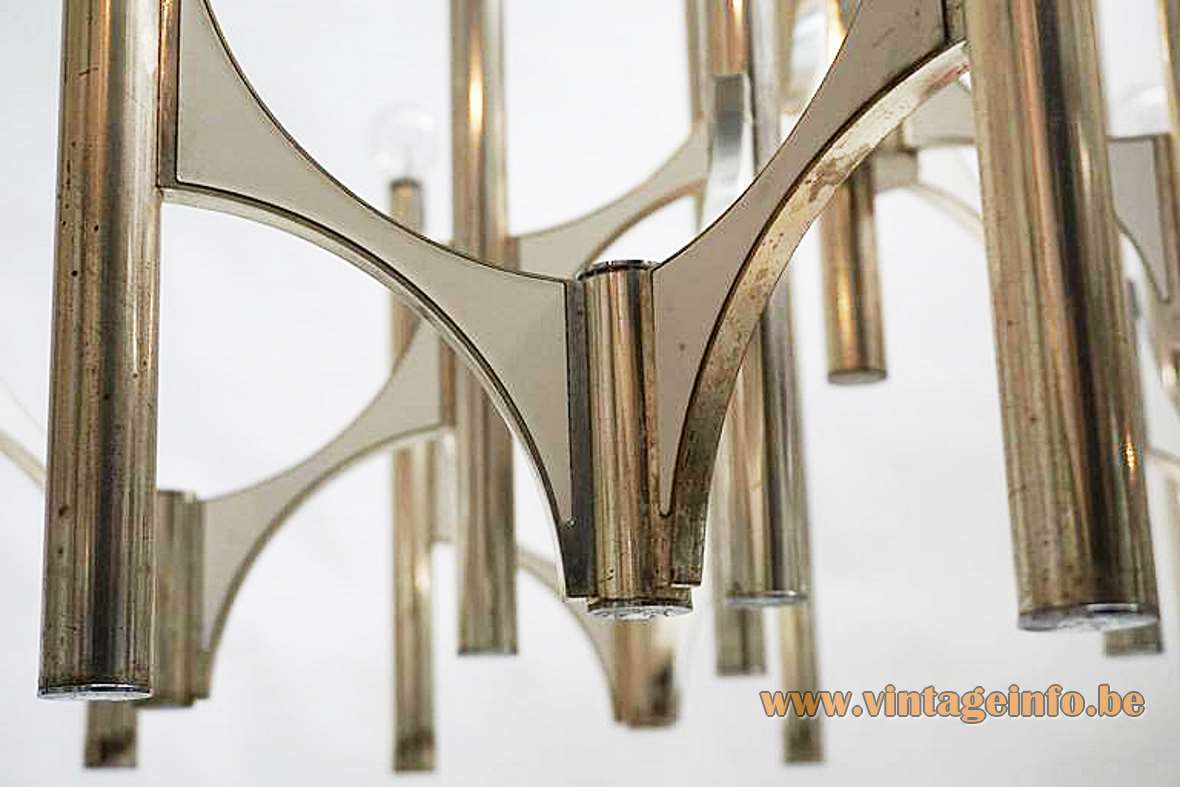
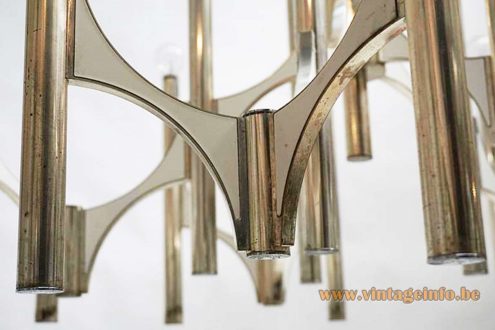
Gaetano Sciolari Orbit chandelier – 1969 Lightoliercatalogue
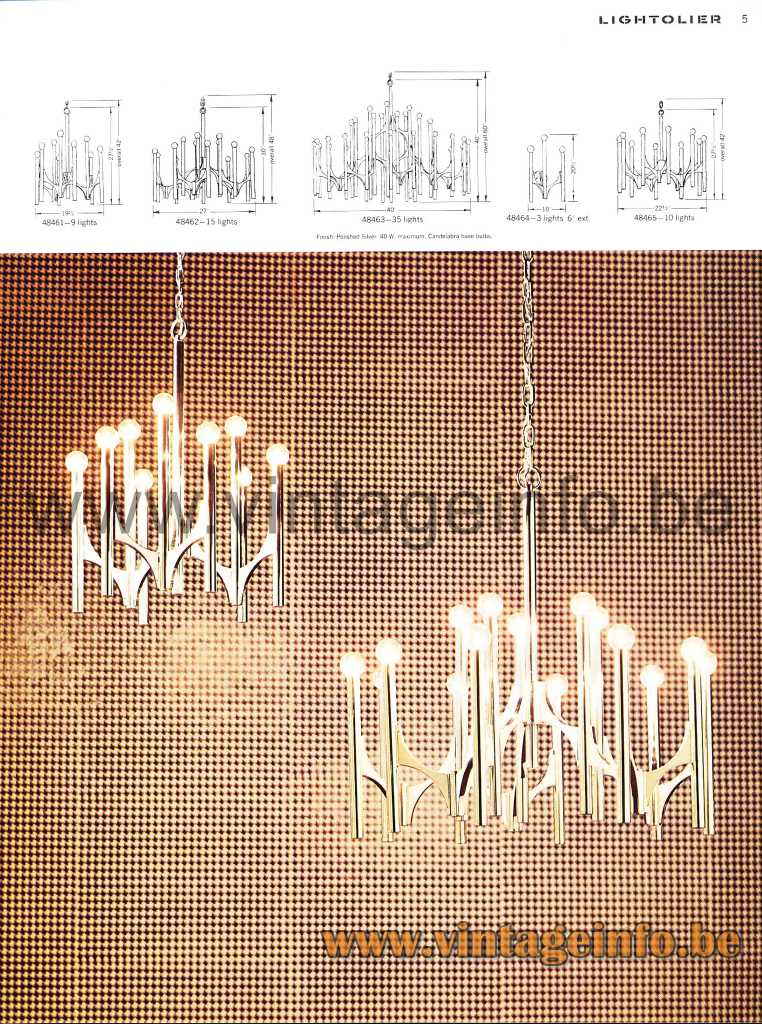
“Sculptural theme: fluidity and interplay of shapes. A space-form of highly polished silverplate, its brilliance punctuated by a double rhythm of round bulbs and matte white arcs. For the environment whose role is keeping in step with what will be.” Model 48460 (6 lights).
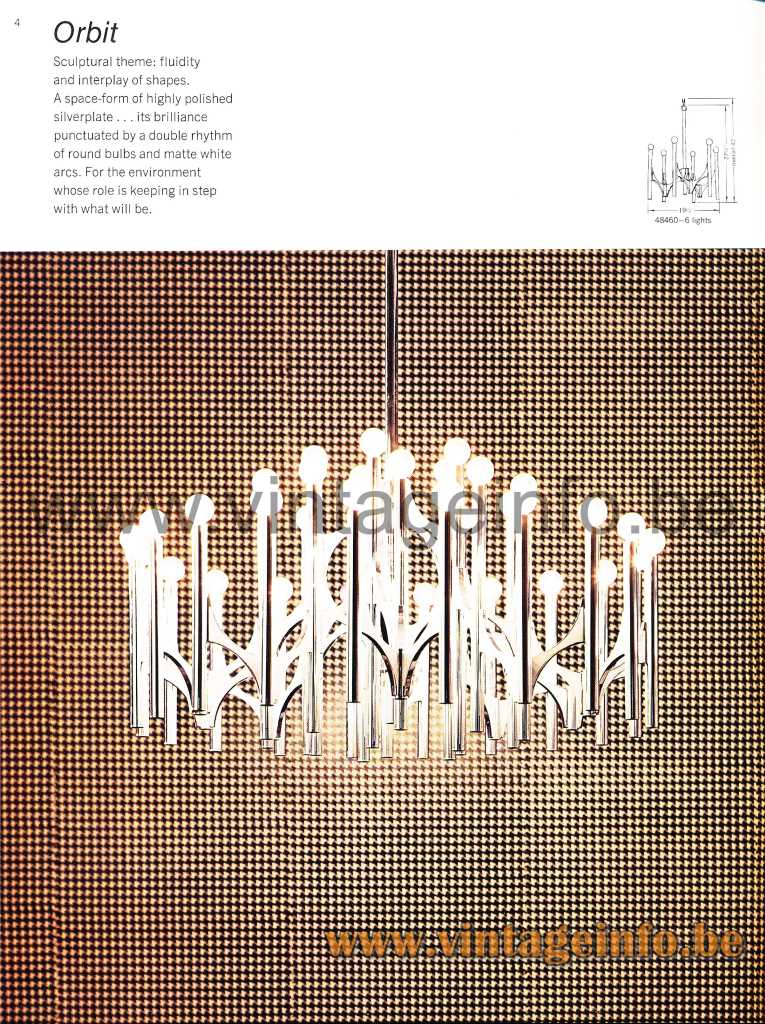
Gaetano Sciolari Orbit chandelier – 1969 Lightoliercatalogue
The Orbit chandelier was offered under model numbers 48461 (9 lights), 48462 (15 lights), 48463 (35 lights), 48464 (3 lights, 6 exterior) and 48465 (10 lights). Finish: polished brass. 40W maximum. Candelabra base lamps.
Gaetano Sciolari Sculptura, Scultura chandeliers – 1981 Lightolier catalogue
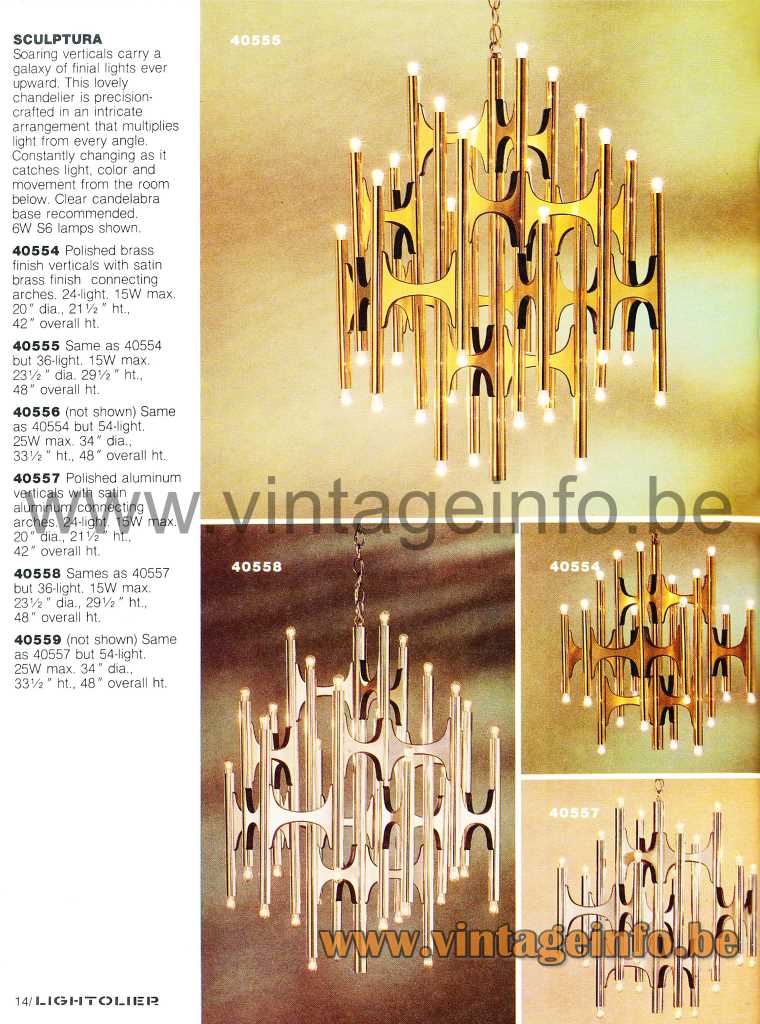
“Sculptura” is described as a chandelier with soaring verticals carrying a galaxy of finial lights upward, precision-crafted in an intricate arrangement that multiplies light from every angle and constantly changes as it reflects light, color and movement from the room below. Clear candelabra base recommended; 6W S6 lamps shown. Model 40554 features polished brass verticals with satin brass connecting arches (24 lights, 15W max., 20″ diameter, 21½” height, 42″ overall height); 40555 is the 36-light version (23½” diameter, 29½” height, 48″ overall height); 40556 (not shown) is the 54-light version (25W max., 34″ diameter, 33½” height, 48″ overall height). Model 40557 features polished aluminum verticals with satin aluminum connecting arches (24 lights, 15W max., 20″ diameter, 21½” height, 42″ overall height); 40558 is the 36-light version (23½” diameter, 29½” height, 48″ overall height); 40559 (not shown) is the 54-light version (25W max., 34″ diameter, 33½” height, 48″ overall height).
Many thanks to Frank from Flowermountain for the pictures.
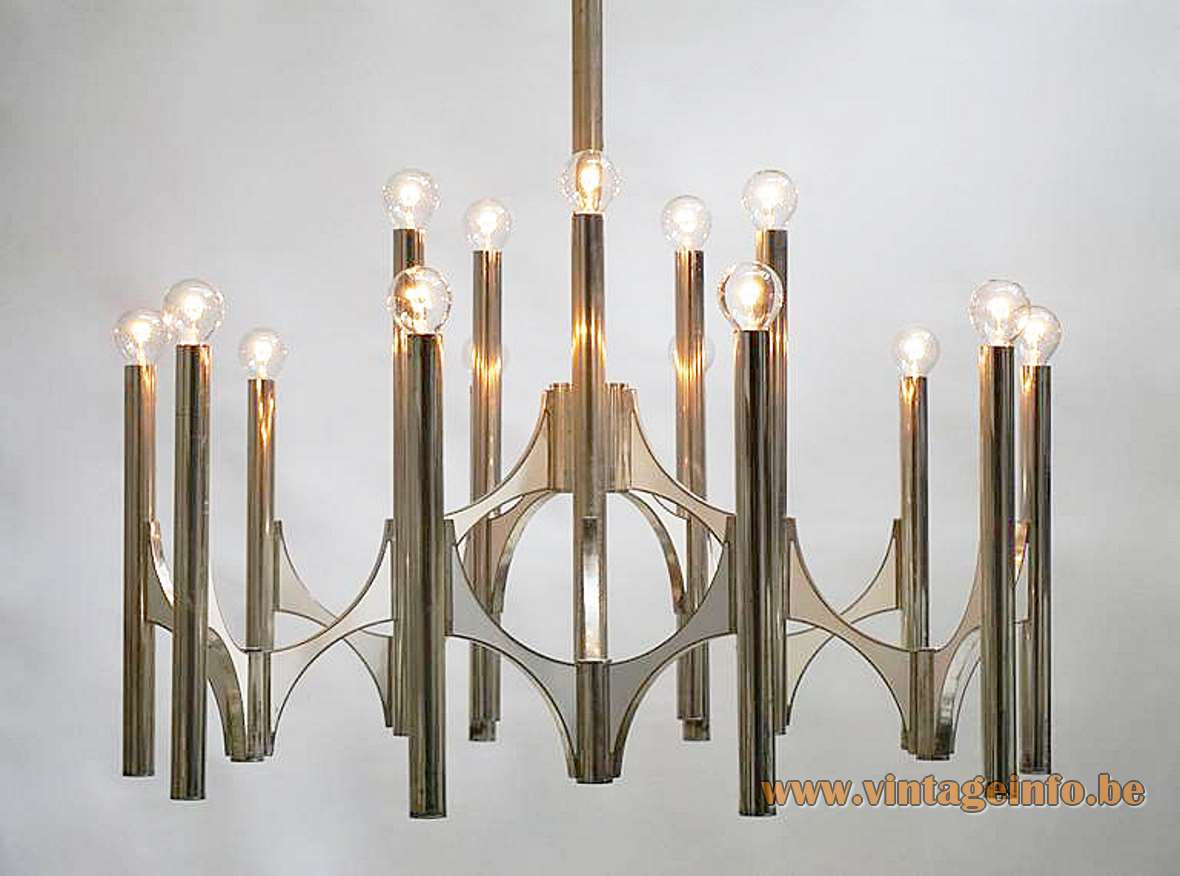
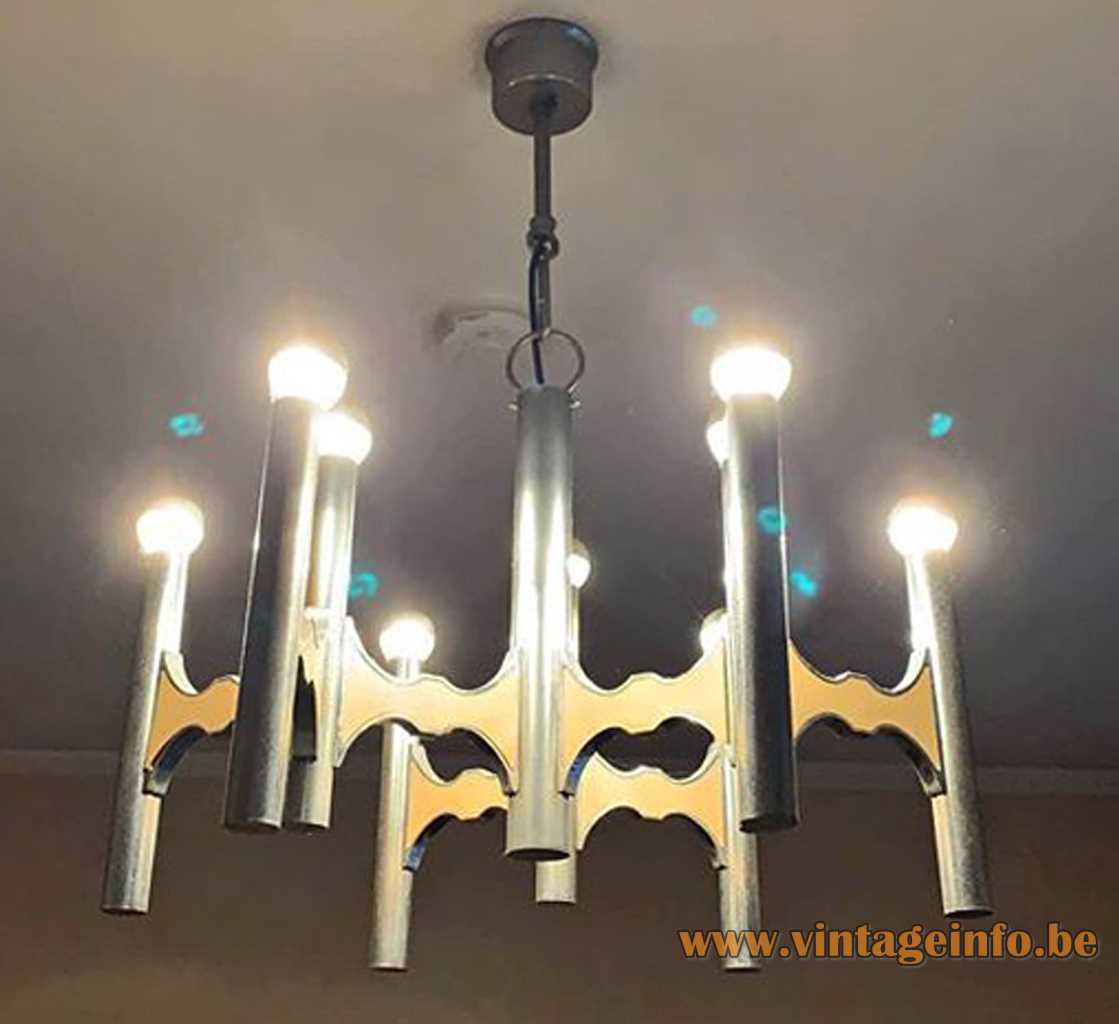
Gaetano Sciolari Orbit Chandelier
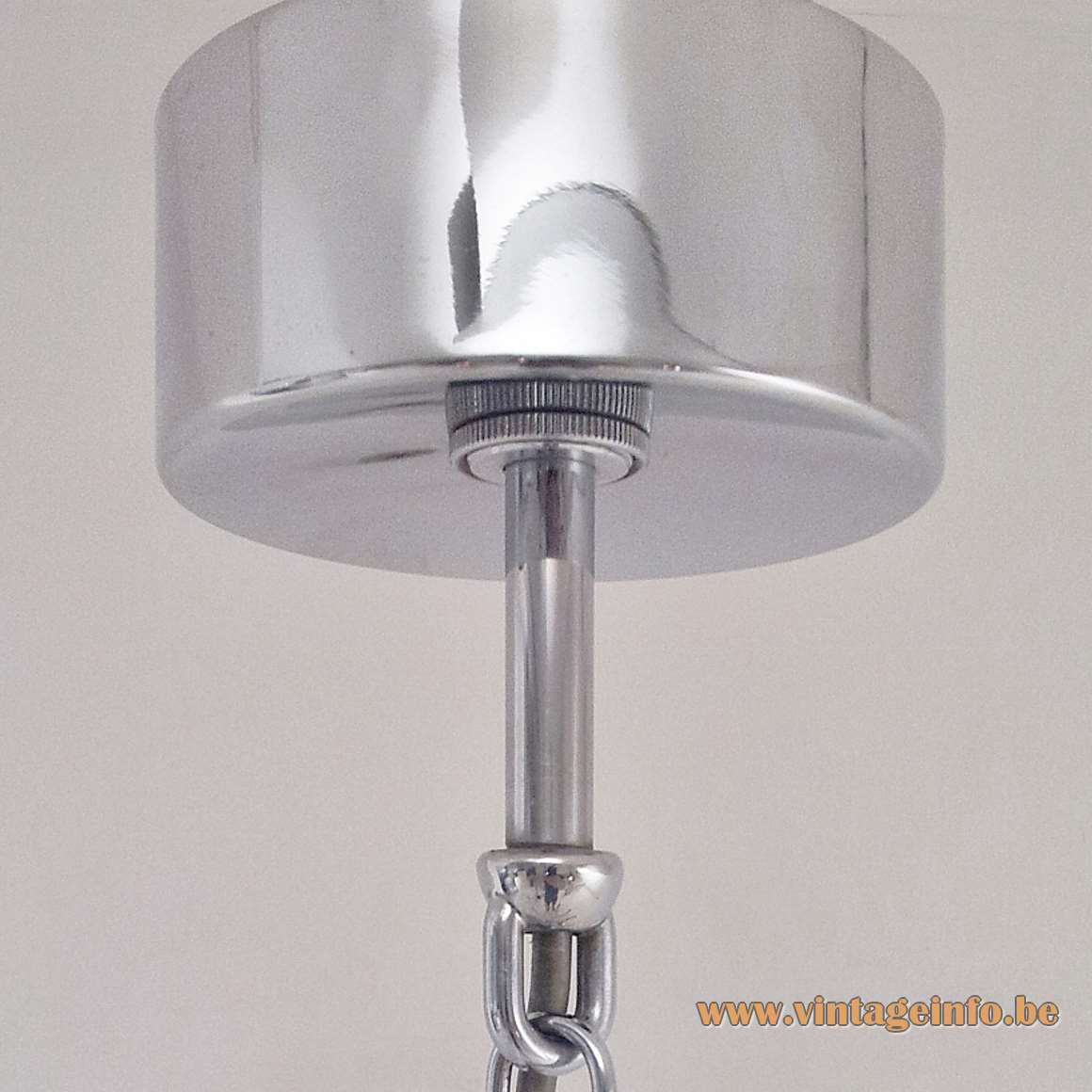
Materials: Classic candlestick style lampshade made of chromed metal (iron and brass) curved and straight rods and tubes. Decorated with brushed aluminium parts. Chrome chain & canopy. Some metal parts. 15 Bakelite E14 sockets.
Chain Length: 40 cm / 15.74”
Height: 75 cm / 29.52”
Width: ∅ 77 cm / 30.31”
Electricity: 15 bulbs E14, 15 x 40 watt maximum, 110/220 volt.
Any type of light bulb can be used, not a specific one preferred.
Period: 1960s – Mid-Century Modern.
Designer: Angelo Gaetano Sciolari (1927-1994).
Manufacturer: Sciolari Illuminazione, Milan and Rome, Italy.
Other versions: The Gaetano Sciolari Orbit chandelier exists in several variations, with differing numbers of light sources, suspended either from a chain or mounted directly to the ceiling, and in finishes ranging from mixed materials to fully brass versions. Wall-mounted models and a floor lamp were also produced.
The 1960s versions feature a different canopy from the 1970s editions, as illustrated below. The left example dates from the 1960s, while the right one is from the 1970s. In most seventies models, the label is located inside the canopy. The present example is a 1970s version.
A closely related model is the Scultura (also spelled Sculptura). These two designs are often confused. However, the differences are clearly visible in the catalogue photographs published by Lightolier.
To add to the confusion, Lyfa in Denmark marketed these lamps under the name Scultura.
Versions of this chandelier were also produced or distributed by several of the companies listed below, each with their own variations in canopy design and labeling, when present.
Unfortunately, numerous copies were produced. Companies such as Massive of Belgium manufactured their own interpretations, contributing to the widespread confusion. The company became well known for producing adaptations of popular international designs.
Angelo Gaetano Sciolari
Angelo Gaetano Sciolari (1927–1994) graduated in architecture but initially aspired to become a filmmaker. In 1949, at the age of 22, he took over the family lighting company after the sudden death of his father. This unexpected responsibility marked the beginning of what would become one of the most recognisable names in post-war Italian lighting design.
During the late 1950s and early 1960s, Sciolari collaborated with Stilnovo, one of Italy’s most important lighting manufacturers. He is often cited as having worked closely with the company during this formative period, contributing to the development of more sculptural and architecturally structured lighting forms. While documentation is sometimes inconsistent, several designs attributed to him reflect the clean lines and refined metalwork associated with Stilnovo at the time. His approach combined rational architectural thinking with a sense of theatrical presence — something that would later define his independent work.
In the 1950s, Sciolari also introduced bold Sputnik-inspired chandeliers, reflecting the fascination with the Space Age. Throughout the 1960s and especially the 1970s, he developed a distinctive architectural style characterised by modular structures, strong geometric compositions and the combination of brass, chrome, polished steel and crystal elements. His cubic and linear chandeliers, in particular, became iconic and were widely exported, especially to the United States.
Beyond his own company, Sciolari designed lighting for several international manufacturers. In Italy, he worked with Stilnovo, Stilkronen and Ecolight, a brand of the company Valenti. In Spain, he designed models for Metalarte. His work also appeared in the catalogues of Lightolier and Progress Lighting (USA), S.A. Boulanger (Belgium), Helestra and Leola (West Germany), and Lyfa (Denmark). Under his leadership, the Sciolari company, based in Rome and later also active in Milan, expanded significantly and became an internationally recognised brand.
It should also be noted that, in addition to his more refined and architecturally ambitious designs, the Sciolari company produced a considerable number of more conventional lighting fixtures. Like many successful manufacturers of the period, the brand offered a broad commercial range aimed at different market segments. As a result, not every lamp bearing a Sciolari label reflects the same level of design innovation or aesthetic quality. While some models are highly sought after and representative of his strongest work, others were clearly produced for wider distribution and should be evaluated accordingly. Collectors today tend to focus primarily on his architectural and modular designs, which represent the most distinctive and influential expression of his design language.
Sciolari was also the founder and first president of AIDI (Associazione Italiana di Illuminazione), established in 1958, an association created to promote Italian lighting manufacturers and innovation within the industry.
Angelo Gaetano Sciolari remains an important figure in post-war Italian lighting design, particularly for his sculptural and modular chandeliers that helped define the glamour of 1960s and 1970s interiors.
Sixties canopy
Seventies canopy

Lamps In The Movies
Meteor (1979)
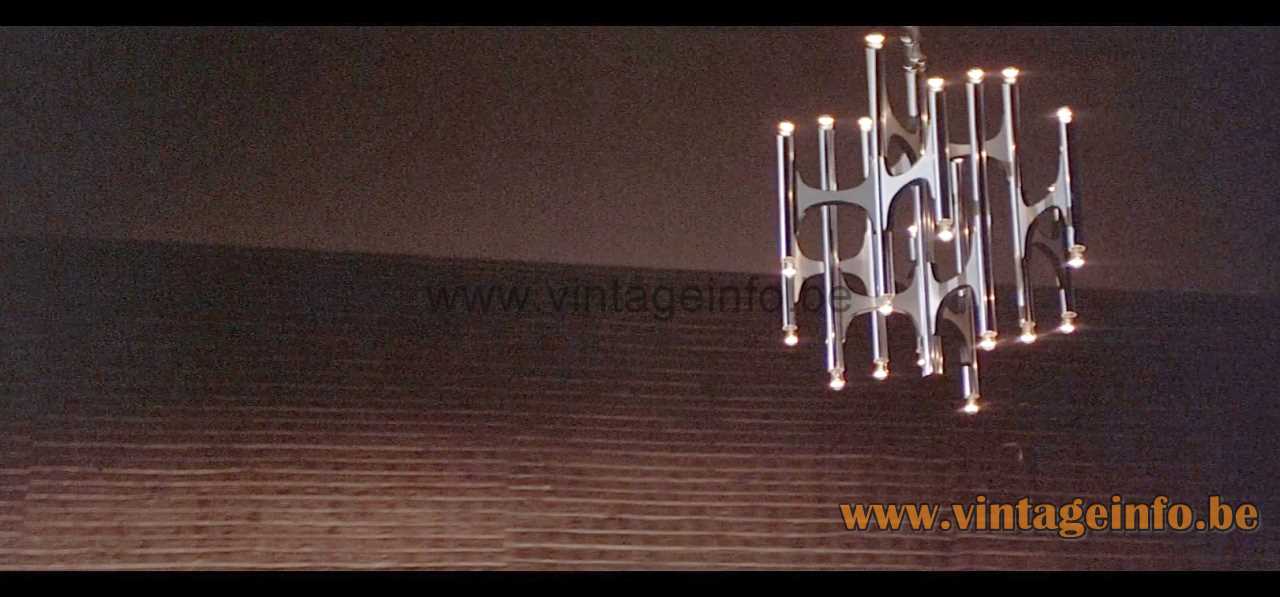
A Gaetano Sciolari Scultura chandelier was used as a set decoration in the 1979Hong Kong–American science fiction disaster film Meteor. Starring Sean Connery, Natalie Wood and Karl Malden.
Gaetano Sciolari Orbit chandelier – 1970s copy by Massive Belgium
These chandeliers are often sold as made by Sciolari, but they are not!
To quote George Kovacs, a well know American designer: “A copy is a good idea that lost it’s soul”.
Links (external links open in a new window)
Sciolari Illuminazione website
Facebook Sciolari Illuminazione
Associazione Italiana di Illuminazione website (AIDI)
Lyfa Scultura lamps – Danish-Lights website
Vintageinfo
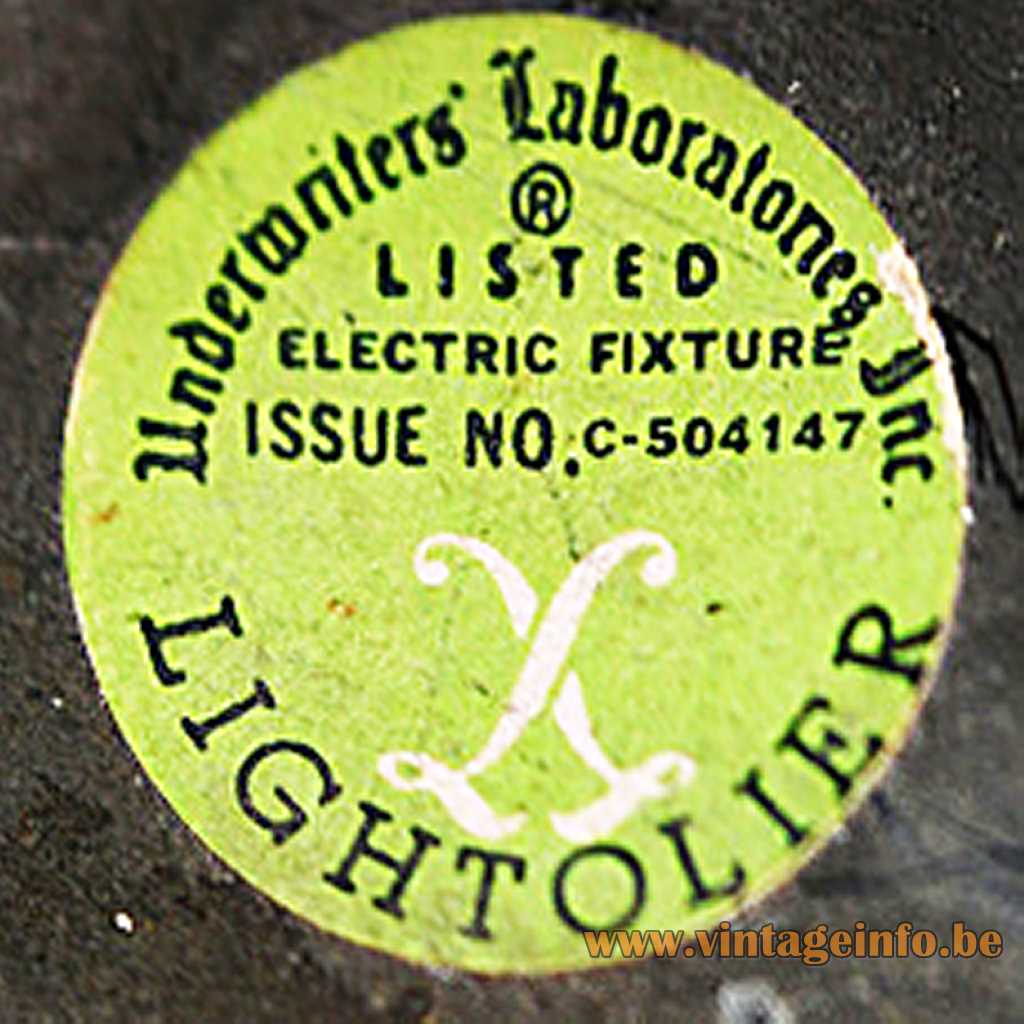
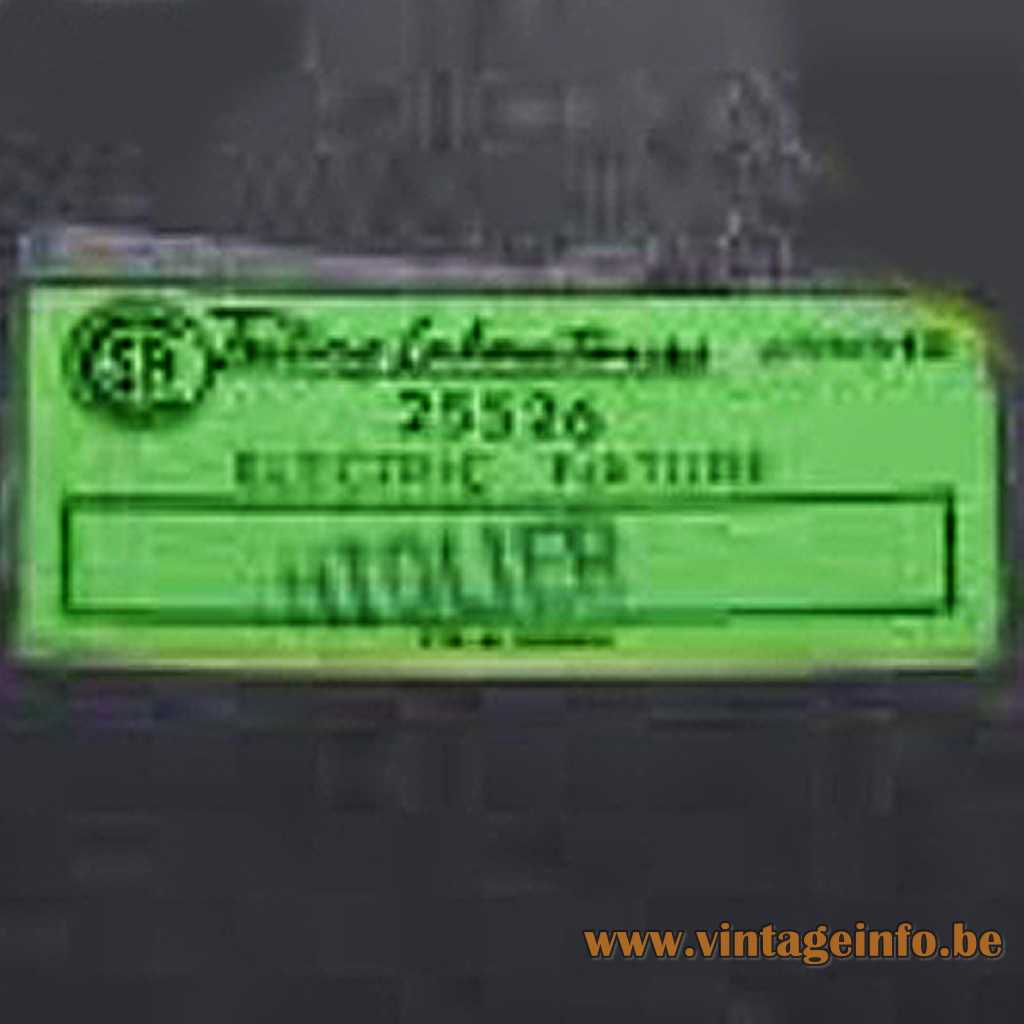
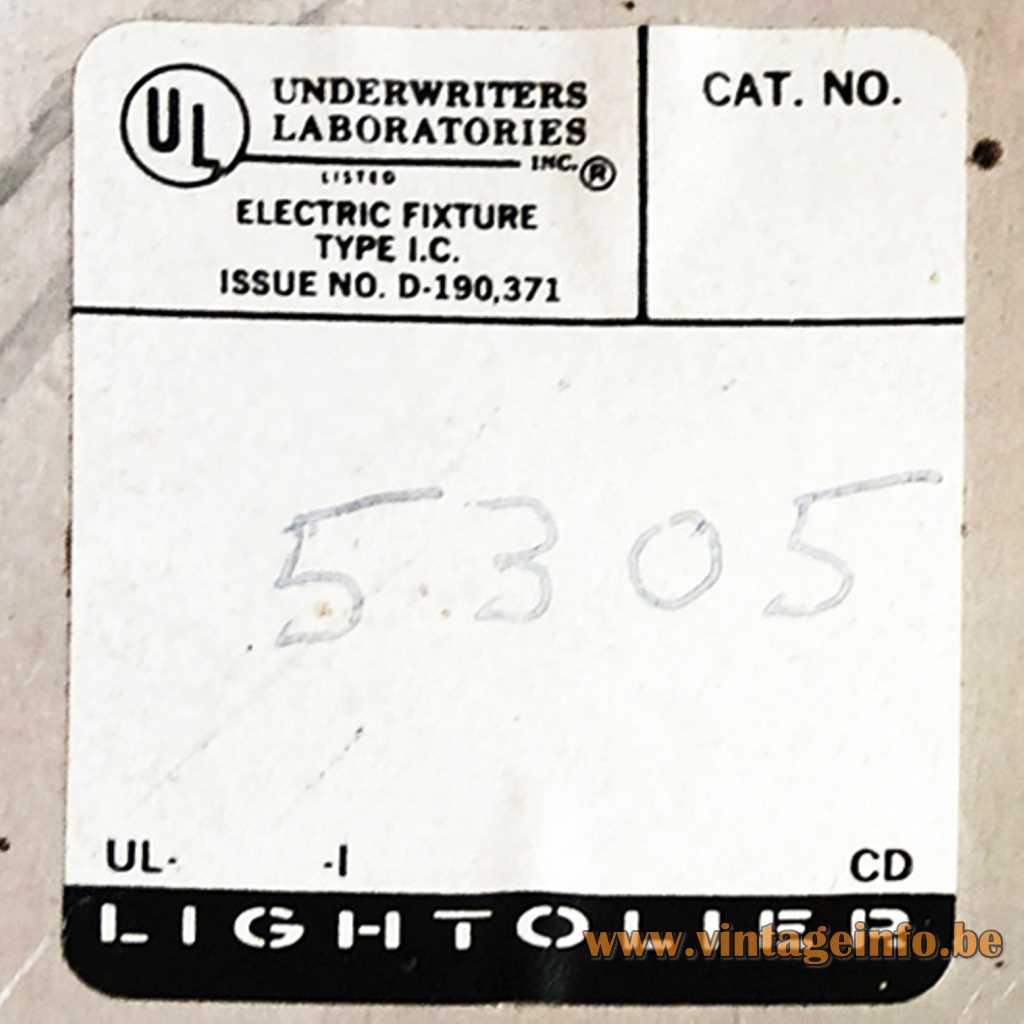
Gaetano Sciolari Orbit Chandelier – Company Labels & Logos