- Categories
- Categories
Last 5 Viewed
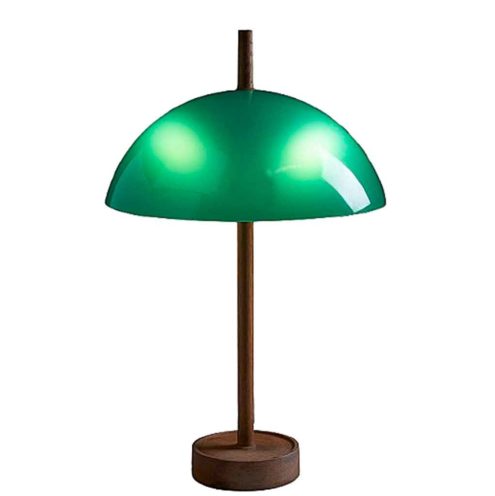
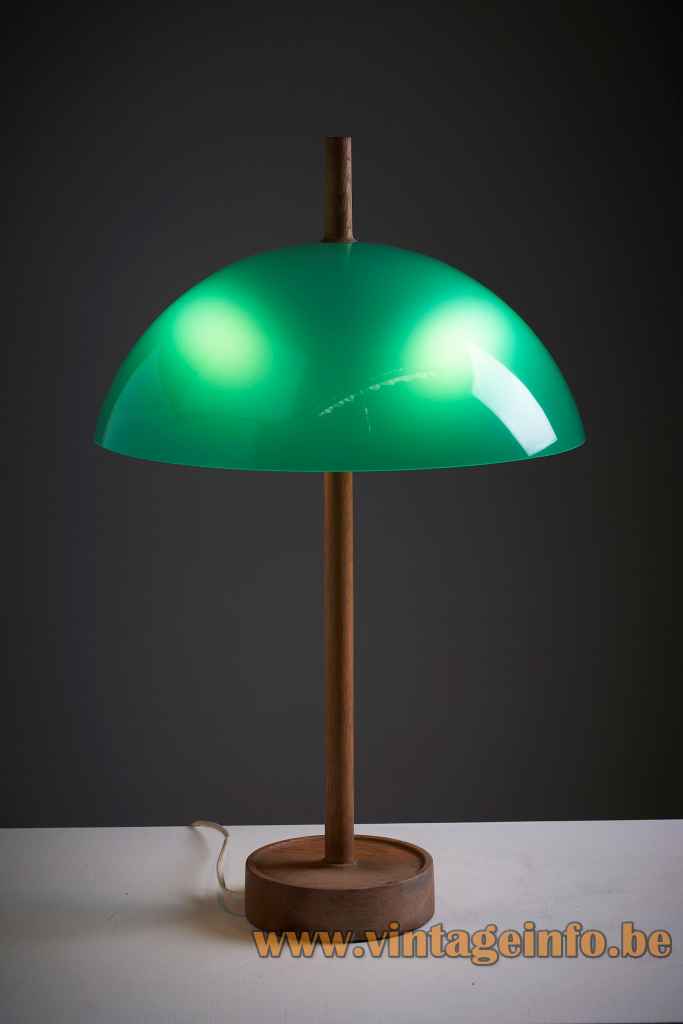
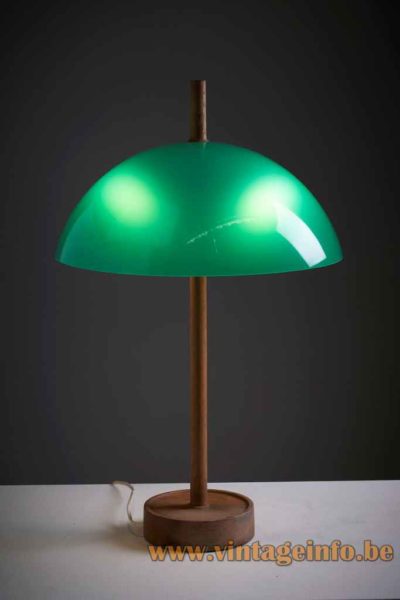
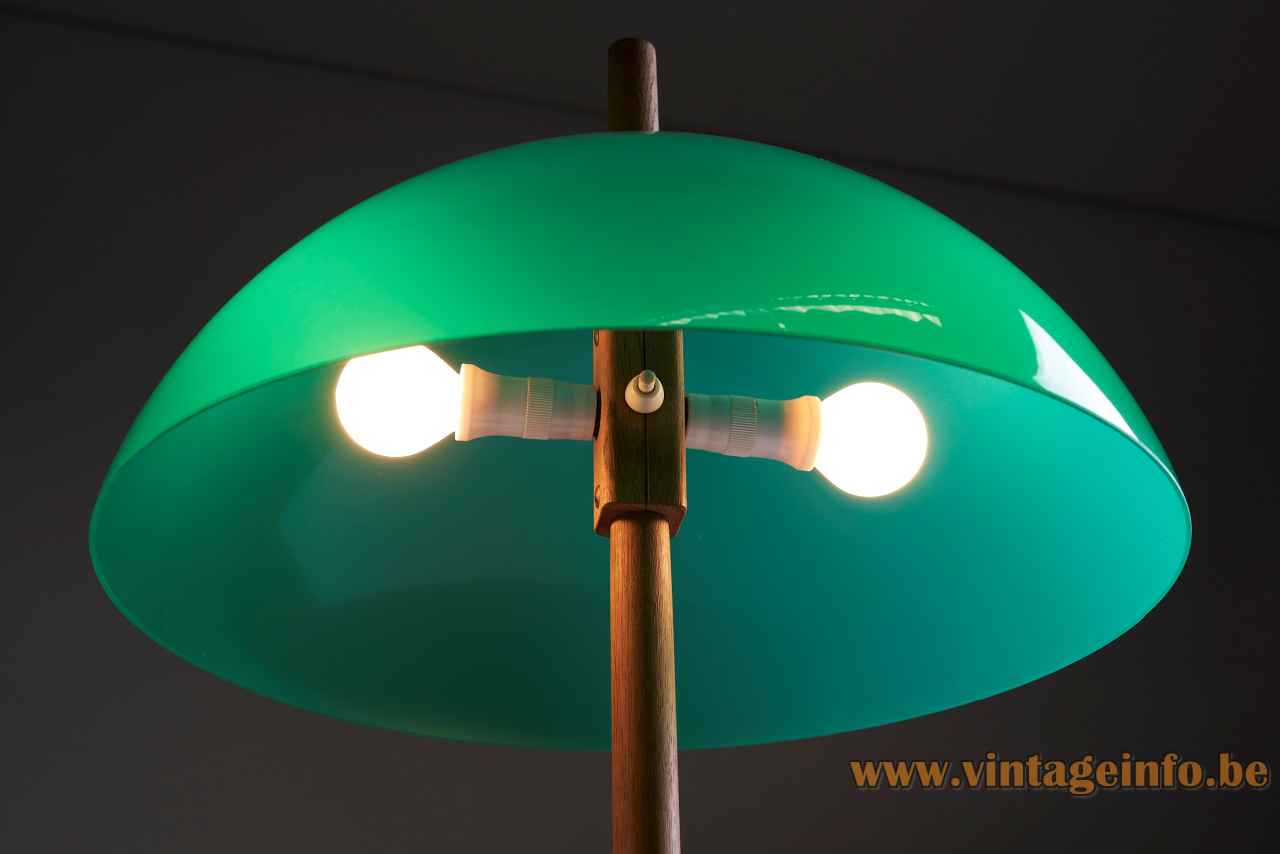
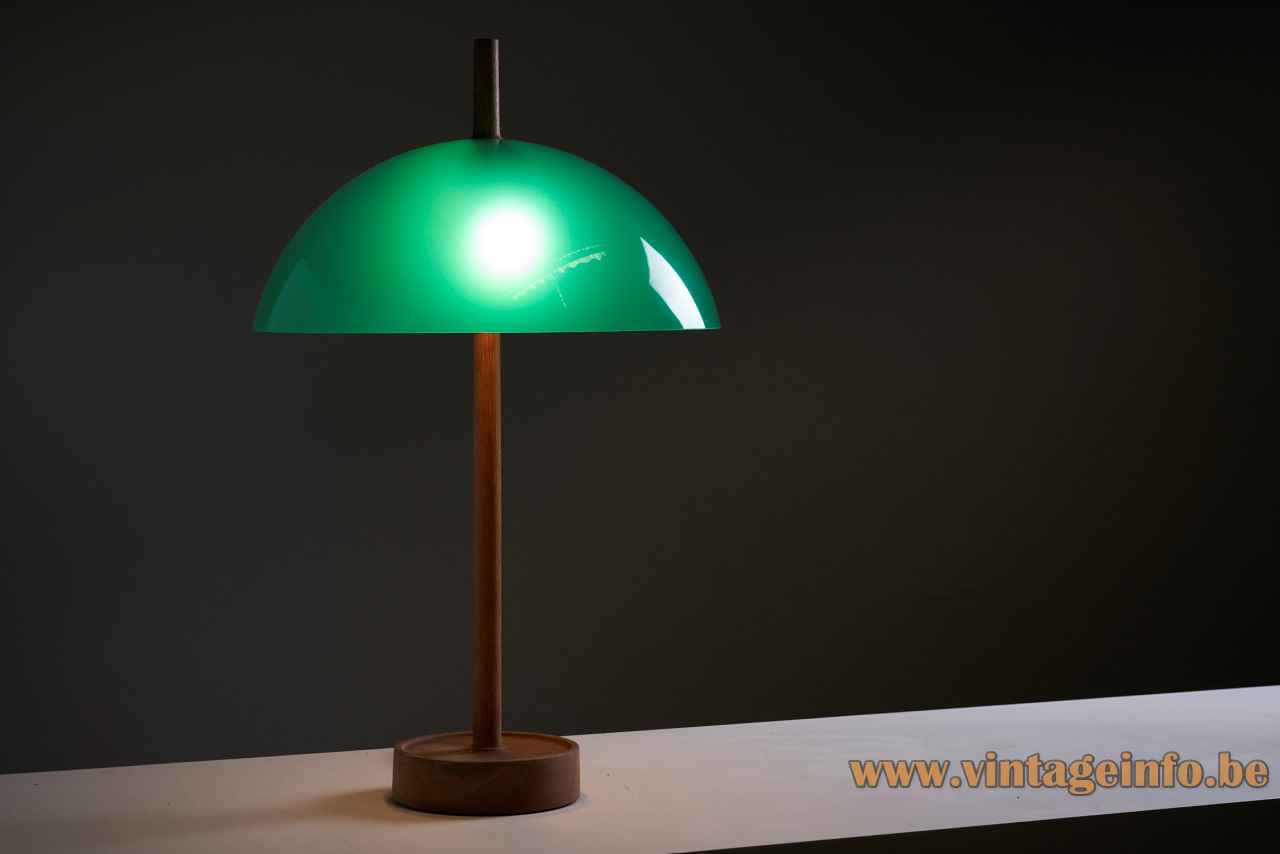
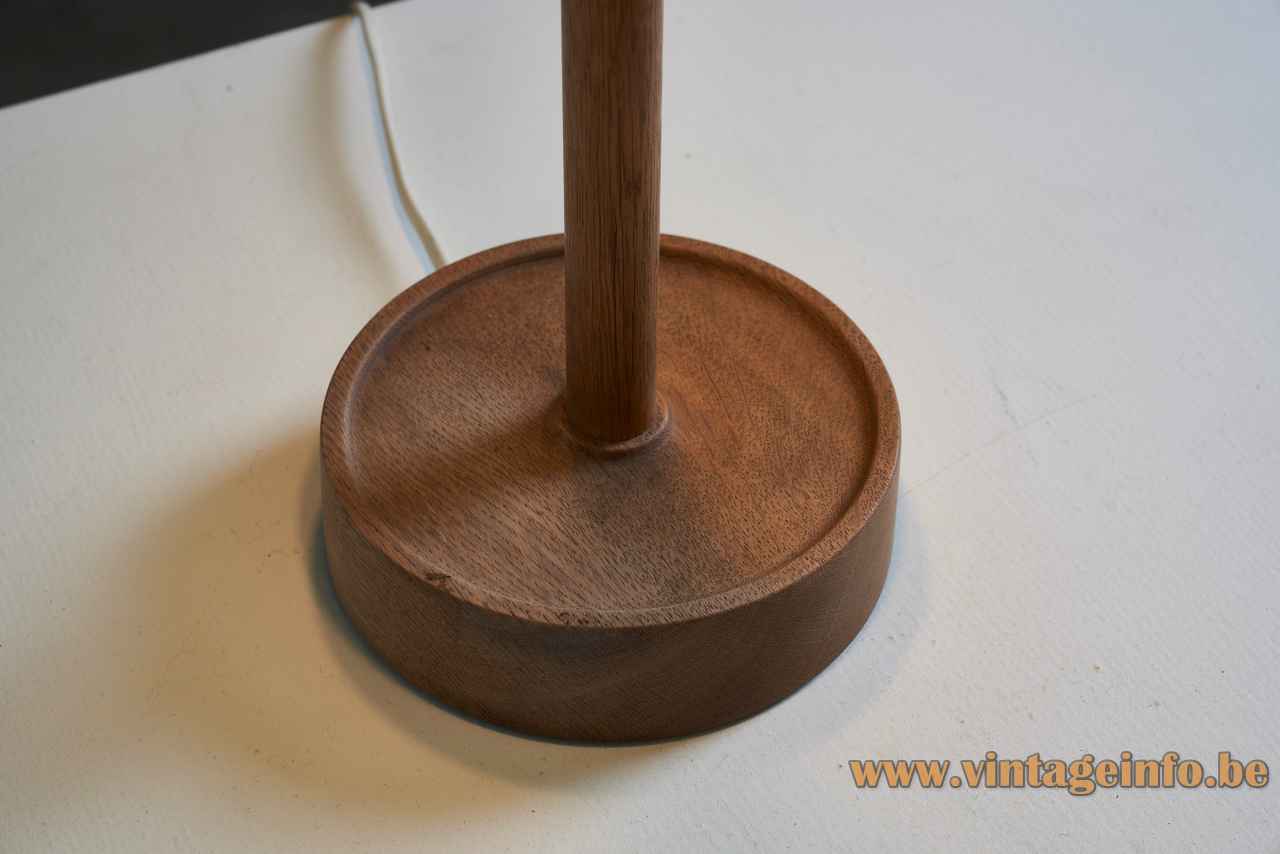
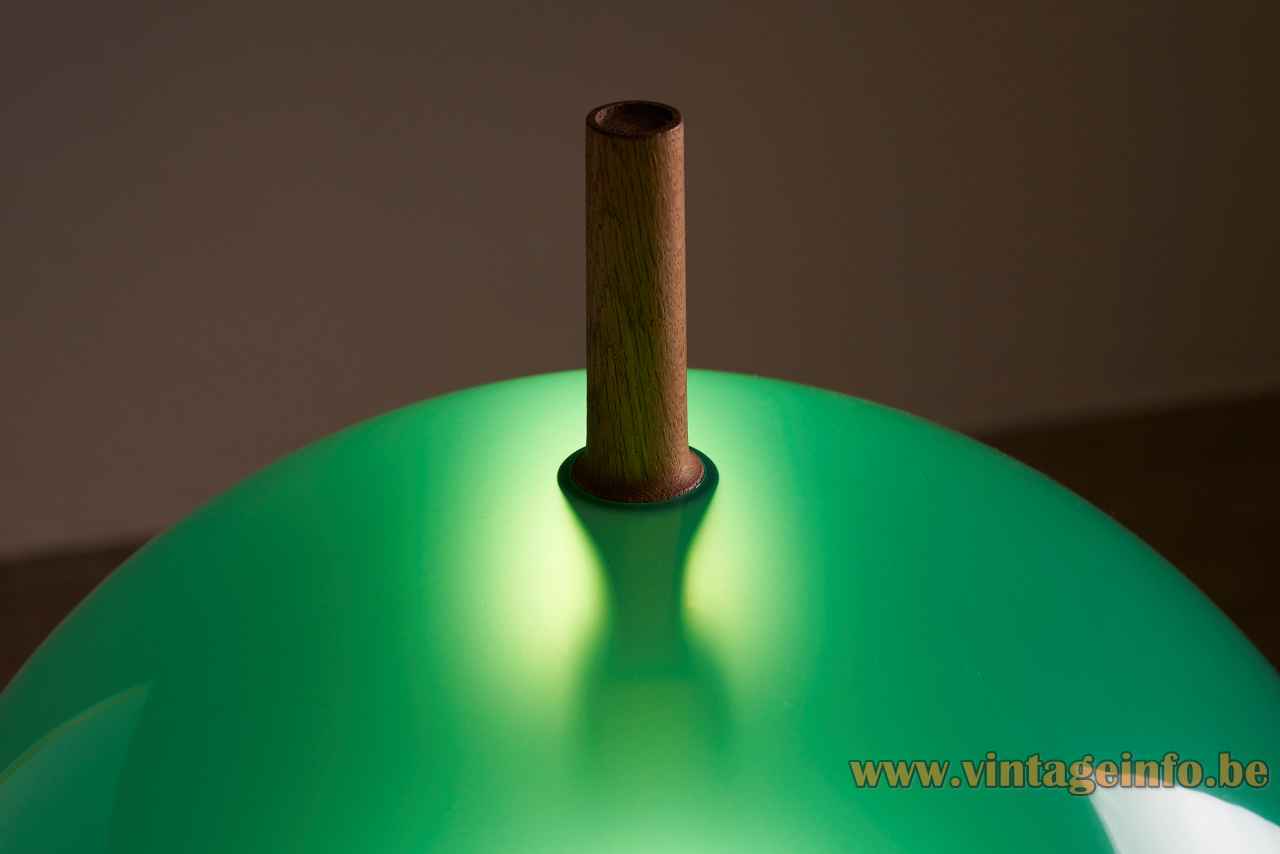
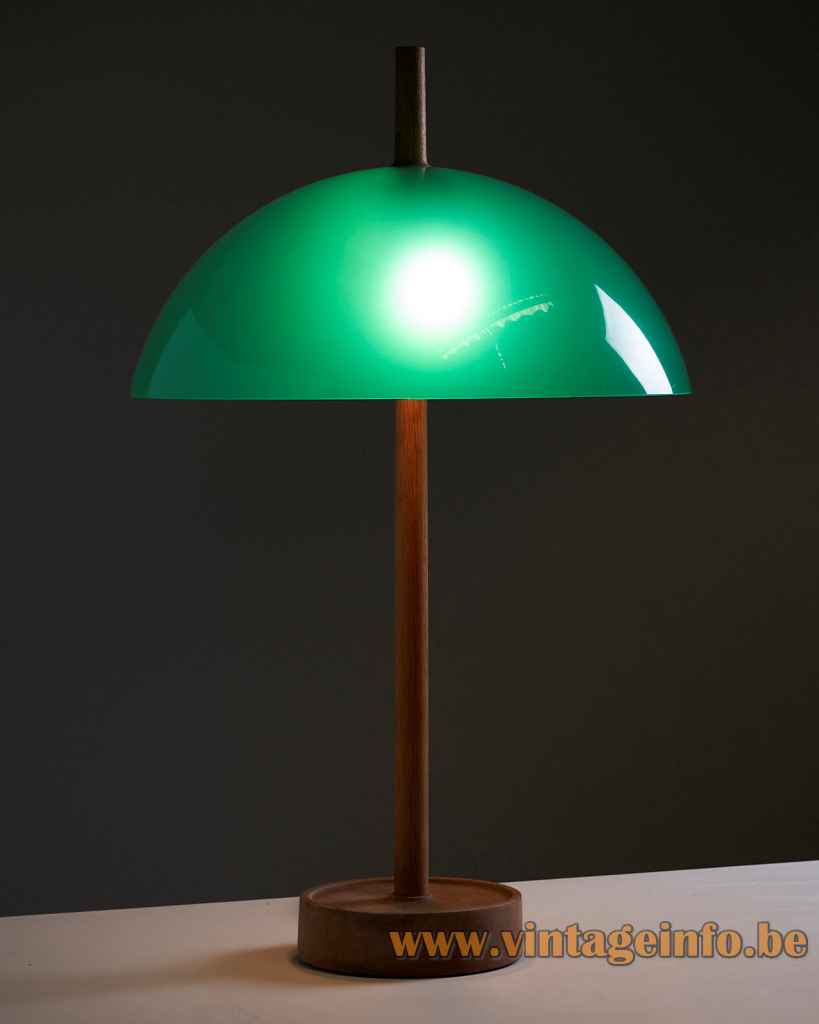
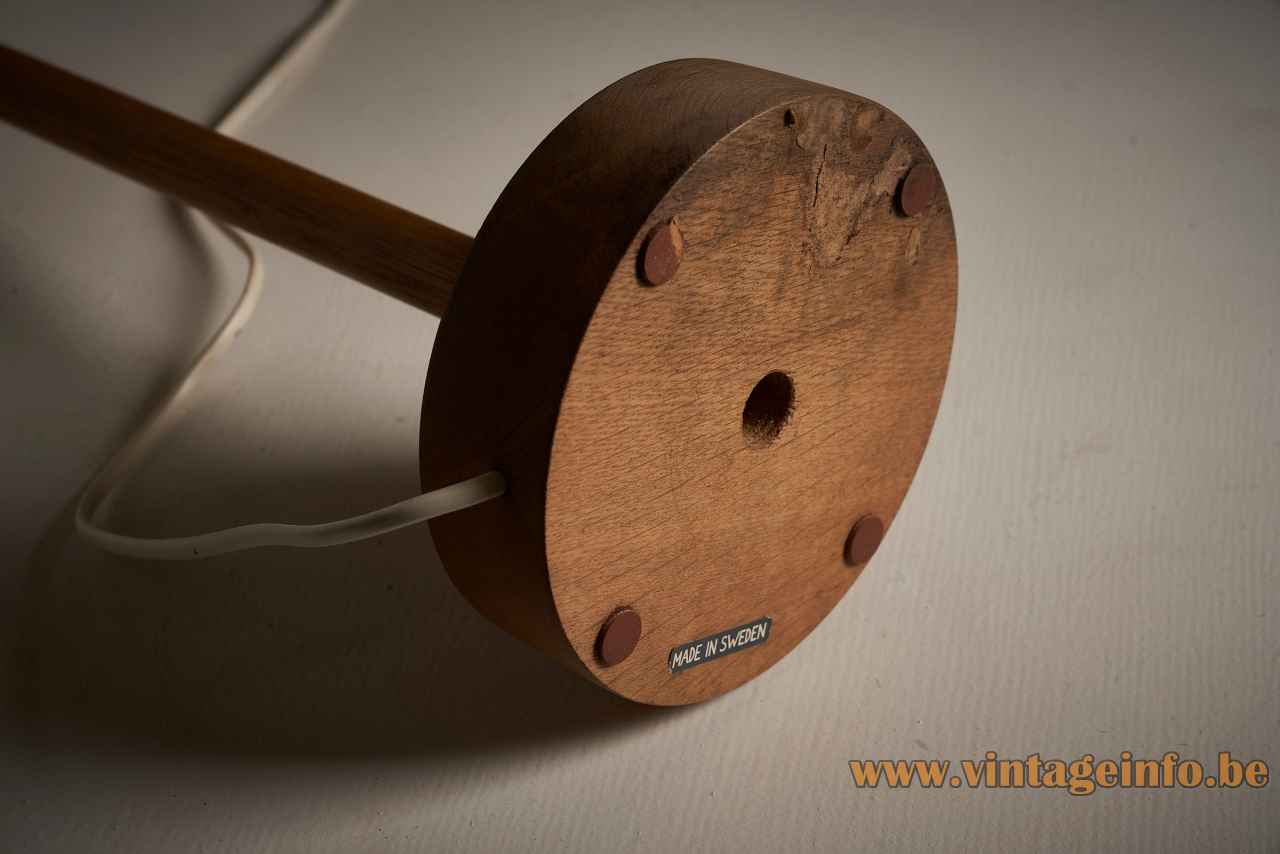
Luxus Mushroom Table Lamp – 1960s Catalogue Picture
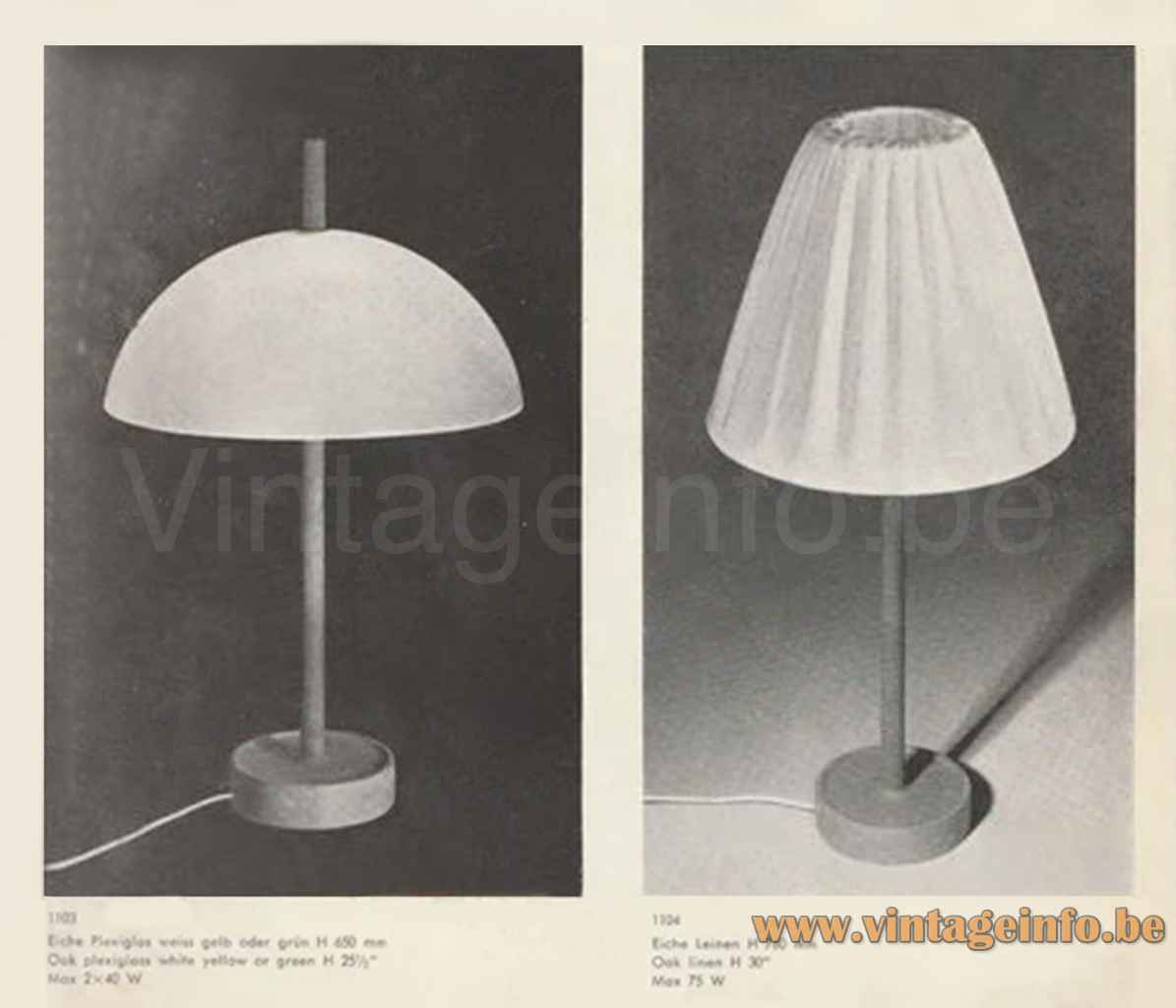
Many thanks to Max from AfterMidnight for the beautiful pictures and catalogue picture.
Luxus Mushroom Table Lamp
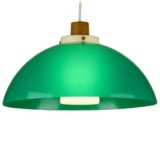
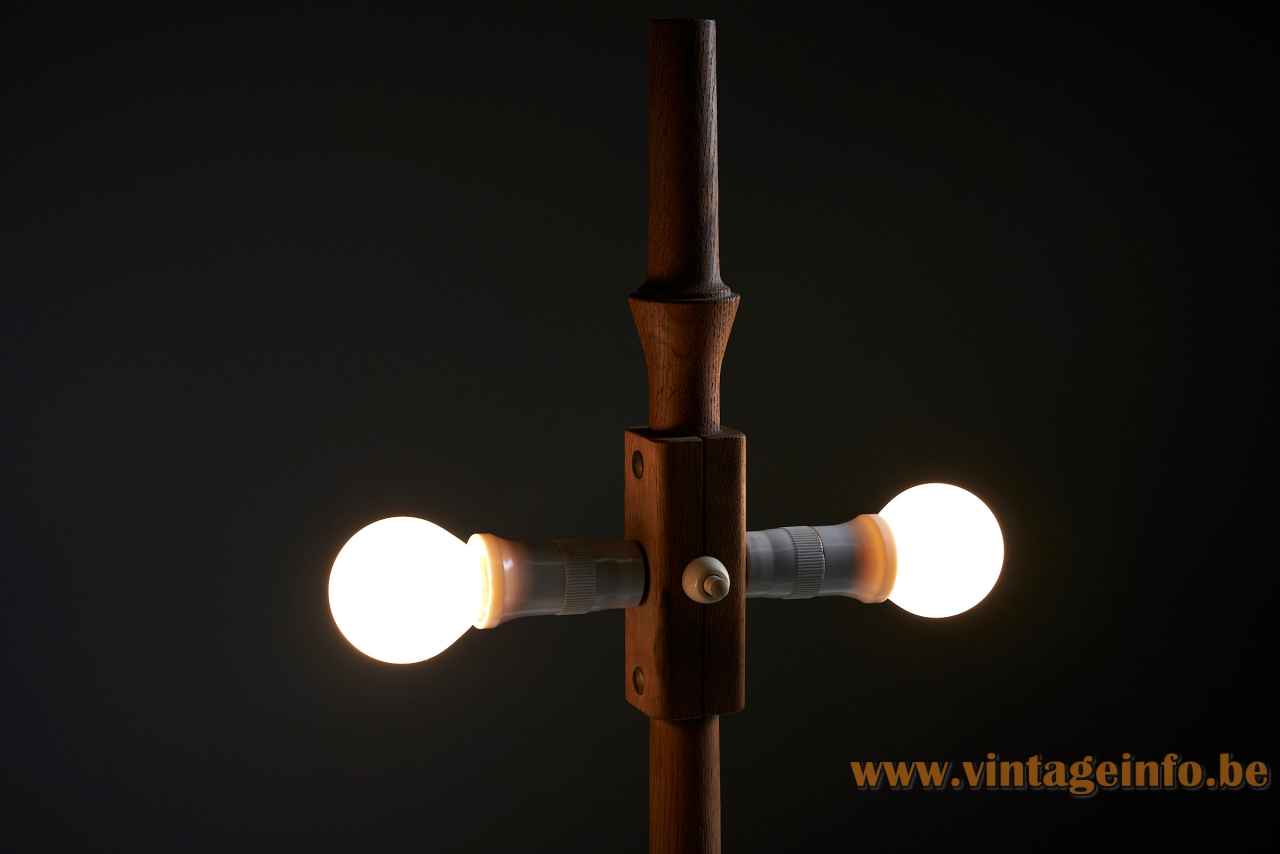
Materials: Round flat oak wood base and rod. Translucent green acrylic lampshade, round wood top. Porcelain E27 socket.
Height: 65 cm / 25.59”
Width: ∅ 40 cm / 15.74”
Electricity: 2 bulbs E27, 2 x 40 watt maximum, 110/220 volt.
Any type of light bulb can be used, not a specific one preferred.
Period: 1960s – Mid-Century Modern – Scandinavian Modern.
Designers: Uno & Östen Kristiansson.
Manufacturer: LUXUS, Vittsjö, Sweden.
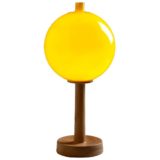
Other versions: The Luxus mushroom table lamp is model 1103. It exists in yellow, white and green, according to the catalogue picture. A pendant lamp in the same translucent green can be found over here, on Vintageinfo.
LUXUS
Luxus was founded in 1950 in Vittsjö, Sweden by Uno Kristiansson (born 1925). Together with his younger brother Östen Kristiansson (1927–2003), he developed the company into one of the more refined Scandinavian lighting and furniture producers of the mid-20th century.
The two brothers grew up in a furniture-making environment. Their father had established Vittsjö Möbelfabrik in 1929, where they learned woodworking, construction techniques and material knowledge from an early age. This technical background strongly influenced the precision and finish of later Luxus designs.
Although Luxus is primarily remembered for its lighting from the 1950s and 1960s, the company produced both furniture and lamps. The designs are rooted in Scandinavian Modern ideals: clean lines, honest materials and balanced proportions. Teak and oak were frequently combined with brass details and opaline or pleated shades, resulting in a warm and carefully controlled light output.
The original Luxus catalogues clearly show this broader production. Besides table, floor and wall lamps, various furniture pieces were included, illustrating the full scope of the company’s activities and design language. These catalogues provide valuable insight into how lighting and furniture were conceived as part of one coherent interior vision.
During the 1950s and 1960s, many designs were created by the brothers themselves. Uno and Östen Kristiansson developed a body of work that reflects architectural clarity combined with restrained detailing — characteristic of Swedish modernism of the period.
In the late 1960s Östen Kristiansson took over the family furniture business and continued under the name Östen Kristiansson AB. The company later returned to its historic name, Vittsjö Möbelfabrik AB, which still operates today. Östen passed away in 2003.
Vittsjö, a small town in southern Sweden, developed a notable manufacturing tradition despite its modest size. A considerable part of local employment was historically linked to furniture production and related industries, creating a context in which craftsmanship and industrial design naturally evolved side by side.
Links (external links open in a new window)
The website of Östen Kristiansson (ostenkristiansson.se) was online until 2016.
Vittsjö Möbelfabrik website (vittsjomobelfabrik.se) – offline since 2020.
The village of Vittsjö – Wikipedia
Official website of the Vittsjö town