- Categories
- Categories
Last 5 Viewed
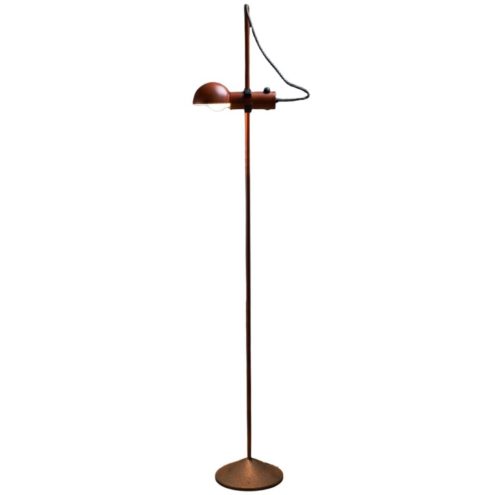
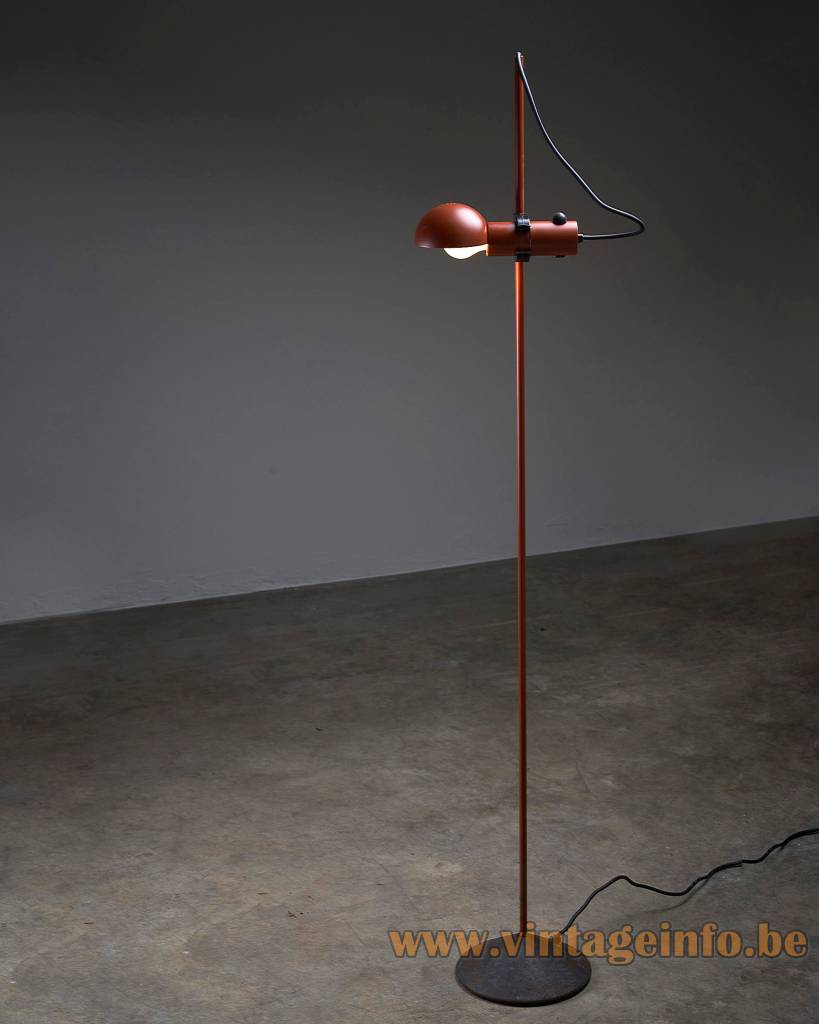
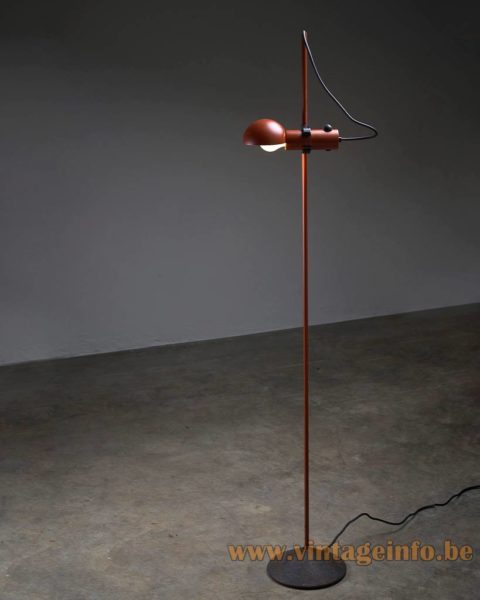
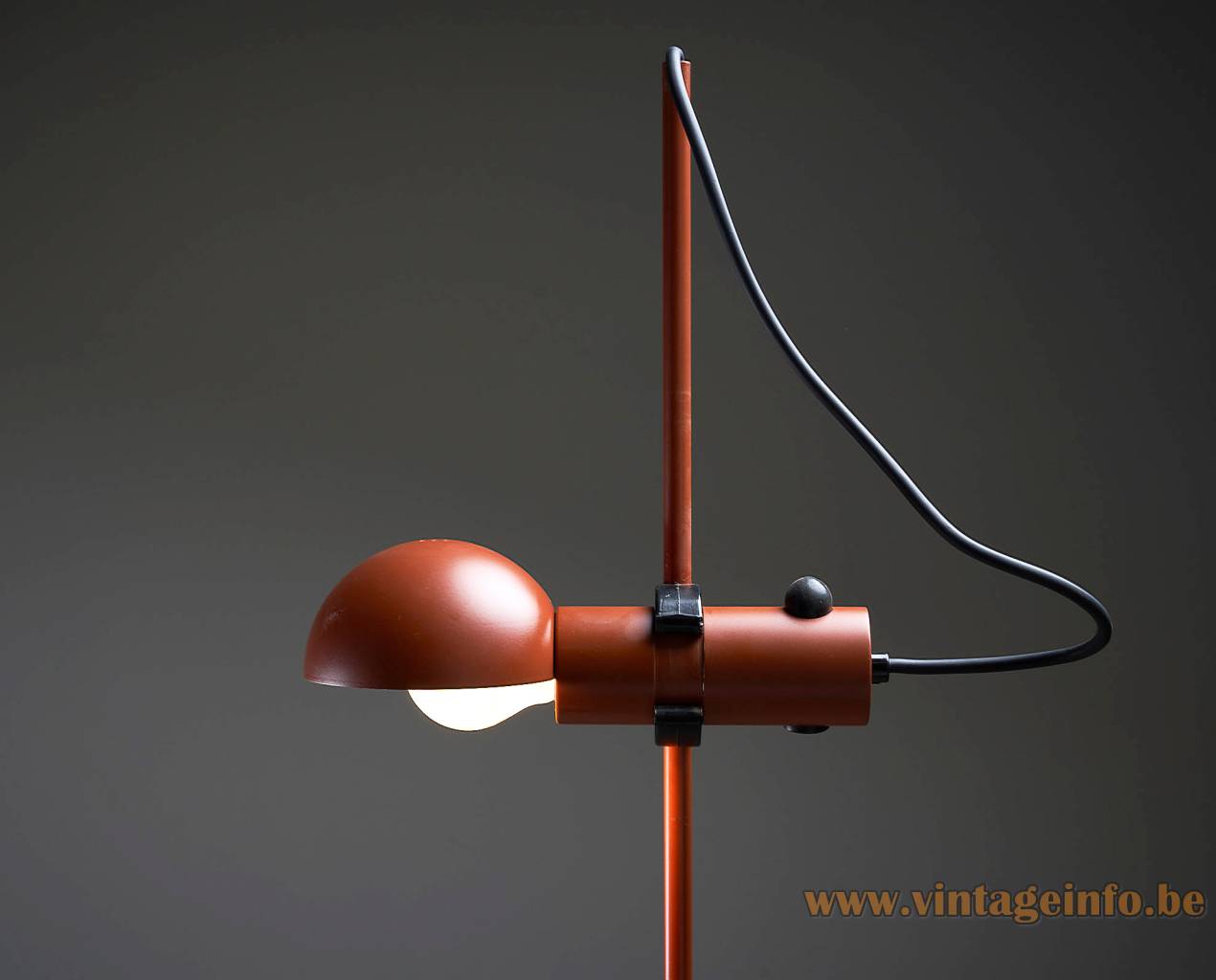
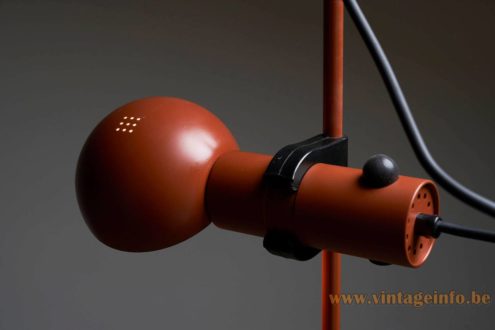
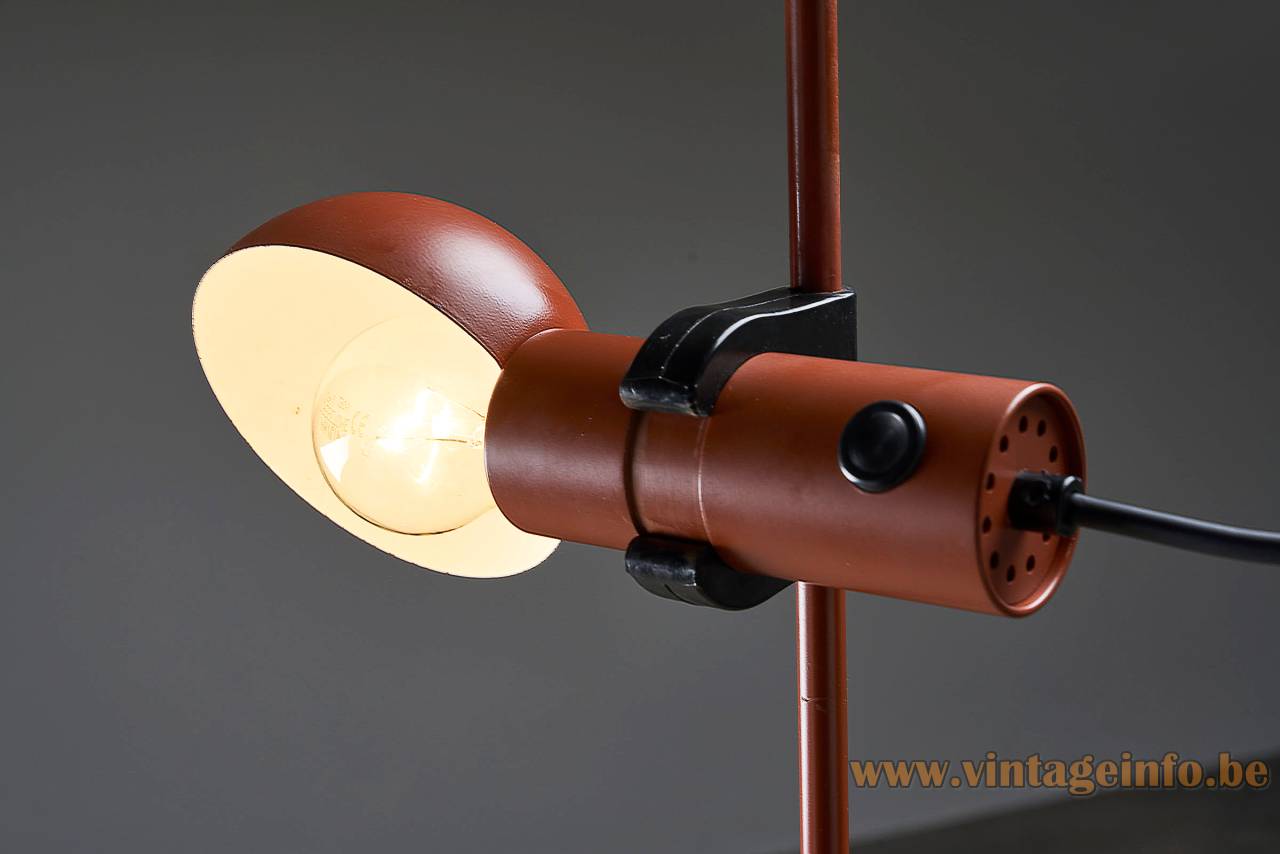
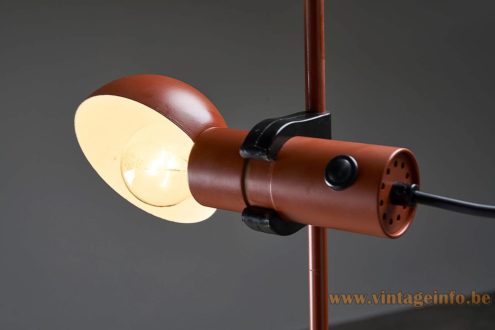
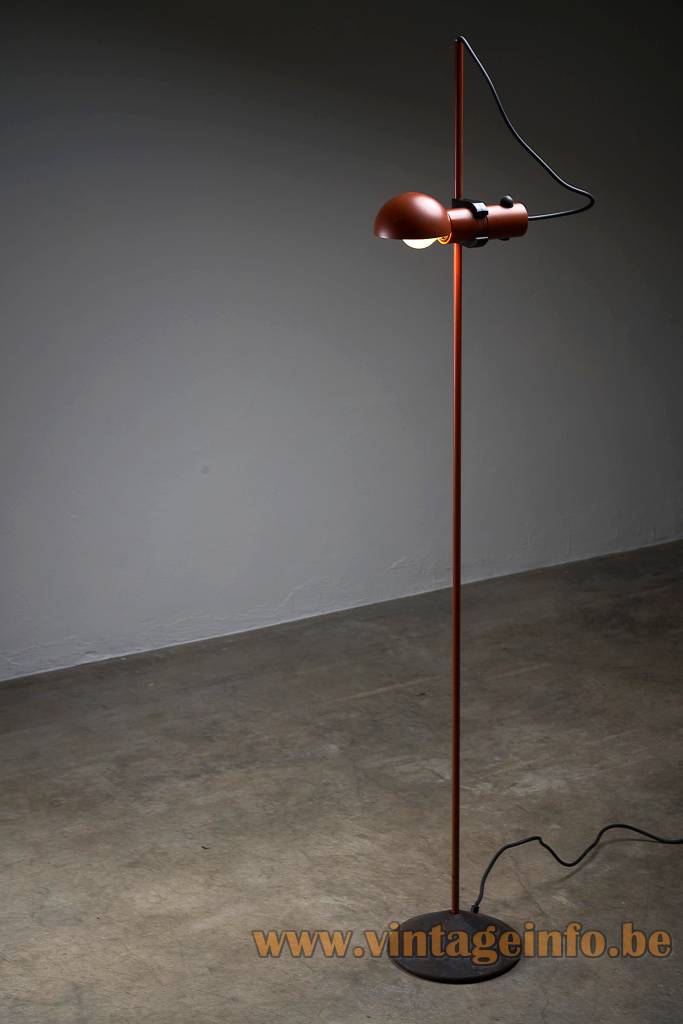
Tronconi Igru Floor Lamp – 1980s Catalogue Picture
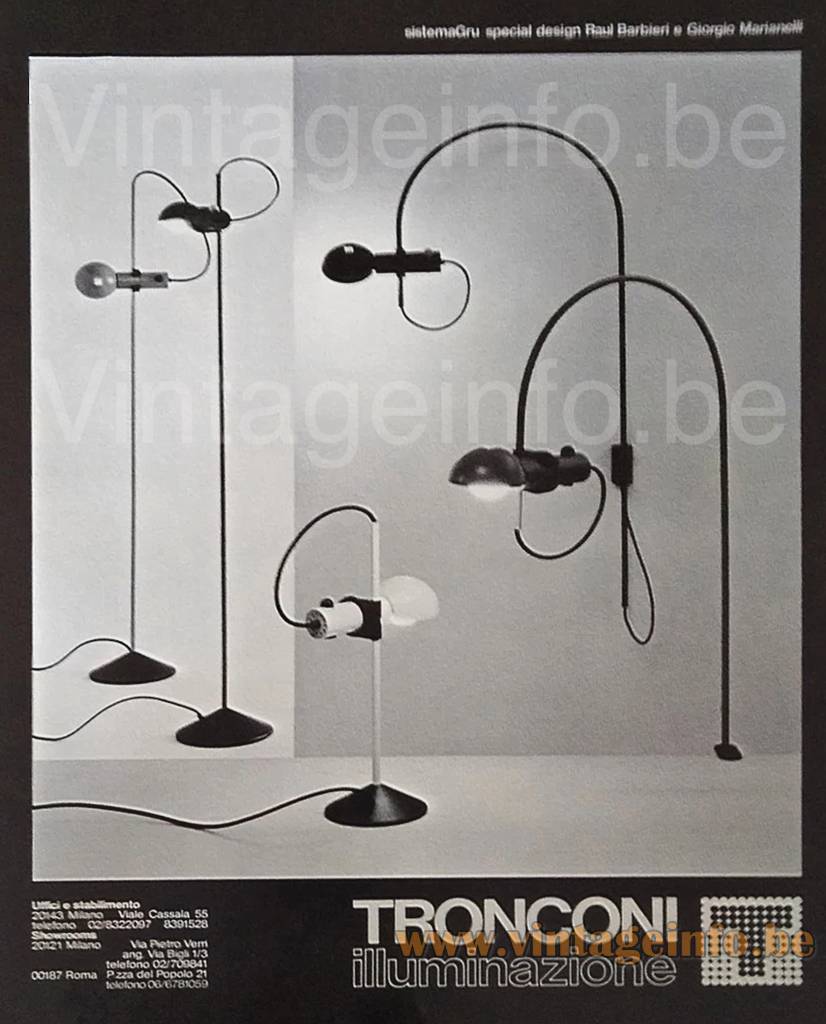
In this catalogue picture: a table lamp, an arc wall lamp and an arc clamp lamp and 2 floor lamps in different sizes.
Raul Barbieri
Raul Barbieri (born 1946, Milan) graduated in Architecture from the Politecnico di Milano in 1972. While still at university he worked with Olivetti’s industrial design department, directed by Ettore Sottsass, where he met Giorgio Marianelli. In 1974 they founded the Milan-based studio Barbieri e Marianelli Architetti, active across architecture and industrial design.
Barbieri began collaborating with the Italian design company Rexite in 1978 and over time became one of its key figures, eventually serving as the company’s art director. He has also been involved with ADI (Associazione per il Disegno Industriale) for a long period as coordinator of the Designers’ Department, and many of his projects have been awarded or selected in major international design competitions. Since 1989 he has run his own architecture studio in Milan, working on product design, corporate identity and architectural planning.
Giorgio Marianelli
Giorgio Marianelli (1939–1998) was born in Castiglioncello (Livorno, Italy) and graduated in Architecture at the Politecnico di Milano. In 1968 he moved to Milan to work at Olivetti’s industrial design department under Ettore Sottsass. There he met Raul Barbieri, with whom he founded the Milan studio Barbieri e Marianelli Architetti in 1974.
In 1990 Marianelli opened his own independent architecture and industrial design studio, which became Marianelli Design in 1995. Alongside architecture and industrial design work, he collaborated with several well-known Italian companies; sources explicitly mention Rexite, Guzzini, Tronconi, Foppa Pedretti and Zucchetti Rubinetterie. Many of his projects received important international awards.
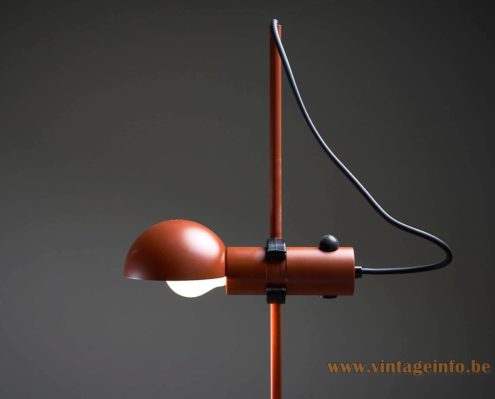
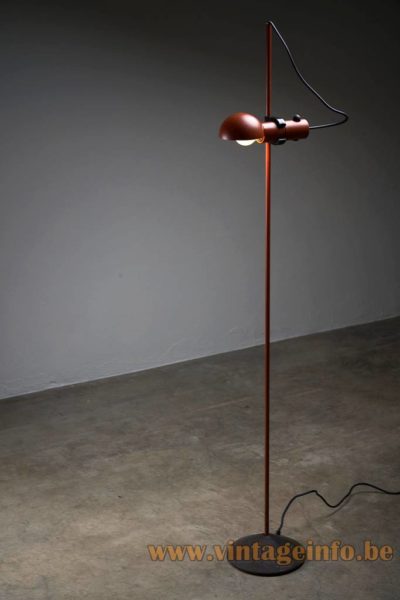
Tronconi Igru Floor Lamp
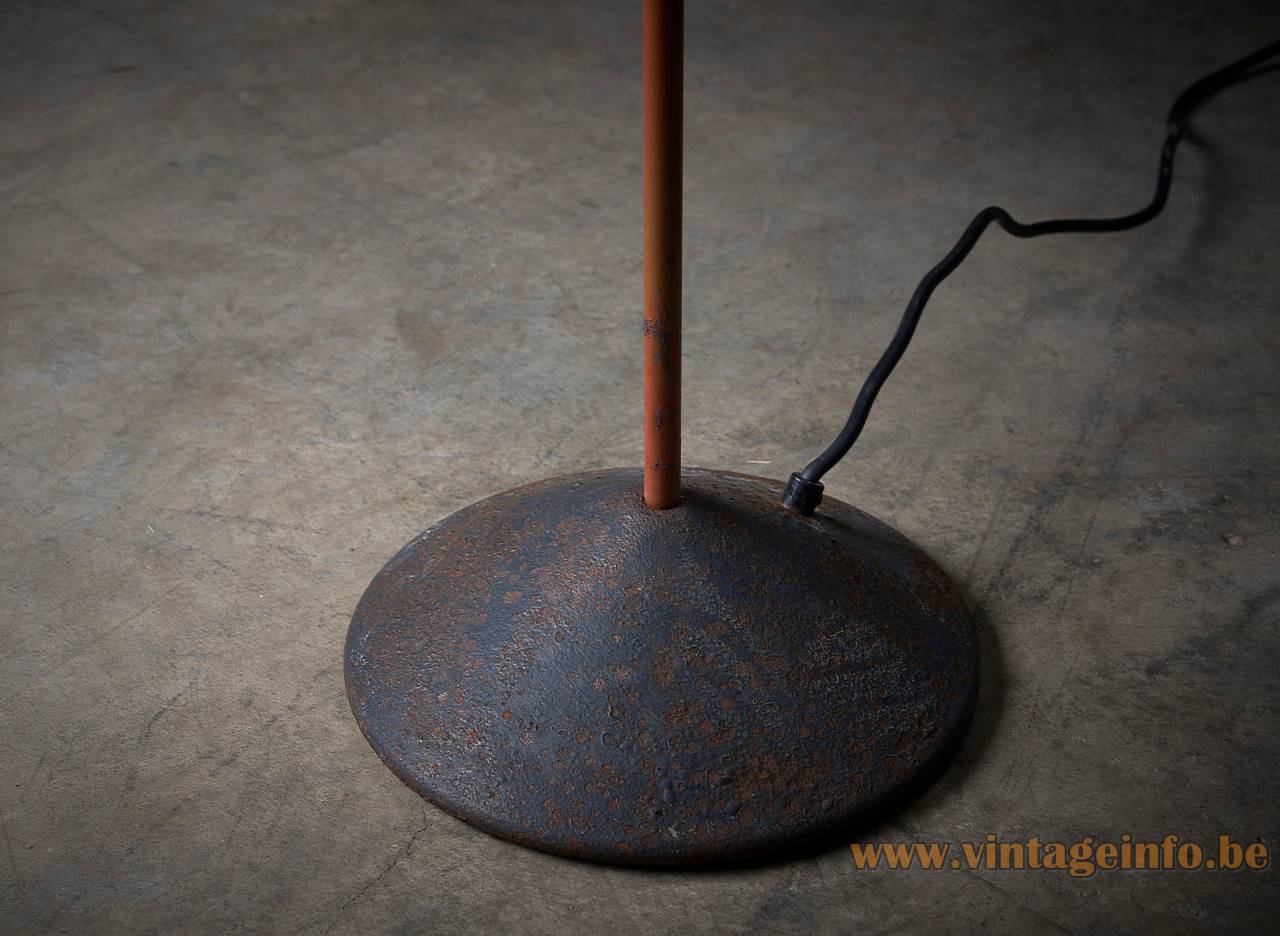
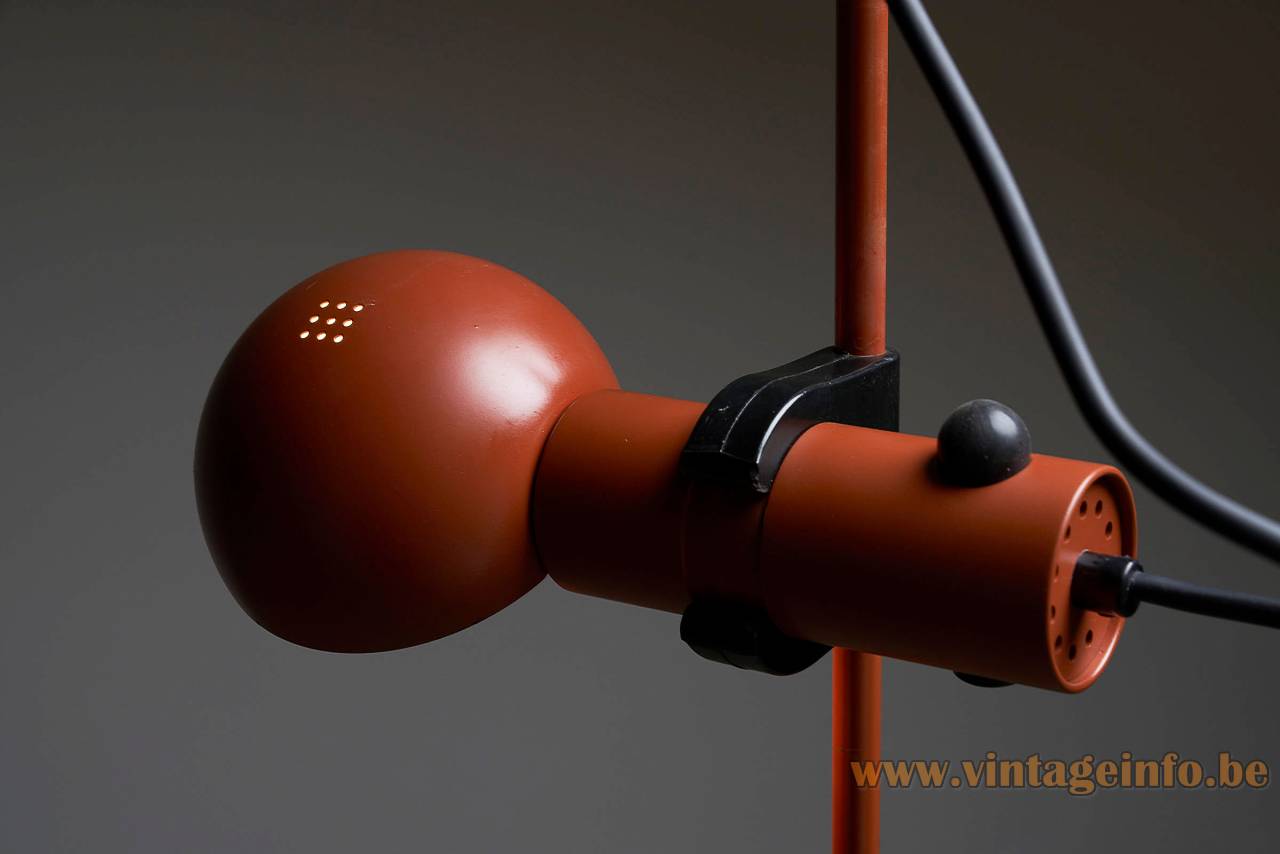
Materials: Black painted conical cast iron base. Thin maroon painted metal rod. Maroon painted half globe lampshade. Some metal and black plastic parts. Bakelite E27 socket.
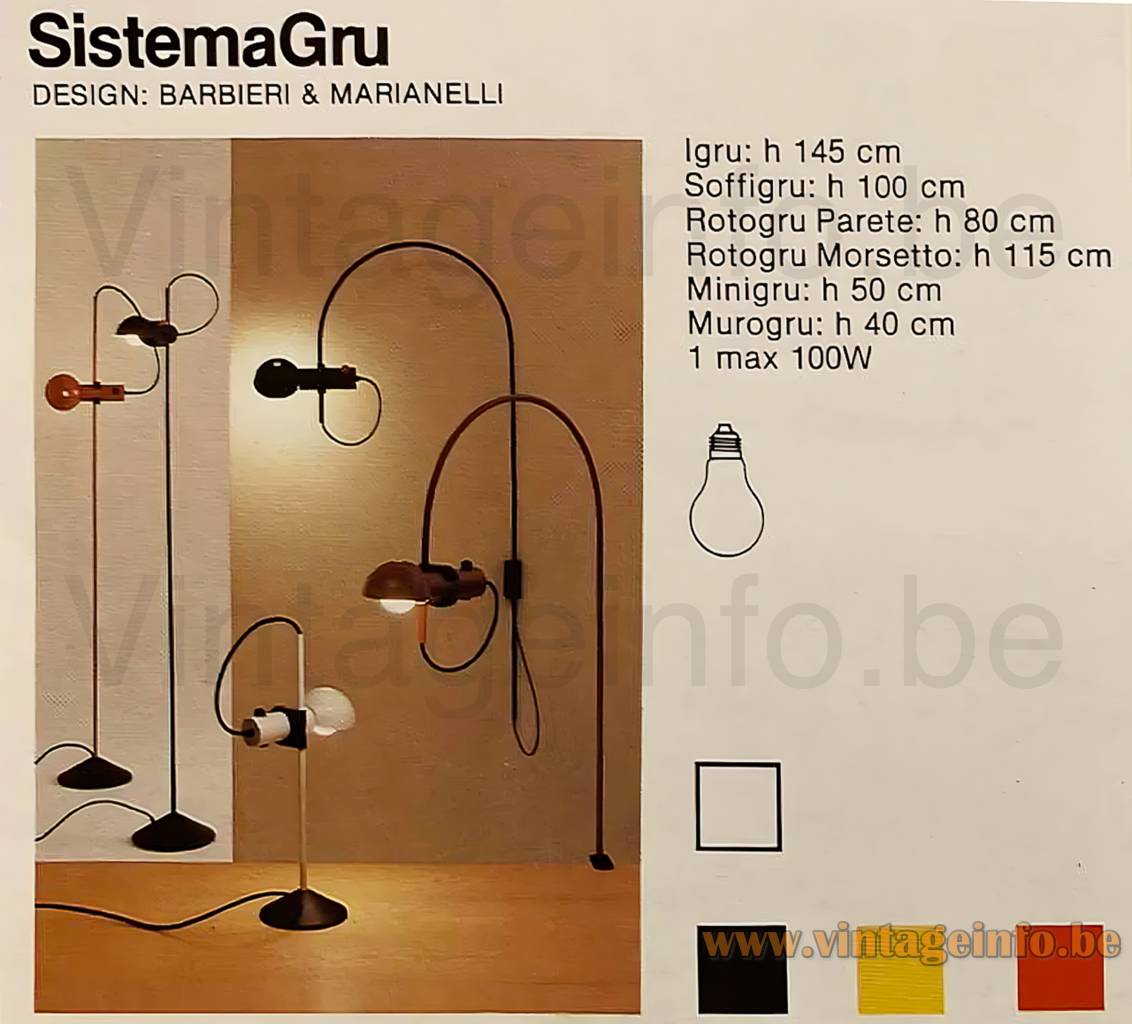
Height: 145 cm / 57.08”
Width: 24 cm / 9.44”
Lampshade: ∅ 11 cm / 4.33”
Electricity: 1 bulb E27, 1 x 100 watt maximum, 110/220 volt.
Any type of light bulb can be used, not a specific one preferred.
Period: 1980s.
Designers: Raul Barbieri & Giorgio Marianelli.
Manufacturer: Tronconi s.r.l. via Bernini 5/7, 20094 Corsico, Milano, Italy.
Other versions: The Tronconi Igru floor lamp was made in several colours. Several other models were made in this lamp series.
Tronconi
Tronconi was founded in 1956 by Enrico Tronconi in Milan with its first headquarters at via Bernini 5/7, Corsico. Later the company moved to Via XX Settembre 154, Conegliano (TV).. Initially producing lamps in a more traditional style, Tronconi quickly embraced the new design impulses of the 1970s. The brand became known for its experimental approach, balancing technological innovation with strong aesthetics.
During the 1970s and 1980s Tronconi introduced some of its most famous creations. Tronconi designed Bambu’ floor lamp (1971), followed by the Il Personaggi lamp series (1972) by Federico Rezzonico and Lorenzo Carmellini. Silvio Coppola created the sculptural Mezzaluna Don table lamp (1974), while Cini Boeri designed the iconic Abat-Jour lamp series (1975). In the same year Ettore Arcelli and Cesare Pattarino presented the Bull floor and table lamp, and Giotto Stoppino followed with the Drop table lamp and floor lamp (1976). In the 1980s, Romolo Lanciani designed the Tender table and floor lamps (1980), Raul Barbieri created the Bulbone table lamp (1983), and later returned with the Suite table and floor lamp (1998). These lamps became symbols of Italian modern lighting design.
Over the years, Tronconi collaborated with many important Italian and international designers, keeping the catalog dynamic and innovative. In 2006 the historic brand was acquired by Kundalini, a Milan-based company founded in 1996 and specialized in contemporary lighting. Kundalini continued developing products in the style and spirit of Tronconi, securing its legacy within Italian design history.
Bambu’ – Bamboo
An attribution that often appears is that Enrico Tronconi designed the Bambu’ floor lamp for Vistosi. I have found no evidence to support this claim. On the contrary, the Bambu’ floor lamp appears in a Tronconi catalogue from the 1970s without a designer’s name, and it does not appear in any Vistosi catalogue. At best, Vistosi may have produced the glass components, but there is no documentation to confirm this. In that same Tronconi catalogue, all lamps with external designers are credited by name, while those developed by the internal design team are left unsigned. The Bambu’ (often spelled “Bamboo”) clearly falls into the latter category.
Designers
Giotto Stoppino, Bruno Gecchelin, Lorenzo Carmellini, Ettore Arcelli, Cesare Pattarino, Arik Levy, Silvio Coppola, Christophe Pillet, Cini Boeri, Raul Barbieri, Gabriella Montaguti, Giovanni Crosera, Giorgio Marianelli, Jean-Marie Massaud, Marco Sousa Santos, Mario Mazzer, Michael Sodeau, Palomba Serafini, Patricia Urquiola, Patrick Norguet, Romolo Lanciani, Theo Williams, and Tom Dixon.
Tronconi Igru Floor Lamp – 1980s Catalogue Picture
Within Tronconi’s Gru system (from the Italian word for “crane”), several variants were marketed under names that incorporate “Gru”. Documented examples include Soffigru, Minigru, Murogru, and the Rotogru versions such as Rotogru Parete and Rotogru Morsetto, as well as floor-lamp versions like the Igru. Because Tronconi issued multiple catalogues over the years, additional “Gru” variants may exist beyond the models listed here.
Tronconi Igru Floor Lamp – 1980s Catalogue Picture
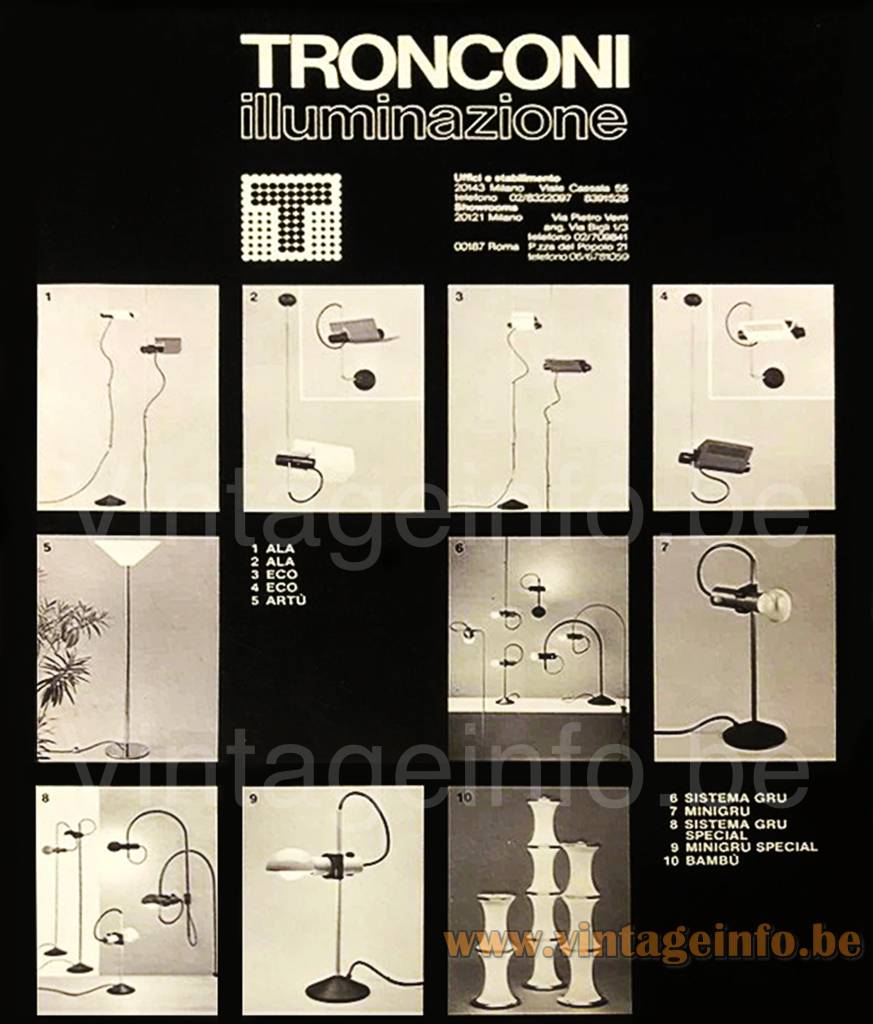
This Tronconi catalogue page documents several variants of the Gru lighting system. In addition to the standard models such as Sistema Gru and Minigru, the catalogue also illustrates two versions explicitly labelled as “Special”: Sistema Gru Special and Minigru Special. The “Special” designation most likely refers to alternative configurations or finishes within the Gru system, rather than to entirely new models.
No designers are credited on this catalogue page.
Many thanks to Max from AfterMidnight for all the pictures.
Tronconi Igru Floor Lamp – Company Labels & Logos